Categories














/content/learnings/assets/header/ManagementConsulting.svg)
/content/learnings/assets/header/InvestmentBanking.svg)



























In the fast-paced world of digital marketing, it's hard to predict what the next big thing will be. Yet, in 2026, it seems clear that the industry will experience several pivotal shifts, driven by technological innovations, consumer behavior changes, and business transformations. Imagine a world where your marketing campaigns are personalized not just on a large scale but individually—where AI-driven tools craft content that speaks directly to the heart of each consumer. It's not far from reality; in fact, it’s just around the corner.
Exploring a career in Digital Marketing? Apply Now!
As digital marketing continues to evolve, it becomes crucial for marketers and businesses to stay ahead of the curve. This blog will explore the upcoming trends, tools, and strategies shaping digital marketing in 2026. Whether you’re a digital marketing expert or just starting out, understanding these shifts will prepare you for a future where marketing is more data-driven, customer-centric, and integrated than ever before.
Key Trends in Digital Marketing for 2026
1. AI-Driven Personalization
Personalization has been a buzzword for years, but by 2026, it will reach new heights thanks to artificial intelligence (AI). Imagine AI that doesn’t just segment customers based on demographics but uses real-time data to adjust messaging and recommendations based on user behavior, preferences, and even emotions. This level of personalization will lead to more meaningful consumer interactions, enhancing customer satisfaction and loyalty.
For businesses, this trend presents an exciting opportunity to connect with customers on a deeper level, but it will also require substantial investments in data analytics and AI technology. Those who successfully harness AI for personalization will have a significant competitive edge.
2. Voice Search Optimization
By 2026, voice search will have further cemented itself as a key method for consumers to interact with search engines and digital assistants. As devices like smart speakers and voice assistants become more integrated into daily life, businesses will need to adapt their SEO strategies to optimize for voice search queries. This means focusing on natural language processing, long-tail keywords, and conversational content to ensure your brand is visible in voice searches.
3. Augmented Reality (AR) and Virtual Reality (VR)
AR and VR will continue to grow as essential tools in digital marketing. These immersive technologies offer businesses the opportunity to create unique experiences for their customers. For example, e-commerce businesses could offer virtual try-ons for clothing or furniture, while travel companies could create virtual tours of destinations.
AR and VR are no longer just "cool" technologies—they’re becoming practical tools that offer tangible benefits for customer engagement and conversion rates. Brands that successfully implement these technologies into their marketing strategies will be able to stand out in an increasingly crowded market.
4. Video Marketing Dominance
Video marketing has been on the rise for years, but in 2026, it will become even more dominant. Short-form video content, live streaming, and interactive videos will become the go-to mediums for brands to engage with consumers. Platforms like TikTok and Instagram will continue to thrive, and even traditional platforms like YouTube will adapt to keep up with the demand for bite-sized, engaging content.
Video marketing will evolve beyond just creating brand awareness—it will become central to driving conversions. Interactive features such as "shoppable" videos will make it easier for consumers to purchase products directly from videos, making this format not only engaging but highly effective for driving sales.
5. Data Privacy and Consumer Trust
As data privacy concerns continue to grow, consumers are becoming more selective about how their personal data is used. By 2026, businesses will need to be transparent about data usage, ensure compliance with data protection regulations, and gain consumer trust by offering clear privacy policies and secure data handling practices.
The challenge for digital marketers will be finding ways to deliver personalized content while maintaining respect for consumer privacy. Those who manage this balance effectively will earn loyalty and trust, setting themselves apart from competitors.
Tools to Leverage in Digital Marketing by 2026
1. AI-Powered Content Creation Tools
AI-powered tools will be essential for creating personalized, scalable content in 2026. These tools will be able to analyze data, generate text, and even optimize content for SEO. Whether you’re creating blog posts, social media content, or emails, AI will help marketers save time and improve the relevancy of their content.
2. Marketing Automation Platforms
Automation will continue to be a driving force behind successful digital marketing strategies. Platforms like HubSpot, Marketo, and Salesforce will allow marketers to automate email campaigns, social media posts, and even ad targeting. With AI integrations, automation tools will become smarter, delivering more personalized messages and offers at the perfect time for each customer.
3. Advanced Analytics Tools
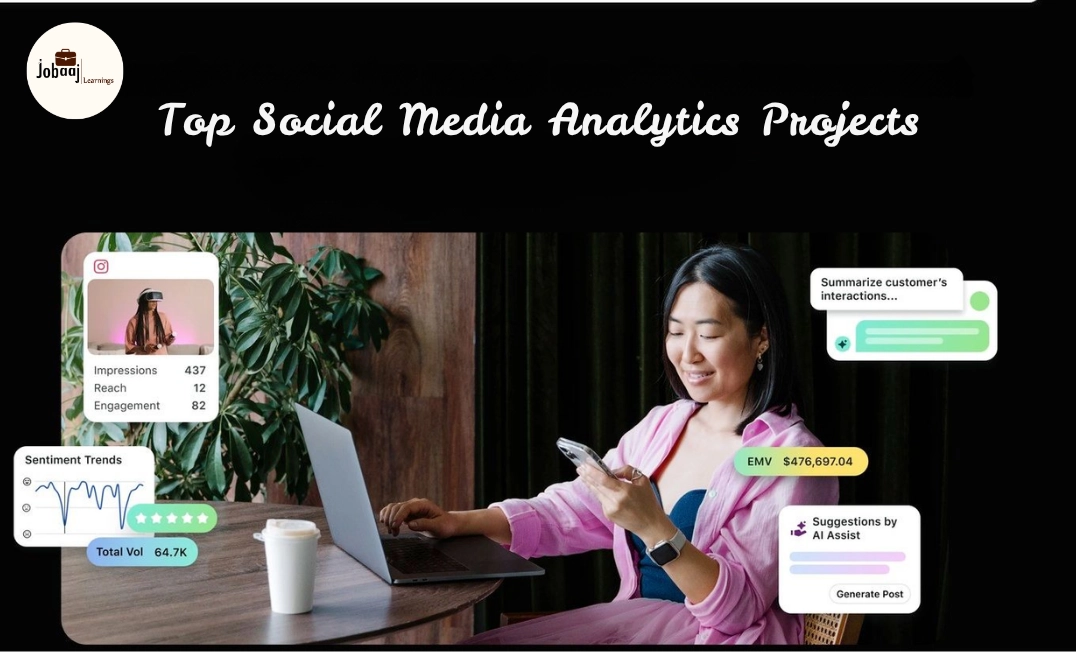
As the amount of data continues to grow, marketers will rely on advanced analytics tools to make sense of it all. Platforms like Google Analytics 4, along with emerging tools powered by AI, will provide deeper insights into customer behavior, helping marketers optimize their campaigns and make data-driven decisions.
Strategies to Succeed in Digital Marketing by 2026
1. Embrace Omnichannel Marketing
As consumers interact with brands across multiple devices and platforms, omnichannel marketing will become essential. In 2026, brands that deliver a seamless and consistent experience across all channels—whether it’s a website, mobile app, or in-store experience—will be the most successful. Omnichannel marketing helps businesses meet customers wherever they are and provides a unified, personalized experience.
2. Focus on Sustainability and Social Responsibility
Consumers are increasingly looking to support brands that align with their values, especially when it comes to sustainability and social responsibility. In 2026, digital marketers will need to ensure their brands are transparent and vocal about their environmental impact, diversity, and charitable initiatives. Authenticity will be key in building a strong, loyal customer base.
3. Experiment with Interactive and Immersive Content
By 2026 content will not only be consumed but experienced. Interactive content, such as quizzes, polls, and gamified experiences, will encourage higher levels of engagement. Similarly, immersive content, such as AR/VR, will provide unique experiences that keep customers coming back.
Conclusion: A Future of Endless Possibilities
The digital marketing landscape in 2026 will be defined by rapid technological advancements and evolving consumer expectations. AI, voice search, video marketing, AR/VR, and a greater focus on data privacy are just a few of the major shifts on the horizon. Marketers who embrace these changes, experiment with new tools, and adopt customer-centric strategies will be best positioned for success.
In conclusion, the future of digital marketing is bright but requires constant adaptation. Marketers need to stay ahead of trends, be flexible in their approaches, and always put the customer at the center of their strategy.
Dreaming of a Digital Marketing Career? Start with Digital Marketing Certificate with Jobaaj Learnings.
Frequently asked questions
What are the top digital marketing trends for 2026?
Some of the key trends include AI-driven personalization, voice search optimization, AR/VR integration, and increased focus on data privacy and customer trust.
How can I use AI in my digital marketing strategy?
AI can be used to personalize customer experiences, automate marketing tasks, analyze data, and even generate content that resonates with your audience.
What role does video marketing play in 2026?
Video marketing will dominate in 2026, with short-form videos, live streaming, and interactive videos becoming essential for engaging audiences and driving conversions.
How important is data privacy in digital marketing by 2026?
Data privacy will be a top priority as consumers become more concerned about how their personal data is used. Brands will need to build trust by offering transparent privacy policies and secure data handling practices.
What is omnichannel marketing, and why is it important?
Omnichannel marketing provides a seamless and consistent customer experience across all platforms, whether it's online or offline. It ensures that customers can interact with your brand on any channel and receive personalized, relevant messages.
What tools should I use for digital marketing in 2026?
Some essential tools include AI-powered content creation platforms, marketing automation tools, analytics platforms like Google Analytics 4, and immersive content tools like AR/VR for customer engagement.

Join 5,00,000+ Subscribers
Be a part of our ever growing community.