Categories









































Ever wonder how some companies explode onto the scene, seemingly overnight? It's often the magic of an Initial Public Offering, or IPO. Think of it as a company's grand debut on the stock market.
Let's unpack some recent, attention-grabbing IPOs and see what they teach us about the market, investing, and the ever-evolving world of business.
Riding the IPO Wave
IPOs can feel like catching a tidal wave. Sometimes, everyone wants in, driving up the price. Remember the buzz around companies like DoorDash or Airbnb? Their IPOs were huge events.
These companies tapped into existing trends – food delivery booming during lockdowns and the rise of experience-based travel. Their initial success shows how a company's story, tied to larger cultural shifts, can ignite investor interest.
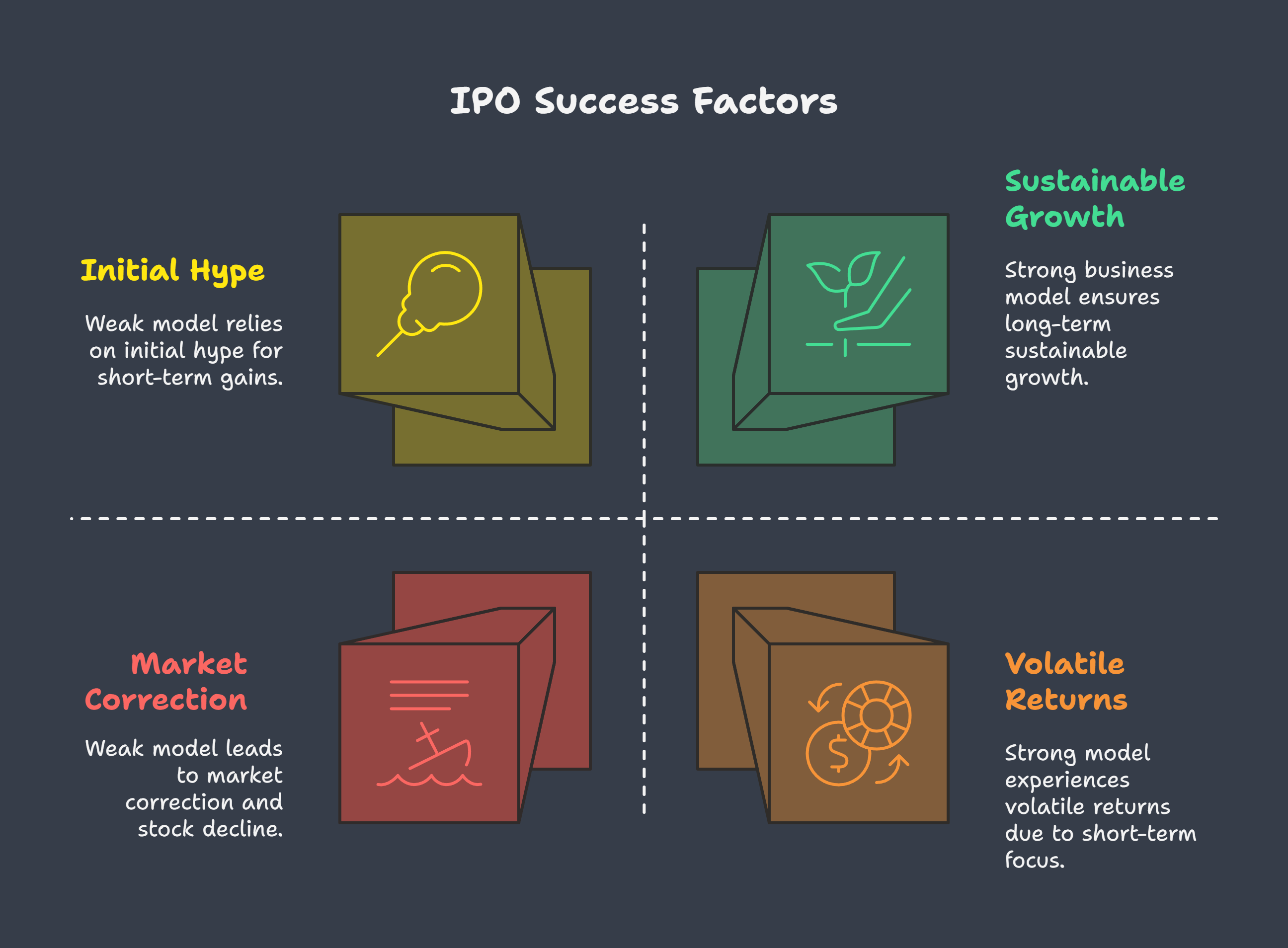
But, like any wave, the initial surge can recede. It's crucial to understand the company's fundamentals – what they actually do and how they make money – beyond the hype.
Lessons Learned: Beyond the Hype
Not every IPO is a runaway success story. We've also seen some high-profile flops. Some companies stumble after their IPO, their stock prices plummeting.
This underscores the importance of due diligence. Don't just get swept up in the excitement. Research the company's financials, their competition, and their long-term plans. Look beyond the glossy brochures and dig into the nitty-gritty details.
One key lesson is the importance of a solid business model. A compelling narrative is great, but it needs to be backed by a sustainable way to generate profits. Investors are ultimately looking for returns, not just a good story.
Another lesson is patience. The initial frenzy around an IPO can create volatility. Don't panic sell if the price dips, and don't chase a stock that's skyrocketing. Smart investing is about the long game.
The Future of IPOs: What to Watch
The IPO landscape is constantly changing. New regulations, market conditions, and even technological advancements can impact how companies go public.
Keep an eye on emerging trends like direct listings, which offer an alternative route to the traditional IPO. Companies like Spotify and Slack went this route. They bypass some of the complexities and costs of a traditional IPO.
Also, pay attention to the industries attracting investor interest. Are there specific sectors experiencing rapid growth or disruption? These areas are often fertile ground for new IPOs. Think about the rise of electric vehicle companies or the continued growth of the tech sector. These trends provide a glimpse into where the IPO market might be headed.
Ultimately, IPOs offer a fascinating window into the world of finance and the evolving nature of business. By studying recent examples, both successes and failures, we can gain valuable insights into the forces shaping the market and make more informed investment decisions.
Dreaming of a finance career? Start with Investment Banking Certification with Jobaaj Learnings.
Frequently asked questions
What is an IPO and why do companies go public?
An IPO, or Initial Public Offering, is when a private company offers its shares to the public for the first time. Companies go public to raise capital, increase visibility, and provide early investors a chance to cash out. It marks a major milestone in a company’s growth journey.
Why do some IPOs perform well initially?
Successful IPOs often align with market trends and investor sentiment. Companies like Airbnb and DoorDash thrived due to pandemic-related shifts in consumer behavior. A compelling story, timing, and market demand can drive up excitement and prices—though it’s important to look beyond short-term hype.
What are the risks of investing in IPOs?
IPOs can be highly volatile, and not all perform as expected after launch. Stock prices may drop if the company doesn’t meet investor expectations. Risks include overvaluation, unproven business models, or lack of profitability. Always research the company’s financials, leadership, and market position before investing.
What lessons can investors learn from recent IPOs?
Key lessons include doing thorough research, understanding the business model, and avoiding decisions driven by hype. Patience is essential—don’t panic with short-term price dips or jump in when prices are inflated. Long-term value comes from fundamentals, not flash.
What are some new trends in the IPO market?
Direct listings are becoming a popular alternative to traditional IPOs, with companies like Spotify and Slack choosing this route. These methods can reduce costs and give more control. Additionally, sectors like EVs and tech continue to dominate, signaling where future IPOs may emerge.

Join 5,00,000+ Subscribers
Be a part of our ever growing community.