Categories














/content/learnings/assets/header/ManagementConsulting.svg)
/content/learnings/assets/header/InvestmentBanking.svg)


























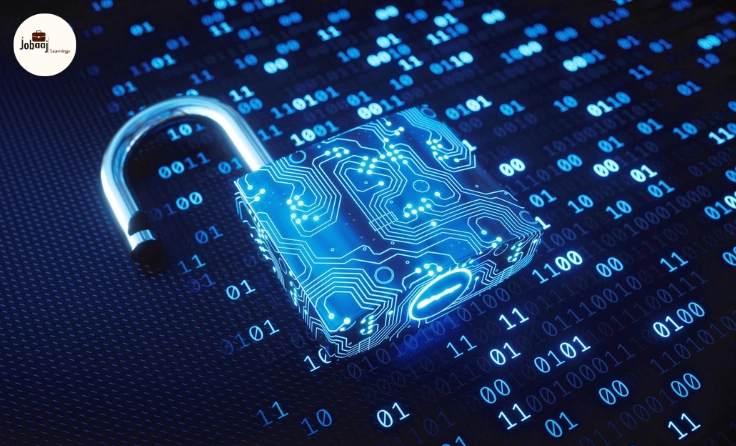
In an increasingly connected world, cybersecurity is more critical than ever before. From individuals to large enterprises, everyone is a target for cybercriminals. The digital landscape is full of threats ransomware attacks, phishing schemes, data breaches, and more. Protecting sensitive information is no longer an option, it’s a necessity. To safeguard your data and digital presence, you need to follow the best practices in cybersecurity.
What Is Cybersecurity?
Cybersecurity refers to the practice of protecting computers, networks, systems, and data from malicious attacks, theft, or damage. With the increasing reliance on digital platforms for personal, business, and government operations, cybersecurity has become essential in safeguarding information from cybercriminals who seek to exploit vulnerabilities for various malicious purposes.
Cybersecurity encompasses a wide range of practices, including the protection of sensitive data, ensuring the privacy and integrity of digital systems, and responding to security breaches. Effective cybersecurity is a multi-layered approach that involves technology, processes, and people working together to minimize the risks associated with digital threats.
10 Most Effective Cybersecurity Practices
In this blog, we will cover the 10 most effective cybersecurity practices that can significantly enhance your defense against cyber threats.
1. Implement Strong Password Policies
Passwords are the first line of defense against unauthorized access. Unfortunately, weak passwords are one of the most common vulnerabilities. You should implement strong password policies that require users to create complex passwords, use a combination of upper and lowercase letters, numbers, and special characters. Encourage the use of multi-factor authentication (MFA) for added security.
Use password managers to store passwords securely and generate strong passwords automatically.
2. Regularly Update Software and Systems
Keeping your software, operating systems, and applications updated is one of the simplest yet most effective ways to defend against cyber threats. Software providers regularly release patches and updates that fix security vulnerabilities. By neglecting updates, you leave your systems open to attacks.
Enable automatic updates to ensure you’re always running the latest versions of your software.
3. Use Antivirus and Anti-Malware Software
Antivirus and anti-malware software play a vital role in detecting, preventing, and removing malicious programs from your computer. Regularly scan your system for malware and other potential threats to ensure your device remains safe.
Ensure your antivirus software is always active and running in the background.
4. Backup Data Regularly
Data loss due to cyberattacks such as ransomware or hardware failure can be devastating. Regularly backing up your data ensures that you have access to vital information even in the event of an attack. Ideally, backups should be done both on-site and in the cloud for maximum security.
Automate your backup process to reduce the risk of human error.
5. Train Employees on Cybersecurity Awareness
Human error is one of the leading causes of cyber breaches. Employees must be trained on how to recognize phishing emails, suspicious links, and other cyber threats. Regular cybersecurity awareness training ensures that everyone in your organization understands the risks and knows how to avoid falling victim to cyberattacks.
Run phishing simulations and regular awareness training to keep employees on their toes.
6. Implement Firewalls and Network Security
Firewalls act as a barrier between your network and the outside world, blocking unauthorized access while allowing legitimate communication. Both hardware and software firewalls are essential in protecting your network from cyberattacks. Along with firewalls, ensure your network is segmented to limit exposure to potential threats.
Use a VPN (Virtual Private Network) for secure remote access to your network.
7. Control User Access and Permissions
Limiting access to sensitive data is critical in reducing the risk of data breaches. Implement the principle of least privilege (PoLP), ensuring users only have access to the information necessary for their job roles. This minimizes the potential damage in case of a compromised account.
Regularly review user access rights and immediately revoke access when it’s no longer needed.
8. Monitor Network Traffic and Logs
Continuous monitoring of network traffic and system logs can help you spot suspicious activity early. Implement security monitoring tools that alert you when abnormal behavior is detected. This helps in identifying potential threats before they escalate.
Use SIEM (Security Information and Event Management) solutions for real-time monitoring and centralized logging.
9. Encrypt Sensitive Data
Data encryption is essential for protecting sensitive information from unauthorized access. Whether the data is at rest (stored on devices) or in transit (being transmitted over the internet), encryption ensures that even if attackers intercept the data, they cannot read it.
Use strong encryption methods such as AES (Advanced Encryption Standard) and ensure your encryption keys are properly managed.
10. Create an Incident Response Plan
No matter how strong your security measures are, there is always a chance of a breach occurring. That’s why it’s critical to have an incident response plan in place. This plan should outline the steps to take in case of a security breach, including containment, eradication, recovery, and communication with relevant stakeholders.
Regularly test and update your incident response plan to ensure your team is well-prepared.
Conclusion
Cybersecurity is an ongoing effort that requires constant vigilance and proactive action. By implementing these 10 most effective cybersecurity practices, you can significantly reduce your risk of falling victim to cyber threats. Remember, the digital world is constantly evolving, so staying informed and regularly reviewing your cybersecurity measures is crucial to maintaining a secure environment.
Stay safe, stay protected, and remember that a little prevention goes a long way in protecting your valuable digital assets.
Frequently asked questions
What is Cyber Security?
Cybersecurity refers to the practice of protecting systems, networks, and programs from digital attacks, damage, or unauthorized access. It involves using various technologies, processes, and practices to safeguard information and ensure that it remains secure from cyber threats.
Why is Cyber Security Important?
Cybersecurity is crucial because it helps protect sensitive data and prevents unauthorized access to personal, financial, or business information. With the rise in cyber threats, securing digital assets is more important than ever to prevent data breaches, financial loss, and reputation damage.
What are the Common Cyber Security Threats?
Common cybersecurity threats include phishing attacks, malware, ransomware, DDoS (Distributed Denial of Service) attacks, insider threats, and data breaches. These threats can cause significant damage to businesses and individuals if not properly managed and mitigated.
How Can I Improve My Cyber Security?
Improving cybersecurity involves adopting best practices such as using strong passwords, implementing two-factor authentication, regularly updating software, encrypting sensitive data, training employees on security awareness, and using firewalls and anti-virus software to protect against attacks.

Join 5,00,000+ Subscribers
Be a part of our ever growing community.