Categories














/content/learnings/assets/header/ManagementConsulting.svg)
/content/learnings/assets/header/InvestmentBanking.svg)


























/content/learnings/assets/header/programs/1.png)
/content/learnings/assets/header/programs/4.png)

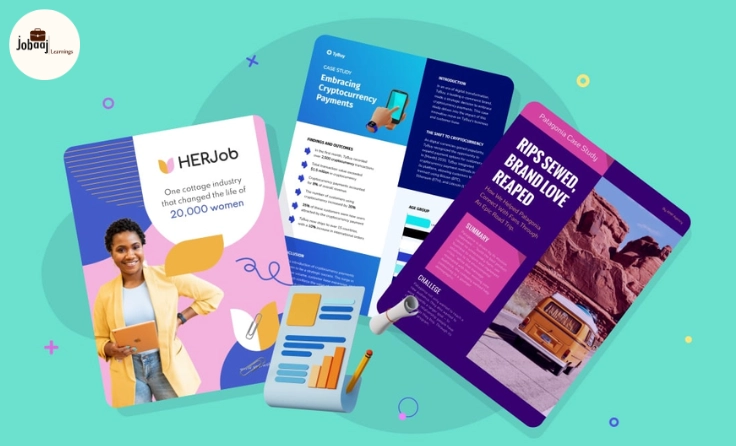
Case studies are a powerful learning tool for any business professional. Whether you're a startup entrepreneur, part of a growing company, or working within an established industry leader, learning from real-world examples can help you apply strategies that have proven successful. Case studies showcase how companies have tackled significant challenges, adopted innovative approaches, and achieved remarkable outcomes.
In this article, we’ll dive into 15+ detailed case studies across business, marketing, and sales. These examples will provide valuable insights on what works, what doesn’t, and how you can apply these lessons to optimize your own strategies.
Business Case Studies
1. Amazon’s Supply Chain Mastery
Amazon is a global leader in e-commerce, but its success isn’t just about offering a wide range of products. One of Amazon’s key strengths lies in its supply chain operations.
The Problem:
As its customer base grew, so did the need to deliver millions of products quickly and efficiently. The pressure to scale the supply chain without compromising delivery times or costs was immense.
The Solution:
Amazon focused on automation, predictive analytics, and a decentralized distribution network. They integrated robotic systems in their warehouses and adopted same-day delivery strategies, reducing shipping costs and time significantly.
Results:
Amazon’s mastery of supply chain logistics allowed it to scale rapidly, reduce costs, and maintain one of the fastest delivery networks in the world, reinforcing its position as the top player in global e-commerce.
2. Tesla’s EV Revolution
When Tesla entered the market, it faced immense skepticism. The electric vehicle (EV) market was still considered niche, and Tesla needed to prove that electric cars could be both practical and desirable.
The Problem:
Tesla had to overcome the challenges of limited consumer interest, high production costs, and a lack of public infrastructure for EVs.
The Solution:
Tesla produced high-performance vehicles that combined sustainable technology with luxury design. They bypassed traditional car dealerships and sold directly to customers, creating an exclusive buying experience.
Results:
Today, Tesla is the global leader in electric vehicles, with millions of cars on the road. Tesla’s innovation in design and technology has disrupted the automotive industry, pushing it toward sustainability.
3. Starbucks’ Global Expansion Strategy
Starbucks transformed from a small Seattle coffee shop to a global brand with over 30,000 stores worldwide. But scaling without losing the essence of the brand was a challenge.
The Problem:
Starbucks wanted to grow rapidly across the globe but had to maintain its brand identity and ensure that each store delivered a consistent, high-quality customer experience.
The Solution:
Starbucks created a premium coffeehouse experience that emphasized comfort and quality. They also localized their menu in different countries, adding region-specific drinks and food items to cater to local tastes.
Results:
Starbucks is now present in over 80 countries, with a global presence that continues to grow. The company has successfully balanced global expansion with local customization, offering a personalized experience that resonates worldwide.
4. Apple’s Ecosystem and Brand Loyalty
Apple is one of the most valuable brands in the world, largely due to its strong ecosystem and unmatched customer loyalty.
The Problem:
Apple needed to ensure that its products not only stood out but also created a sustained connection with customers that encouraged repeat purchases and brand advocacy.
The Solution:
Apple built an ecosystem where all its products — from the iPhone to the MacBook to the Apple Watch — seamlessly connected with one another. They created a premium user experience with design-focused products and a consistent user interface.
Results:
Apple’s customer loyalty is among the highest in the world, with a substantial percentage of users buying multiple Apple products. The company’s ecosystem has created a highly engaged and loyal customer base that continually drives growth.
5. IKEA’s Affordable and Sustainable Furniture
IKEA revolutionized the furniture industry with a business model centered around affordable pricing and sustainability. The company wanted to create high-quality furniture at a low cost, but how could it achieve this without compromising on the environment?
The Problem:
IKEA needed to balance affordable pricing with sustainability, ensuring that it didn’t raise prices while also sourcing environmentally-friendly materials.
The Solution:
IKEA focused on a flat-pack model, allowing furniture to be easily shipped and assembled by customers. They also invested in sustainable materials and energy-efficient stores, reducing their environmental footprint.
Results:
IKEA is the world’s largest furniture retailer, known for affordable, functional, and sustainable furniture. They continue to lead the way in eco-friendly business practices while maintaining profitability.
Marketing Case Studies
6. Coca-Cola’s “Share a Coke” Campaign
Coca-Cola’s "Share a Coke" campaign was a perfect example of how to use personalization to connect with a target audience on a deeper level.
The Problem:
Coca-Cola needed to rejuvenate its brand and engage with younger generations who were less interested in soda and more focused on health-conscious choices.
The Solution:
The company replaced its logo with popular names and nicknames on bottles, encouraging people to share a Coke with friends or family members. It became a social media sensation, with people posting pictures of their personalized bottles.
Results:
The campaign boosted sales by 7% in the U.S. and generated significant social media engagement, strengthening Coca-Cola’s connection with consumers, especially younger ones.
7. Nike’s “Just Do It” Campaign
Nike’s “Just Do It” campaign is one of the most recognizable marketing slogans in history. It transformed Nike into a global powerhouse and helped the brand become synonymous with athleticism and inspiration.
The Problem:
Nike needed a way to inspire people, not just athletes, to be active and break personal barriers.
The Solution:
The “Just Do It” campaign focused on empowerment, encouraging everyone to push past their limits, regardless of athletic background. The campaign was inclusive and resonated with people across all demographics.
Results:
Nike is now a global leader in sportswear, and the “Just Do It” slogan continues to inspire millions, driving both brand loyalty and sales.
8. Dove’s “Real Beauty” Campaign
Dove’s “Real Beauty” campaign was a revolutionary marketing initiative in the beauty industry that focused on self-esteem and body positivity.
The Problem:
Dove wanted to challenge the beauty industry’s narrow beauty standards, which primarily showcased unrealistic images of women.
The Solution:
Dove launched an advertising campaign showcasing real women with various body types, ages, and ethnicities. The brand’s focus was on promoting authentic beauty and encouraging women to feel confident in their natural skin.
Results:
The campaign increased Dove’s sales by 700%, reshaped beauty industry standards, and created a strong emotional connection with consumers, proving that authenticity can drive brand success.
Sales Case Studies
9. HubSpot’s Inbound Marketing Revolution
HubSpot changed the way companies approach marketing and sales with its inbound marketing model.
The Problem:
Traditional outbound marketing strategies weren’t as effective as they used to be. HubSpot needed a way to attract, engage, and convert leads organically.
The Solution:
HubSpot created content-driven marketing strategies to attract leads through valuable resources like blogs, eBooks, and webinars. They offered automation tools to nurture leads and move them through the sales funnel.
Results:
HubSpot grew from a small startup into a $1 billion business, establishing itself as a leader in marketing automation.
10. Salesforce’s CRM Innovation
Salesforce transformed the way businesses interact with customers through cloud-based CRM systems. Before Salesforce, many companies struggled to manage customer data effectively.
The Problem:
Customer relationship management (CRM) systems were outdated, siloed, and hard to manage, leading to inefficiencies and missed opportunities.
The Solution:
Salesforce introduced a cloud-based CRM platform that provided businesses with a real-time, unified view of their customers, streamlining sales processes and improving customer service.
Results:
Salesforce became the dominant CRM provider, helping businesses improve customer relationships, increase sales, and boost customer satisfaction.
11. Amazon’s Dynamic Pricing Strategy
Amazon’s dynamic pricing strategy helped the company stay competitive in the crowded e-commerce market while maximizing profit margins.
The Problem:
With so many products in a highly competitive market, Amazon needed to adjust prices in real-time to reflect demand, competition, and inventory levels.
The Solution:
Amazon developed an algorithm-driven pricing model that automatically adjusted prices based on these factors, ensuring they were competitive while maximizing margins.
Results:
Amazon maintained its position as the top online retailer, offering competitive prices without sacrificing profit, and ensuring customers felt they were getting the best deals.
12. McDonald’s Value Menu Strategy
In a competitive fast-food industry, McDonald’s needed a way to cater to price-sensitive consumers while maintaining profitability.
The Problem:
Consumers were becoming more cost-conscious, and McDonald's needed to offer affordable meal options without sacrificing brand value.
The Solution:
McDonald’s introduced a value menu featuring affordable options while maintaining its focus on speed and quality. The strategy was reinforced through targeted promotions and bundle offers.
Results:
The value menu helped McDonald's maintain strong sales while attracting new customers, particularly in economic downturns, and strengthened its brand in a highly competitive market.
13. Microsoft’s Sales Enablement Program
Microsoft faced challenges aligning its sales teams with rapidly changing customer needs and expectations in a competitive tech market.
The Problem:
The sales team lacked consistent training and resources, making it hard to keep up with evolving tech products and customer expectations.
The Solution:
Microsoft implemented a sales enablement program that provided training, tools, and resources to ensure its sales force was knowledgeable and well-equipped to meet customer needs.
Results:
The program resulted in improved sales performance, stronger customer relationships, and increased revenue from enterprise solutions, helping Microsoft solidify its position in the tech industry.
14. Uber’s Market Disruption Strategy
Uber’s disruptive innovation in the ride-sharing market revolutionized the transportation industry, offering a convenient, efficient alternative to traditional taxis.
The Problem:
The taxi industry was outdated, with high prices, poor service, and limited availability.
The Solution:
Uber introduced a smartphone app that connected riders with drivers in real-time, offering lower fares, greater convenience, and better service quality.
Results:
Uber has expanded to hundreds of cities worldwide, becoming the leading ride-sharing service and changing the way people think about transportation.
15. Shopify’s E-Commerce Platform
Shopify created a turnkey e-commerce platform that allowed small and medium-sized businesses to easily create their online stores, competing with larger players like Amazon.
The Problem:
Small businesses struggled to create a professional, scalable e-commerce presence without a hefty budget.
The Solution:
Shopify offered an affordable, user-friendly platform with customizable templates, integrated payment options, and marketing tools.
Results:
Shopify has helped businesses of all sizes launch and scale online stores, becoming the leading e-commerce platform globally, with over 1 million active merchants.
Conclusion
These 15+ case study examples show how businesses, marketers, and sales teams have solved complex challenges and capitalized on opportunities. Whether it’s supply chain innovation, disruptive technology, or customer engagement, each of these companies has taken bold steps that led to remarkable results.
By understanding these success stories, you can gain valuable insights and apply similar strategies to your own business, marketing, or sales efforts. Learning from these examples will help you think strategically, be more innovative, and grow your business more effectively.
Frequently asked questions
What are case studies, and why are they important for businesses?
Case studies are in-depth analyses of real-world business challenges and the strategies used to overcome them. They help businesses understand successful strategies, learn from others' mistakes, and apply tested solutions to their own operations.
How can businesses benefit from reading case studies?
By reading case studies, businesses gain valuable insights into what strategies work, how to address challenges, and ways to innovate. Case studies also provide real-world examples of **problem-solving**, **marketing tactics**, and **sales strategies** that companies can adapt to their own needs.
Why is personalization important in marketing campaigns?
Personalization, like in Coca-Cola’s “Share a Coke” campaign, helps brands connect with consumers on a deeper level. It increases engagement by making the experience more relevant to the individual, which can lead to higher sales and customer loyalty.
How did Nike’s “Just Do It” campaign change marketing in the sportswear industry?
Nike's “Just Do It” campaign went beyond selling shoes. It became a rallying cry for empowerment, inspiring people to push through personal limits, regardless of their athletic abilities. It shifted the focus from just products to emotional connection, making the brand an aspirational symbol.
How did Tesla revolutionize the automotive market with its electric vehicles?
Tesla disrupted the automotive industry by focusing on **high-performance electric vehicles** that combined **luxury design** and **sustainability**. Their approach of selling directly to consumers and continuously innovating in battery technology changed the perception of electric cars, making them mainstream.
What are the main takeaways from the IKEA case study for new businesses?
IKEA's success lies in its ability to combine **affordable pricing** with **sustainability**. The flat-pack model allowed for **cost-effective shipping** and assembly, and their focus on **eco-friendly products** created a strong market position. For new businesses, it’s crucial to find ways to deliver value while also staying aligned with customer needs and **sustainable practices**.

Join 5,00,000+ Subscribers
Be a part of our ever growing community.