Categories
















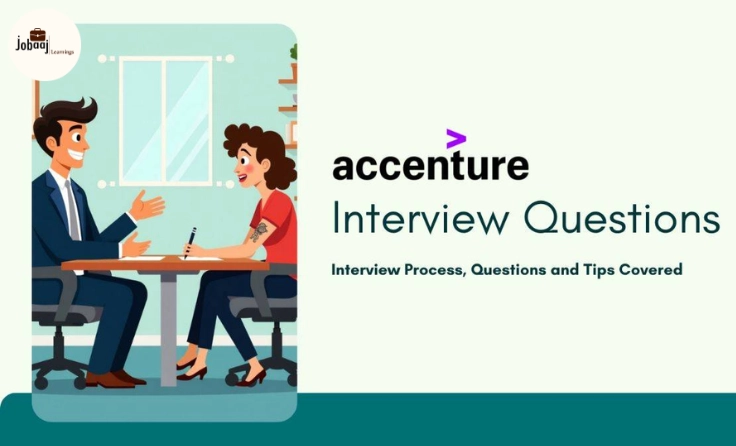
Imagine this: You’ve just received an email from Accenture, inviting you for an interview. It’s the moment you’ve been preparing for. As you read through the details, your excitement is mixed with a hint of nervousness. What will they ask? Will the process be tough? How do you showcase your skills and experiences to stand out?
Exploring a career in Web Development? Apply now!
The interview process at Accenture can seem daunting, especially when you’re aiming for one of the top consulting and technology firms in the world. But with the right preparation, you can turn that nervousness into confidence. In this blog, we’ll walk you through the types of questions you can expect during the Accenture interview in 2026, along with tips and strategies for answering them effectively.
Accenture’s Interview Process
Before diving into the questions, it’s essential to understand Accenture’s interview process. Accenture typically follows a multi-stage interview process that includes:
-
Online Application and Screening:
First, you’ll need to apply online and submit your resume. After that, you might go through an initial screening process, which can include a phone interview or an online assessment to test your technical and problem-solving skills. -
Technical Interview:
For technical roles, expect coding assessments, technical problem-solving questions, and sometimes case studies to assess your knowledge and approach to real-world problems. -
HR Interview:
The HR interview focuses on your interpersonal skills, cultural fit, and alignment with Accenture’s values. It’s essential to demonstrate how your experiences align with Accenture’s mission and how you can contribute to the company. -
Case Study Interview:
For consulting roles, you may be asked to solve a business case. This assesses your critical thinking, problem-solving, and communication skills as you work through a simulated business problem. -
Final Interview:
If you make it this far, expect more in-depth conversations about your career aspirations, technical skills, and how you handle pressure. This stage may involve meetings with senior leadership or managers.
What Type of Questions Can You Expect?
Accenture’s interviews will typically focus on three key areas: technical skills, problem-solving ability, and cultural fit. Here are some common questions across these areas.
Technical and Problem-Solving Questions
For technical roles, you’ll likely face questions designed to test your expertise and knowledge. Here are some examples:
-
“Explain a recent project you worked on and the challenges you faced.”
-
“How would you optimize a system to handle increased traffic?”
-
“Can you explain the concept of polymorphism and provide an example of how you used it in your projects?”
-
“Describe how you would approach solving a problem related to database optimization.”
How to answer:
For technical questions, be clear and concise. Provide real examples from your past work or projects. Focus on the problem-solving approach you took and how you navigated challenges to come up with a solution.
Behavioral and Situational Questions
Accenture places a strong emphasis on behavioral interviews. These questions focus on your experiences, interpersonal skills, and how you’ve dealt with challenges in past roles.
-
“Tell me about a time you had to work in a team to overcome a challenge.”
-
“Describe a situation where you had to handle a difficult client or stakeholder.”
-
“Give an example of a time when you had to prioritize multiple tasks under tight deadlines.”
How to answer:
Use the STAR method (Situation, Task, Action, Result) to structure your responses. Focus on providing specific examples from your past experiences, explaining how you identified the problem, took action, and achieved positive results.
Case Study Questions
For consulting roles, you’ll likely encounter case study questions that test your business acumen and problem-solving abilities. These are designed to simulate real-world business scenarios.
-
“You are a consultant at Accenture. A client comes to you with declining sales figures. How would you approach this problem?”
-
“How would you advise a company looking to expand into a new market?”
How to answer:
Start by breaking the problem down into manageable parts. Clarify any assumptions, identify key issues, and outline your approach to solving the problem. Be structured, logical, and show how you would work with the client to implement solutions.
HR Interview Questions
HR interviews are more about understanding your personality, motivation, and alignment with Accenture’s values. You might be asked:
-
“Why do you want to work for Accenture?”
-
“How do you handle failure and learn from mistakes?”
-
“What are your long-term career goals, and how do they align with our company?”
How to answer:
Be honest, and do your homework on Accenture’s mission, values, and culture. Show how your aspirations align with their objectives. Highlight how you can bring value to the company and contribute to its success.
Tips for Success in Accenture Interviews
-
Do Your Research:
Understanding Accenture’s core values, services, and culture is crucial. Familiarize yourself with their recent projects, innovations, and any news related to the company. This shows your genuine interest and dedication. -
Prepare for Behavioral Questions:
Use the STAR method to structure your answers. Prepare examples of challenges you’ve faced, how you solved them, and the impact you had. Accenture looks for problem-solvers and team players. -
Brush Up on Your Technical Skills:
For technical roles, practice coding problems on platforms like LeetCode, HackerRank, and CodeSignal. Also, be ready to explain complex technical concepts in simple terms. -
Stay Calm and Structured for Case Studies:
In case study interviews, take your time to understand the problem. Break it down logically, think through your approach step by step, and communicate your thought process clearly. Show that you’re able to work under pressure. -
Show Enthusiasm:
Accenture values candidates who are passionate and eager to contribute. Be enthusiastic about the opportunity to work at Accenture, and show how your skills align with the company’s goals.
Conclusion
Accenture’s interview process is designed to assess both your technical expertise and your ability to work in a dynamic, collaborative environment. By understanding the types of questions you’ll face, practicing your responses, and preparing for case studies, you can improve your chances of success. Remember, Accenture is looking for candidates who can think critically, solve problems, and work well with others. With the right preparation, you can confidently approach your interview and take the next step in your career.
Good luck, and remember, every interview is a learning experience that brings you closer to your goal.
Dreaming of a Web Development Career? Start with Web Development Certificate with Jobaaj Learnings.