Categories



































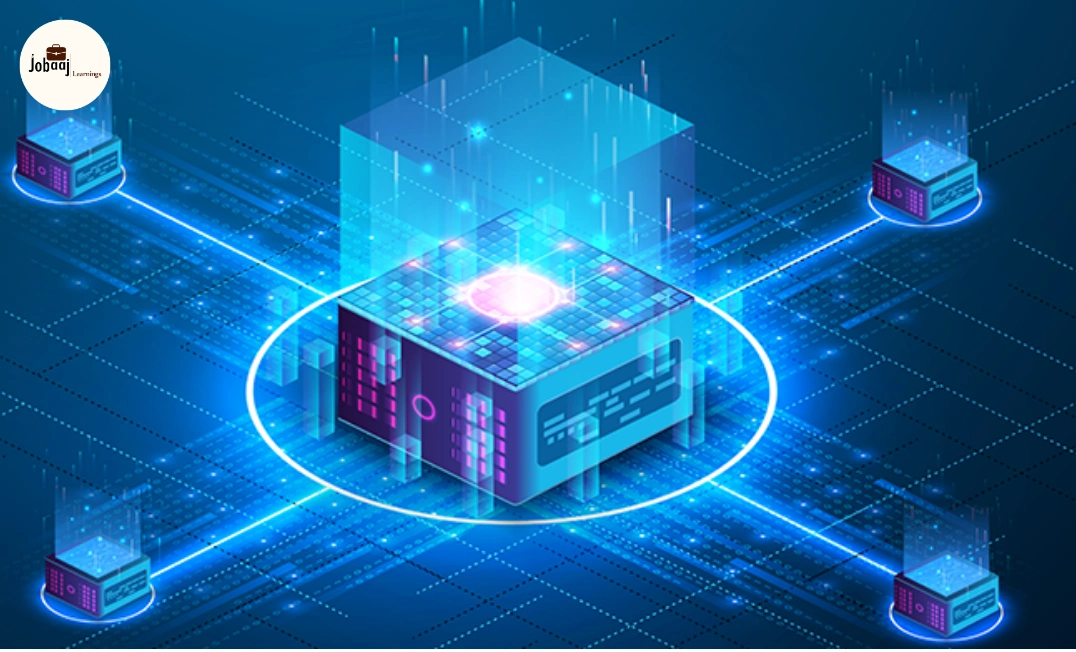
Blockchain technology has transformed how we think about security, decentralization, and the digital economy. It’s behind cryptocurrencies like Bitcoin and Ethereum, but its applications go far beyond finance. As we move through 2026, blockchain development has become one of the most sought-after skills in the tech industry.
Exploring a career in Web Development? Apply now!
In the U.S., blockchain developers are in high demand, and if you're interested in entering this rapidly growing field, you're not alone. But how do you get started? What skills do you need, and how do you break into the world of blockchain development? In this comprehensive guide, we’ll cover everything you need to know to become a blockchain developer in the U.S., from the basics to the best ways to land a job in the field.
What is Blockchain Development?
Before diving into how to become a blockchain developer, let’s first define what blockchain development is. Blockchain developers build decentralized applications (dApps) and smart contracts, as well as design, implement, and maintain blockchain systems. A blockchain is a decentralized ledger of all transactions across a network, which is maintained by a distributed group of nodes or computers. Blockchain developers typically work with technologies such as Ethereum, Solana, Polkadot, and Hyperledger to build these decentralized systems.
In simpler terms, blockchain development involves creating secure, transparent, and decentralized applications that run on blockchain technology.
Why Choose a Career in Blockchain Development?
The field of blockchain development offers several benefits:
-
High Demand: Blockchain technology is used in various industries, including finance, healthcare, supply chain, and even government. This means developers skilled in blockchain are highly sought after.
-
Lucrative Salaries: Blockchain developers are among the highest-paid professionals in the tech industry. In 2026, the average salary for a blockchain developer in the U.S. is expected to be around $120,000–$200,000 per year, depending on experience.
-
Innovation and Impact: Blockchain is an emerging technology with the potential to revolutionize industries. As a blockchain developer, you’ll be at the forefront of innovation, creating technologies that impact the future of digital transactions and decentralized systems.
-
Global Opportunities: The decentralized nature of blockchain means that its applications are global. As a blockchain developer, you’ll have the opportunity to work with teams and projects across the world.
Key Skills to Become a Blockchain Developer
Blockchain development requires a strong foundation in both traditional programming and blockchain-specific technologies. Here are the key skills you need to become a blockchain developer:
1. Programming Languages
Blockchain developers need to be proficient in a variety of programming languages, both general-purpose and blockchain-specific. The most commonly used languages for blockchain development are:
-
Solidity: A programming language for writing smart contracts on the Ethereum blockchain. It’s one of the most important languages for blockchain development.
-
Go (Golang): Go is used by popular blockchain platforms like Hyperledger Fabric. It’s known for its simplicity and efficiency, especially when building distributed systems.
-
JavaScript: While JavaScript is primarily used for web development, it’s also essential for interacting with blockchain networks and building decentralized applications (dApps) through Web3.js and Ethers.js libraries.
-
Python: Python is commonly used for writing blockchain scripts and building prototypes. It’s known for its simplicity and wide range of libraries, such as Web3.py, for working with Ethereum.
-
Rust: Rust is a systems programming language used for building high-performance blockchain solutions, especially in newer blockchain platforms like Solana.
2. Blockchain Architecture and Concepts
A solid understanding of blockchain architecture is crucial for building scalable and secure blockchain applications. Some of the key concepts you should be familiar with include:
-
Consensus Algorithms: Understand different consensus mechanisms like Proof of Work (PoW), Proof of Stake (PoS), and Practical Byzantine Fault Tolerance (PBFT).
-
Decentralization: Blockchain is inherently decentralized, and understanding how data is distributed and stored across multiple nodes is key to creating robust blockchain applications.
-
Cryptography: Blockchain relies heavily on cryptographic techniques for security. Knowledge of public-key cryptography, hashing algorithms (SHA-256, Keccak-256), and encryption methods is essential for ensuring secure transactions.
3. Smart Contracts
Smart contracts are self-executing contracts with the terms of the agreement directly written into code. Blockchain developers need to be skilled in creating and deploying smart contracts, which form the backbone of decentralized applications. Platforms like Ethereum, Binance Smart Chain, and Polkadot use smart contracts to automate processes and enforce contract terms without intermediaries.
4. Decentralized Applications (dApps)
Decentralized applications (dApps) are applications that run on blockchain networks, as opposed to traditional centralized servers. As a blockchain developer, you’ll need to know how to build dApps using blockchain technologies. This includes both front-end and back-end development, integrating blockchain with user interfaces, and utilizing IPFS (InterPlanetary File System) for decentralized file storage.
5. Blockchain Development Tools and Frameworks
Blockchain developers also need to be familiar with various development frameworks and tools:
-
Truffle: A popular development framework for Ethereum that provides tools for building, testing, and deploying smart contracts.
-
Ganache: A personal blockchain for Ethereum development that helps you deploy contracts and test applications.
-
Hardhat: A development environment for Ethereum that allows you to compile contracts, deploy them to networks, and test them in a local environment.
How to Get Started in Blockchain Development
Now that you know the essential skills needed to become a blockchain developer, here’s a step-by-step guide to help you get started in this field:
1. Learn the Fundamentals of Blockchain
Start by learning the basic concepts of blockchain technology. You should understand how blockchain works, its components (blocks, miners, nodes), and how it ensures security and transparency. There are many free resources available online, such as:
-
Coursera: Offers blockchain courses from universities like Princeton and Stanford.
-
edX: Offers courses on blockchain fundamentals from institutions like MIT and UC Berkeley.
-
YouTube: There are numerous channels that explain blockchain concepts in detail.
2. Master Blockchain Programming Languages
Once you’ve built a basic understanding of blockchain, move on to learning the programming languages and tools required for blockchain development. Start with Solidity, as it’s the most widely used language for Ethereum smart contracts. Other languages like Go and Rust can be learned based on the blockchain platforms you want to focus on.
3. Build Blockchain Projects
Hands-on practice is essential to becoming a proficient blockchain developer. Start building simple projects such as:
-
A basic cryptocurrency using a simple blockchain.
-
A smart contract on the Ethereum blockchain.
-
A dApp that interacts with a blockchain and performs simple tasks.
These projects will help you understand how blockchain components interact and how decentralized applications are built.
4. Contribute to Open Source Blockchain Projects
One of the best ways to gain real-world experience as a blockchain developer is by contributing to open-source blockchain projects on GitHub. You’ll gain exposure to large-scale blockchain codebases and learn from experienced developers in the community.
5. Join Blockchain Communities and Network
Networking with other blockchain developers and enthusiasts will help you stay up-to-date with the latest trends, job opportunities, and resources. Join blockchain forums, attend blockchain events and conferences, and participate in discussions on platforms like Reddit, LinkedIn, and Telegram.
6. Apply for Blockchain Developer Jobs
Once you have gained experience through building projects and contributing to open-source projects, start applying for blockchain development jobs. Many companies are hiring blockchain developers for roles ranging from smart contract developers to full-stack blockchain engineers.
Salary Expectations for Blockchain Developers in the US (2026)
Blockchain developers in the U.S. can expect competitive salaries in 2026. Below are the average salary ranges for blockchain developers based on experience:
|
Experience Level |
Average Salary |
|
Entry-Level |
$75,000 – $100,000 per year |
|
Mid-Level |
$110,000 – $140,000 per year |
|
Senior-Level |
$150,000 – $200,000 per year |
|
Blockchain Architect |
$180,000 – $250,000 per year |
As you gain more experience and specialize in areas like smart contract development or blockchain architecture, your earning potential can significantly increase.
Conclusion
Blockchain development is an exciting, high-demand career path with lucrative opportunities and the chance to work on transformative technology. As more industries adopt blockchain for various use cases, the demand for skilled blockchain developers will continue to grow. If you’re passionate about technology, solving complex problems, and working at the cutting edge of innovation, a career in blockchain development could be the perfect choice for you.
By learning the necessary programming languages, gaining hands-on experience, and contributing to blockchain projects, you can position yourself for success in this rapidly evolving field. The future of blockchain is bright, and there’s never been a better time to become a blockchain developer in the U.S.
Dreaming of a Web Development Career? Start with Web Development Certificate with Jobaaj Learnings.
Frequently asked questions
What programming languages should I learn to become a blockchain developer?
To become a blockchain developer, focus on learning Solidity, Go, Rust, Python, and JavaScript. These languages are essential for building blockchain applications and smart contracts.
What industries use blockchain developers?
Blockchain developers are in demand in a variety of industries, including finance, healthcare, supply chain management, gaming, and real estate. Many companies are adopting blockchain technology to enhance security, transparency, and efficiency.
How long does it take to become a blockchain developer?
It typically takes 6 months to 1 year to gain the necessary skills through self-study, online courses, or bootcamps. Gaining hands-on experience and building a portfolio can take an additional 6 months to a year depending on the individual’s learning pace.
What is the average salary for blockchain developers in 2026?
The average salary for a blockchain developer in the U.S. ranges from $75,000 for entry-level positions to $250,000 or more for senior-level roles and blockchain architects.
Do I need a degree to become a blockchain developer?
No, a degree is not required to become a blockchain developer. Many professionals transition into the field through self-learning, coding bootcamps, and online courses. What’s most important is acquiring the right skills and experience.

Join 5,00,000+ Subscribers
Be a part of our ever growing community.