Categories








































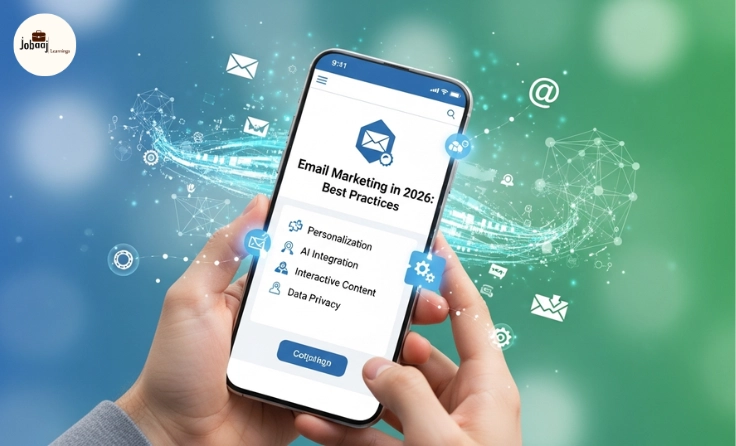
Email marketing remains one of the most effective and personal ways to connect with customers, nurture relationships, and drive conversions. Despite the rise of social media and other forms of digital marketing, email marketing continues to deliver the highest ROI (Return on Investment) for businesses of all sizes.
In this blog, we’ll explore what email marketing is, why it’s essential, and the best practices you can adopt to ensure your email campaigns stand out, engage your audience, and ultimately drive more business.
What is Email Marketing?
At its core, email marketing is the use of emails to promote products or services, build relationships with potential or current customers, and inform them about new updates or offers. It’s a direct communication channel that businesses use to send commercial messages, newsletters, or promotional offers to a targeted audience.
Email marketing can be highly personalized and segmented, which allows businesses to tailor their content to specific audience groups. Whether you’re sending a welcome email, a product update, or a promotional discount, email marketing is all about sending the right message at the right time.
Why is Email Marketing Needed?
You might be wondering, with social media and other platforms available, why should you invest time and effort in email marketing? Here’s why email marketing continues to be essential for businesses:
-
Direct Access to Your Audience: Unlike social media algorithms that limit your reach, email marketing gives you direct access to your audience’s inbox. If they’ve subscribed to your emails, you know they’re interested in what you have to offer.
-
High ROI (Return on Investment): According to studies, email marketing consistently ranks as one of the highest ROI marketing channels. For every dollar spent on email marketing, businesses earn $42 on average.
-
Personalization: Email marketing allows for tailored messaging based on customer behavior, preferences, and past interactions. You can personalize the subject line, content, and offers to make each email feel relevant to the recipient.
-
Automation: Email marketing platforms allow you to automate campaigns, saving you time and effort. You can set up welcome sequences, abandoned cart reminders, and post-purchase follow-ups to engage with customers at key moments.
-
Measurable Results: With email marketing, you can track open rates, click-through rates, bounce rates, and conversions. These metrics help you measure success and refine your campaigns for better results.
Best Practices for Email Marketing
To make the most out of your email marketing campaigns, here are some of the best practices that you should follow:
1. Build and Segment a Quality Email List
The first step in successful email marketing is building and maintaining a quality email list. However, it’s not just about the quantity it's about targeting the right people.
-
A high-quality, permission-based email list is more likely to convert into sales and engagement than a list of random contacts.
-
Offer something of value, like a free e-book, webinar, or discount, in exchange for visitors’ email addresses. Use segmentation to divide your email list based on factors like demographics, interests, past purchases, or engagement levels. This ensures you’re sending the most relevant content to each person.
2. Craft Compelling Subject Lines
Your subject line is the first thing a recipient sees. If it doesn’t catch their attention, your email may not get opened.
-
A great subject line entices your audience to open the email. It’s the hook that makes the first impression.
-
Keep it short, clear, and interesting. Use personalization (e.g., including the recipient’s name) and create a sense of urgency or exclusivity. Avoid spammy words like "free" or "urgent" which may land your email in the spam folder.
Example Subject Lines:
-
"Hey [Name], your exclusive discount is here!"
-
"Don’t miss out on this limited-time offer!"
-
"Last chance to grab your 20% off!"
3. Provide Value in Every Email
Your emails should offer value to your subscribers, whether it’s informative, entertaining, or promotional. If your audience doesn’t find value in what you send them, they’re likely to unsubscribe or ignore your future emails.
-
Providing valuable content builds trust with your audience. When people feel they benefit from your emails, they’re more likely to engage with your brand and eventually make a purchase.
-
Create a mix of content, such as:
-
Educational emails (e.g., tutorials, tips)
-
Promotional offers (e.g., discounts, sales)
-
Product updates or new launches
-
Customer testimonials or case studies
-
4. Optimize for Mobile
Over 50% of emails are opened on mobile devices, so it’s crucial that your emails look great on smartphones and tablets.
-
A mobile-friendly email ensures that your subscribers have a smooth experience when reading your emails, leading to better engagement.
-
Use responsive email design, meaning the layout adjusts automatically to fit the screen size. Keep the content concise, with large fonts and easily clickable buttons.
5. Personalize Your Emails
Personalization goes beyond just adding the recipient’s name to the email. It’s about making your content relevant to them.
-
Personalized emails have higher open rates and better engagement. When you tailor your emails to match subscribers’ interests, you make them feel valued.
-
Use data to segment your email list and send targeted content. For instance, send product recommendations based on past purchases or offer discounts on items they’ve shown interest in.
6. Use Clear and Engaging CTAs (Call-to-Actions)
Your email should have a clear objective whether it’s to encourage subscribers to visit your website, make a purchase, or download an offer.
-
A strong CTA leads recipients to take the next step. Without a clear CTA, your email may lack direction.
-
Use action-oriented language for your CTAs. Keep them prominent and easy to click. For example, use buttons like “Shop Now,” “Learn More,” or “Get Your Discount.”
7. Test and Optimize Your Campaigns
Even if your emails seem perfect, there’s always room for improvement. Testing and optimizing your campaigns will help you better understand what works and what doesn’t.
-
Regularly testing different elements of your email (like subject lines, content, and CTAs) will help you optimize your campaigns for higher engagement.
-
Use A/B testing to try out different versions of emails and see which performs better. You can test:
-
Subject lines
-
CTA button colors
-
Email layout
-
8. Monitor and Analyze Your Results
After sending your email campaigns, it’s important to track and measure your results to understand their effectiveness.
-
By analyzing metrics like open rates, click-through rates, and conversion rates, you can determine how well your campaign performed and make improvements for future campaigns.
-
Use email marketing tools like Mailchimp, HubSpot, or Constant Contact to analyze your email performance. Keep track of your KPIs and adjust your strategy accordingly.
Conclusion
Email marketing is a powerful tool that can help you reach your target audience directly and drive significant business results. By following these best practices building a quality email list, personalizing your emails, optimizing for mobile, and analyzing your performance you can create effective and engaging campaigns that convert.
The key to successful email marketing is consistency and experimentation. Keep learning from your results, and over time, you’ll refine your approach to create the most compelling emails that drive sales and engagement.
Frequently asked questions
What are the best practices for email marketing in 2026?
The best practices include building a quality email list, personalizing emails, optimizing for mobile, and regularly testing and analyzing email performance to improve engagement.
Why is email marketing important for businesses in 2026?
Email marketing is essential for reaching your audience directly, offering personalized content, and generating leads with a high return on investment. It continues to outperform other marketing channels.
How can I improve email open rates?
To improve open rates, write compelling subject lines, use personalization, and send emails at the right time. Regularly test and optimize your subject lines to find what resonates with your audience.
What tools can I use for email marketing?
Popular email marketing tools include Mailchimp, HubSpot, and Constant Contact. These tools provide features for automating campaigns, segmenting audiences, and analyzing performance.
How do I create effective call-to-action buttons in my emails?
Make your CTAs clear and action-oriented. Use compelling language like "Shop Now," "Get Started," or "Claim Your Discount." Ensure that they are easily clickable and stand out in the email.
What metrics should I track in my email campaigns?
Key metrics to track include open rates, click-through rates, conversion rates, bounce rates, and unsubscribe rates. These metrics help you understand how well your email campaigns are performing and where to improve.

Join 5,00,000+ Subscribers
Be a part of our ever growing community.