Categories








































Remote work is no longer a temporary solution; it has become a permanent and thriving part of the global workforce. As companies and workers adapt to this new way of working, digital collaboration has emerged as a key pillar for success. The ability to work effectively with colleagues, clients, and partners across distances requires a unique set of skills that leverage technology, communication, and adaptability.
In 2026, digital collaboration tools and strategies are more advanced than ever. However, it’s not just about having the right tools it’s about mastering the skills needed to use those tools effectively to maintain productivity, foster teamwork, and achieve business goals.
In this blog, we will break down digital collaboration in detail, why it's crucial for remote workers, and the essential skills every remote worker needs to thrive in the digital-first world of 2026.
What is Digital Collaboration?
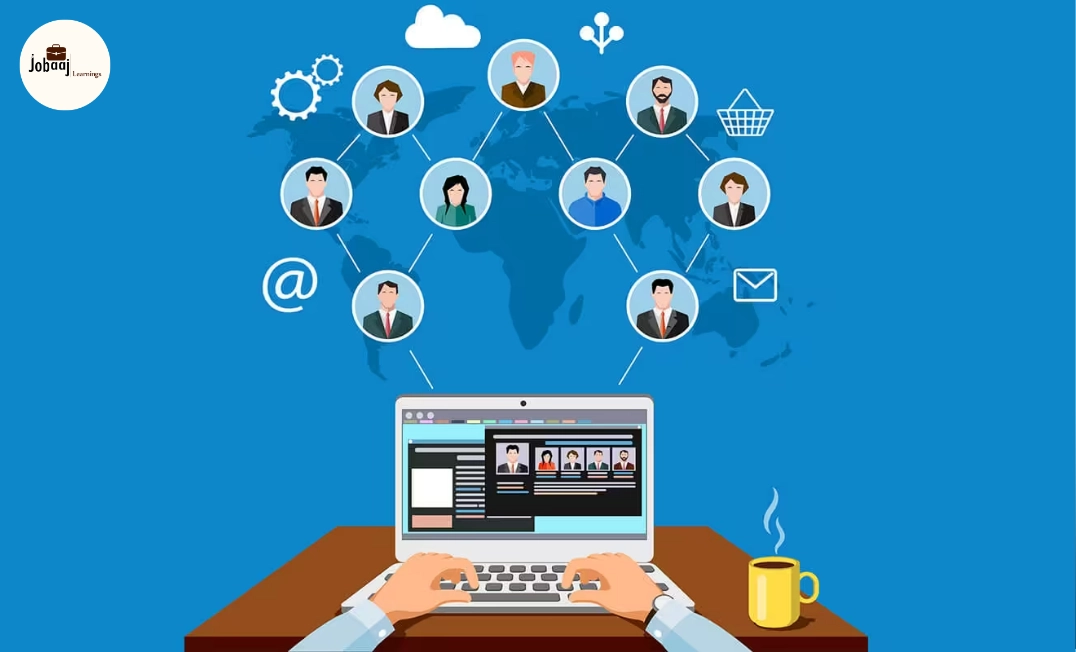
Digital collaboration refers to the use of technology and online tools to enable individuals and teams to work together remotely, regardless of their physical location. It involves a combination of communication, sharing information, project management, and collective decision-making, all taking place in a digital environment. Digital collaboration can take many forms, from real-time communication to sharing documents and collaborating on projects.
In the context of remote work, digital collaboration bridges the gap created by distance. It enables teams to stay connected, aligned, and productive, even when they're scattered across different cities, countries, or time zones. The goal of digital collaboration is to replicate or improve upon traditional in-office teamwork, with the added flexibility of remote work.
Why is Digital Collaboration Important for Remote Workers?
As the number of remote workers continues to grow, the importance of digital collaboration cannot be overstated. Remote teams often face challenges that traditional office teams do not, such as lack of face-to-face interactions, diverse work schedules, and varying time zones. Effective digital collaboration can help overcome these challenges, keeping teams engaged and motivated.
In 2026, businesses are no longer just relying on email or chat to collaborate. They are using a range of digital tools that enable real-time collaboration, automation, and integration with other business processes. These tools improve workflow efficiency, communication transparency, and employee engagement, leading to a more cohesive and productive team.
Essential Digital Collaboration Skills for Remote Workers in 2026
While the technology behind digital collaboration is impressive, it’s the human side of collaboration that truly makes remote work effective. Below are the key digital collaboration skills that every remote worker needs in 2026.
1. Proficiency with Digital Communication Tools
Effective communication is the foundation of successful remote work. In 2026, remote workers need to be proficient with a range of digital communication tools to facilitate everything from quick chats to lengthy meetings.
-
Video Conferencing: Tools like Zoom, Google Meet, and Microsoft Teams have become essential for virtual meetings. As a remote worker, you need to know how to set up, manage, and participate in video conferences seamlessly. This includes features like screen sharing, virtual backgrounds, breakout rooms, and live chat.
-
Instant Messaging: Platforms like Slack, Microsoft Teams chat, and WhatsApp help keep communication flowing in real-time. Remote workers must be able to organize conversations effectively, whether by using channels, group chats, or direct messages.
-
Email: Despite all the newer messaging platforms, email remains a crucial tool for remote workers, especially for formal communication. Knowing how to compose clear, concise, and professional emails is essential in any remote role.
Why It Matters in 2026: Mastering digital communication tools ensures that remote workers can stay connected, resolve issues quickly, and maintain clarity in their interactions without the benefit of face-to-face contact.
2. Time Management and Self-Discipline
One of the biggest challenges for remote workers is managing their time effectively. When you're working from home, it’s easy to get distracted, overwork, or lose track of time. In 2026, remote workers need to manage their time carefully to balance work and personal life while maintaining productivity.
-
Time Tracking: Tools like Toggl, Clockify, and Harvest help you track the time you spend on various tasks, ensuring you stay productive throughout the day.
-
Task Management: Project management platforms like Asana, Trello, and Monday.com help remote workers organize tasks, set deadlines, and prioritize work. These tools provide clarity on what needs to be done, by when, and by whom, helping remote teams stay on track.
-
Setting Boundaries: Remote workers need to set clear boundaries between their work and personal lives. This might mean setting a regular work schedule, creating a dedicated workspace, or taking regular breaks.
Why It Matters in 2026: With flexible schedules and fewer in-person interactions, it’s easy for remote workers to lose structure. Strong time management and self-discipline help keep workers focused, avoid burnout, and maintain high performance.
3. Collaboration and Teamwork in a Virtual Environment
Collaboration is key to any team's success, and for remote workers, it’s essential to use digital tools that promote teamwork and collective problem-solving.
-
Real-Time Document Collaboration: Tools like Google Docs, Notion, and Confluence allow multiple people to work on the same document simultaneously. This makes it easy to brainstorm, edit, and finalize content without the back-and-forth of email attachments.
-
Cloud Storage: Platforms like Google Drive, Dropbox, and OneDrive provide easy access to files from anywhere. Remote workers need to know how to upload, share, and organize files effectively within these cloud systems.
-
Virtual Whiteboards: Tools like Miro and MURAL allow teams to collaborate visually in real time. Remote workers can use these tools for brainstorming sessions, strategy planning, and even project mapping.
Why It Matters in 2026: Effective collaboration tools allow remote teams to work as though they were in the same room, increasing efficiency and fostering a sense of connection among team members.
4. Adaptability to New Tools and Technologies
The tech landscape is constantly changing, and new tools are continually emerging to help remote teams collaborate more effectively. Remote workers need to be adaptable and open to trying new platforms and technologies to stay ahead of the curve.
-
Staying Updated with Emerging Tools: Being open to adopting the latest digital tools whether it’s a new video conferencing platform or a productivity app helps remote workers stay efficient and competitive.
-
Troubleshooting: While remote workers may not have access to in-house IT support, basic troubleshooting skills such as restarting devices, checking internet connections, or using help forums are important for minimizing downtime.
-
Cybersecurity Awareness: As remote work exposes individuals and organizations to greater cybersecurity risks, remote workers must be aware of best practices for securing data and protecting against cyber threats, such as using VPNs, multi-factor authentication, and strong passwords.
Why It Matters in 2026: In the fast-paced digital world, remote workers who embrace new technologies and keep their systems secure will be better equipped to handle challenges and optimize their productivity.
5. Emotional Intelligence and Building Relationships Virtually
Emotional intelligence (EQ) is a critical skill for remote workers who may find it harder to build relationships without in-person interactions. Being able to read emotions, resolve conflicts, and empathize with colleagues from a distance is crucial for maintaining a positive and cohesive team culture.
-
Building Rapport: Remote workers need to make an effort to get to know their colleagues personally, even when working from a distance. Regular check-ins, virtual coffee breaks, and team-building activities can help build strong relationships.
-
Conflict Resolution: Disagreements and misunderstandings can arise in any team. Remote workers with high emotional intelligence are better equipped to address and resolve conflicts in a constructive manner, keeping team morale high.
-
Empathy in Communication: Without visual cues, understanding tone and intent in digital communication can be challenging. Remote workers who practice empathy and adapt their communication style to different situations will foster better teamwork and collaboration.
Why It Matters in 2026: Emotional intelligence helps remote workers maintain positive relationships, prevent misunderstandings, and create an inclusive, supportive team culture even in a virtual setting.
Conclusion
As remote work continues to thrive in 2026, digital collaboration skills will be more important than ever. Remote workers who master communication tools, manage their time effectively, collaborate seamlessly, embrace new technologies, and maintain emotional intelligence will be positioned for success.
By honing these skills, remote workers can ensure that they remain productive, engaged, and connected with their teams, regardless of where they’re located. Embracing the future of remote work requires adaptability, patience, and a willingness to learn. So, if you’re a remote worker in 2026, these digital collaboration skills are the foundation for a successful and fulfilling career in the digital-first world.
Frequently asked questions
What are the most important digital collaboration skills for remote workers in 2026?
Key digital collaboration skills for remote workers in 2026 include mastering communication tools (video conferencing, instant messaging), time management, teamwork in virtual environments, adaptability to new technologies, and emotional intelligence for building virtual relationships.
How can remote workers improve their communication skills?
Remote workers can improve communication by learning how to effectively use video conferencing, instant messaging, and email. It’s important to be clear, concise, and proactive in communication while also practicing active listening and empathy.
Why is emotional intelligence important for remote workers?
Emotional intelligence is crucial for understanding and managing emotions, resolving conflicts, and building strong, empathetic relationships within remote teams. It helps remote workers communicate more effectively and maintain a positive team culture.
How can remote workers manage their time effectively?
Remote workers can improve time management by using tools like Trello, Asana, or Google Calendar for task management, setting clear work hours, and creating a dedicated workspace. Regular breaks and setting boundaries between work and personal life are also important.
What tools should remote workers use for collaboration?
Essential collaboration tools for remote workers include video conferencing platforms (Zoom, Google Meet), instant messaging tools (Slack, Microsoft Teams), project management software (Trello, Monday.com), and cloud storage (Google Drive, Dropbox).

Join 5,00,000+ Subscribers
Be a part of our ever growing community.