Categories








































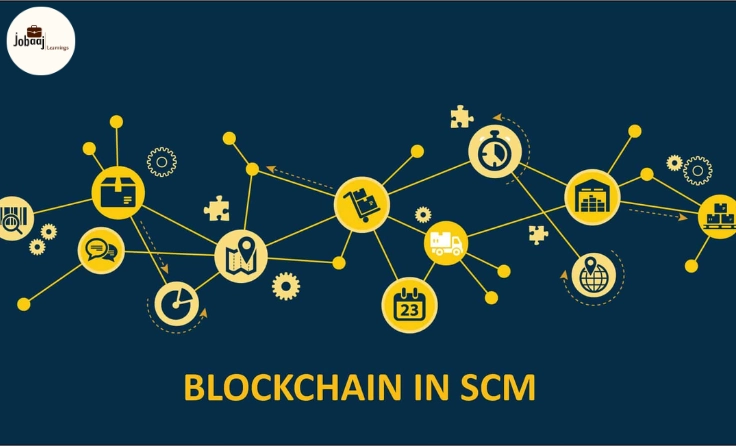
Supply chain management is the backbone of business operations, ensuring products move smoothly from suppliers to manufacturers to customers. But, let’s face it—traditional supply chains are often plagued with problems like inefficiencies, fraud, lack of transparency, and delays. As companies continue to seek ways to overcome these challenges, many are turning to blockchain technology. While blockchain is often associated with cryptocurrencies, its applications extend far beyond digital currencies. In fact, it’s revolutionizing supply chain management by providing a solution to some of the most common pain points.
Exploring a career in Web Development? Apply now!
We’re going to break down how blockchain is changing the way businesses manage their supply chains, why it’s becoming a must-have tool, and how it’s helping companies stay ahead in a competitive landscape.
Understanding Blockchain and How It Works in Supply Chains
Let’s start with the basics. What exactly is blockchain? Imagine a digital ledger where all transactions are recorded and visible to everyone who has access. But, what makes it special is that once a transaction is added, it can’t be changed or tampered with—like writing something in stone. This level of transparency and security makes blockchain the perfect tool for supply chain management.
Now, how does blockchain apply to supply chains? In simple terms, it allows all parties in the supply chain to have access to the same data. Whether you’re a supplier, distributor, manufacturer, or retailer, everyone has a clear, unchangeable record of the product’s journey. That means no one can falsify records or hide important details. Blockchain’s decentralized nature means there’s no need for a middleman—each participant can directly track and verify every step of the product’s lifecycle.
This is especially powerful in industries where authenticity, accountability, and transparency are critical. Whether it’s ensuring ethical sourcing, preventing fraud, or tracking a product’s origin, blockchain provides a reliable and secure way to keep things transparent.
Blockchain Makes Supply Chains More Transparent and Builds Trust
One of the most significant advantages of blockchain in supply chains is its ability to create transparency. Traditionally, many supply chains have operated in silos, meaning that one part of the chain often doesn’t know what’s happening with the rest of the supply process. Blockchain breaks down these silos and makes the entire supply chain visible to everyone who needs to see it.
Imagine buying a product, like a pair of luxury shoes. With blockchain, you can trace the product's journey from raw materials all the way to the store shelf. You’ll know where the materials came from, how it was manufactured, and whether it was produced under ethical working conditions. This kind of transparency builds trust with consumers who want to know that the products they’re buying are legitimate and ethically sourced.
For businesses, this level of transparency offers several benefits:
-
It’s harder for fraud to occur when all transactions are recorded in a public, immutable ledger.
-
Consumers and business partners have more confidence in your brand because they can trace every step of the process.
-
Blockchain helps businesses stay compliant with regulations by providing clear records of every transaction and shipment.
Blockchain Improves Efficiency and Lowers Costs
Blockchain doesn’t just increase transparency—it also improves efficiency. Traditional supply chains often involve paperwork, manual data entry, and multiple intermediaries, all of which can slow things down and introduce errors. Blockchain simplifies and automates many of these tasks, reducing administrative work and speeding up operations.
For example, instead of waiting for a payment to clear or waiting for a piece of paper to be signed, blockchain’s smart contracts automatically execute transactions when certain conditions are met. If an order is received and the goods are shipped, the contract can automatically release payment. This reduces the need for middlemen, like banks or third-party auditors, and saves time and money.
Blockchain also enables real-time tracking, meaning businesses can keep tabs on the status and location of goods at any given moment. If a shipment is delayed or a product is damaged, you’ll know right away, which means quicker decisions and fewer disruptions in the supply chain.
Blockchain and Traceability: Ensuring Quality Control
In many industries—especially those dealing with food, pharmaceuticals, and luxury goods—ensuring product quality is of utmost importance. With blockchain, every product can be traced along its entire journey, ensuring it meets safety standards and quality expectations.
For instance, in the food industry, blockchain helps track food safety by recording every step of the food’s journey, from the farm to the table. If there’s a recall, businesses can quickly pinpoint the source of contamination and remove affected products from shelves without delay.
In pharmaceuticals, blockchain can track temperature-sensitive drugs, ensuring they are stored and transported at the right temperature. This means fewer instances of spoiled or ineffective products, making it easier for businesses to ensure the integrity of their products and comply with regulations.
Blockchain can also help ensure that products are authentic. For example, in the luxury goods sector, blockchain can provide consumers with a digital certificate of authenticity that verifies a product’s origin and legitimacy, making it harder for counterfeit goods to infiltrate the market.
Blockchain’s Role in Reducing Counterfeiting and Fraud
Counterfeiting is a growing problem across several industries, particularly with high-value items like electronics, luxury goods, and pharmaceuticals. Blockchain helps to tackle this issue by making it nearly impossible to tamper with product data once it’s entered into the system.
With blockchain, every product has a unique digital identity that can be tracked throughout its lifecycle. Whether it’s a designer handbag or a pharmaceutical drug, blockchain allows businesses and consumers to verify that what they’re buying is genuine and hasn’t been altered.
For businesses, this means less revenue loss due to counterfeit goods and a more trusted brand. For consumers, it means they can buy products with peace of mind, knowing that they’re getting exactly what they paid for.
Blockchain and Sustainability: Tracking Ethical Practices
Sustainability is becoming more important to consumers and businesses alike. Many companies are looking for ways to prove that their products are ethically sourced and that their supply chains are sustainable. Blockchain offers a powerful tool to track and verify sustainable practices.
With blockchain, companies can provide verifiable proof of their sustainability efforts, such as:
-
Sourcing raw materials from ethical suppliers.
-
Ensuring fair labor practices.
-
Tracking carbon footprints and environmental impacts throughout the supply chain.
This transparency can help businesses improve their reputation, meet sustainability goals, and attract eco-conscious consumers.
Challenges of Blockchain in Supply Chains
While blockchain offers incredible benefits, there are some challenges to consider:
-
Integration with legacy systems: Many companies are still using older systems that may not be compatible with blockchain technology.
-
Scalability: Blockchain networks can sometimes struggle with processing a large number of transactions quickly, which can be a concern for larger supply chains.
-
Cost of implementation: Setting up a blockchain solution can require a significant investment, especially for smaller companies.
Despite these challenges, the technology is continually improving, and the potential for blockchain in supply chain management is immense.
Conclusion
Blockchain is not just a passing trend—it’s a game-changer for supply chain management. It’s helping businesses become more transparent, efficient, and secure by providing a tamper-proof, traceable, and decentralized way to track goods from start to finish.
As the technology matures, blockchain has the potential to completely transform the way businesses manage their supply chains, enabling them to stay competitive, build trust with customers, and meet the growing demands of transparency and sustainability. For companies looking to streamline their operations and reduce risks, adopting blockchain in supply chain management is a step toward a more secure and efficient future.
Dreaming of a Web Development Career? Start with Web Development Certificate with Jobaaj Learnings.
Frequently asked questions
What is Blockchain and how does it work in Supply Chain Management?
Blockchain is a decentralized digital ledger where all transactions are recorded and verified. In supply chain management, blockchain ensures transparency and traceability by allowing all parties in the supply chain to access and verify the same data, eliminating the need for intermediaries and reducing the chances of fraud.
How does Blockchain enhance transparency in Supply Chains?
Blockchain improves transparency by offering a shared, immutable record of every transaction across the supply chain. This visibility enables all participants, from manufacturers to consumers, to track products’ origins and movements. It makes it difficult for bad actors to alter data, ensuring all transactions are genuine and traceable.
Can Blockchain reduce costs in Supply Chain Management?
Yes, blockchain can significantly reduce costs by streamlining operations and reducing the need for intermediaries. It enables automation through smart contracts, real-time tracking, and digital recordkeeping, minimizing paperwork, fraud, and human error. As a result, businesses can lower administrative costs and speed up processes.
What role does Blockchain play in product traceability and quality control?
Blockchain allows companies to track products at every stage of their journey, from raw materials to final delivery. This provides complete visibility into the production process, ensuring compliance with quality standards. In industries like food and pharmaceuticals, blockchain can help track the safety and authenticity of products, quickly identifying issues if they arise.
How does Blockchain help with reducing counterfeiting in supply chains?
Blockchain ensures that every product is assigned a unique digital identity, making it virtually impossible to counterfeit. This identity can be verified at each step of the supply chain, so businesses and consumers can be confident that they are receiving authentic goods. It is especially useful in industries like luxury goods, pharmaceuticals, and electronics.
Can Blockchain be used to track sustainability in supply chains?
Yes, blockchain can track and verify sustainable practices in supply chains. Companies can use blockchain to prove that products were sourced ethically, manufactured under fair labor conditions, and transported with minimal environmental impact. This transparency helps meet sustainability goals and attract environmentally conscious consumers.
What are the challenges of implementing Blockchain in Supply Chains?
While blockchain offers numerous benefits, it can be challenging to implement. Some of the hurdles include integrating blockchain with legacy systems, scaling it to handle high volumes of transactions, and the initial cost of setup. However, as the technology matures, these challenges are becoming easier to address.

Join 5,00,000+ Subscribers
Be a part of our ever growing community.