Categories







































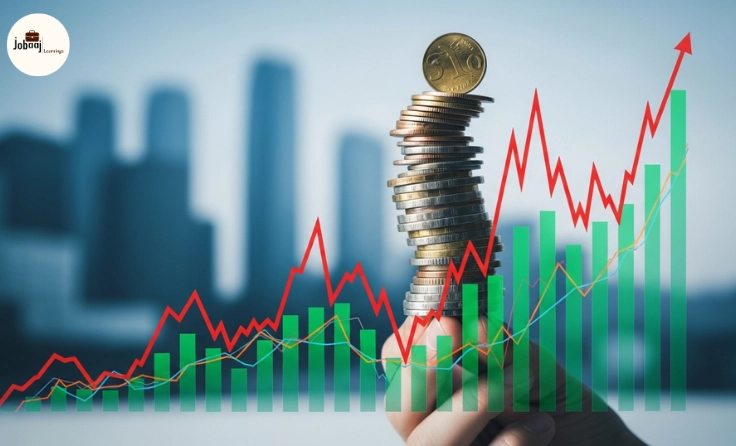
A market crash isn’t just a few bad trading days. It’s when stock prices fall sharply and suddenly, wiping out billions in value within days or weeks. Fear spreads fast, and investors rush to sell their holdings to avoid bigger losses.
But why do crashes happen? Usually, it’s a mix of overvalued stocks, economic uncertainty, and panic selling. When confidence breaks, even strong companies see their stock prices tumble.
Causes of a Stock Market Crash
A crash doesn’t happen out of nowhere. It’s usually triggered by a mix of underlying weaknesses and sudden shocks. Let’s break down the main causes:
-
Overvaluation
When stock prices climb too fast without real earnings growth, the market becomes “overheated.” Sooner or later, investors realize the prices don’t match company performance—and they start selling. -
Economic Slowdown
Rising inflation, high interest rates, or declining GDP can signal that the economy is struggling. This makes investors nervous and prompts them to pull money out of stocks. -
Global Events
Political instability, wars, pandemics, or natural disasters can quickly shake investor confidence. For example, COVID-19 caused one of the fastest crashes in history in March 2020. -
Excessive Debt and Speculation
When people borrow money to invest (called “margin trading”), even a small price drop can cause massive sell-offs as lenders demand repayment. This can turn small declines into full-blown crashes. -
Panic Selling
Fear spreads faster than logic. Once people start selling, others follow—creating a downward spiral. This herd behavior can turn minor dips into major collapses.
Immediate Impact of a Market Crash
A market crash hits several layers of the economy at once:
-
Stock Prices Plunge: Investors see their portfolio values drop dramatically.
-
Investor Confidence Falls: People stop buying and start hoarding cash.
-
Businesses Struggle: Companies find it harder to raise funds, slowing down hiring and expansion.
-
Banks Tighten Lending: With uncertainty rising, financial institutions become cautious about loans.
-
Global Ripple Effect: Crashes in one region quickly spread to others due to interconnected markets.
In short, fear replaces optimism, and money stops flowing freely through the system.
How a Market Crash Affects Different Financial Markets
-
Stock Market:
The most direct impact—prices drop, trading volumes rise, and volatility spikes. Blue-chip companies aren’t spared either. -
Bond Market:
Investors move money to safer government bonds, causing yields to fall. This “flight to safety” stabilizes portfolios but reduces returns. -
Currency Market:
Risky currencies fall as investors flock to stable ones like the U.S. dollar or the Japanese yen. Emerging markets often face sharp currency depreciation. -
Commodity Market:
Oil, metals, and industrial commodities drop as demand expectations fall. Meanwhile, gold usually rises since it’s seen as a “safe haven.” -
Real Estate and Private Equity:
Property prices often fall after crashes as investors cut spending and liquidity dries up. Private investors also pause big deals.
Psychological Impact on Investors
Market crashes test emotions more than financial skills. Fear, anxiety, and loss aversion take over. Many investors panic-sell at the worst possible time, locking in their losses.
Smart investors, however, see opportunity in the chaos. They know that every crash creates undervalued stocks waiting for recovery.
The key is emotional control—understanding that markets move in cycles and patience often pays off.
How the Market Recovers After a Crash
Recovery doesn’t happen overnight. It usually goes through three main phases:
-
Stabilization Phase
Governments and central banks step in with emergency measures—like cutting interest rates, buying bonds, or providing stimulus. These steps calm the panic and restore liquidity. -
Confidence Rebuilding Phase
As fear fades, long-term investors start buying again. Stock prices slowly stabilize, and consumer spending improves. -
Growth and Expansion Phase
Once corporate profits return and the economy strengthens, markets often surge past their pre-crash levels. This phase can create some of the best investment opportunities.
Historical Examples of Market Crashes and Recovery
-
1929 Great Depression: Triggered by over-speculation and margin debt. It took nearly a decade for recovery.
-
2008 Financial Crisis: Caused by subprime mortgage collapse. Governments rescued banks, and markets rebounded within 2–3 years.
-
2020 COVID-19 Crash: Markets fell 30% in weeks but recovered within months due to massive global stimulus efforts.
History shows one constant truth: markets always bounce back.
How to Protect Yourself During a Market Crash
-
Stay Invested: Don’t panic-sell; markets tend to recover faster than expected.
-
Diversify Your Portfolio: Spread your investments across sectors and asset classes.
-
Keep an Emergency Fund: Cash reserves help you avoid selling assets at a loss.
-
Focus on Fundamentals: Invest in companies with strong balance sheets and steady cash flow.
-
Think Long-Term: Market crashes are temporary; long-term growth is permanent.
Conclusion:
Market crashes can feel terrifying, but they’re also cleansing moments for the financial system. They remove excess speculation, correct overvaluation, and pave the way for more sustainable growth.
If you stay calm, informed, and disciplined, you’ll find opportunities where others see only chaos. Remember—every downturn eventually leads to a comeback.
Struggling with stock charts?
Start now with Jobaaj Learnings' Technical Analysis Crash Course.
Frequently asked questions
What triggers a market crash?
Market crashes are triggered by various factors, including economic downturns, geopolitical events, investor panic, and loss of confidence in the market, leading to a rapid decline in stock prices.
How long does it take for markets to recover after a crash?
Recovery time varies greatly depending on the severity of the crash, government intervention, and the overall health of the economy. Some recoveries are swift; others take years.
What role does government intervention play in market recovery?
Government intervention, such as stimulus packages, interest rate cuts, and bailouts, can significantly influence the speed and effectiveness of market recovery after a crash.
What are the key economic fundamentals affecting market recovery?
Economic fundamentals like inflation, unemployment rates, consumer confidence, and corporate earnings all play a significant role in determining the pace of market recovery after a crash.
How can investors mitigate risk during a market crash?
Investors can mitigate risk through diversification, risk management strategies, and potentially shifting to less volatile assets during a market downturn. Professional financial advice is recommended.

Join 5,00,000+ Subscribers
Be a part of our ever growing community.
Related reads

Investment Banker Salary in India 2026: Fresher to Senior-Level Salary Breakdown
Private Equity Career Guide: Skills, Roles and Salary