Categories









































The year 2026 has seen a seismic shift in the e-commerce industry, and at the center of this transformation is blockchain technology. Once known for powering cryptocurrencies like Bitcoin, blockchain is now revolutionizing the way online businesses operate, handle transactions, and secure customer data. So, how is blockchain making its mark in e-commerce, and why should businesses pay attention to this technology? Let’s dive deep into how blockchain is disrupting the e-commerce space in 2026.
Exploring a career in Web Development? Apply now!
What is Blockchain and How Does it Work?
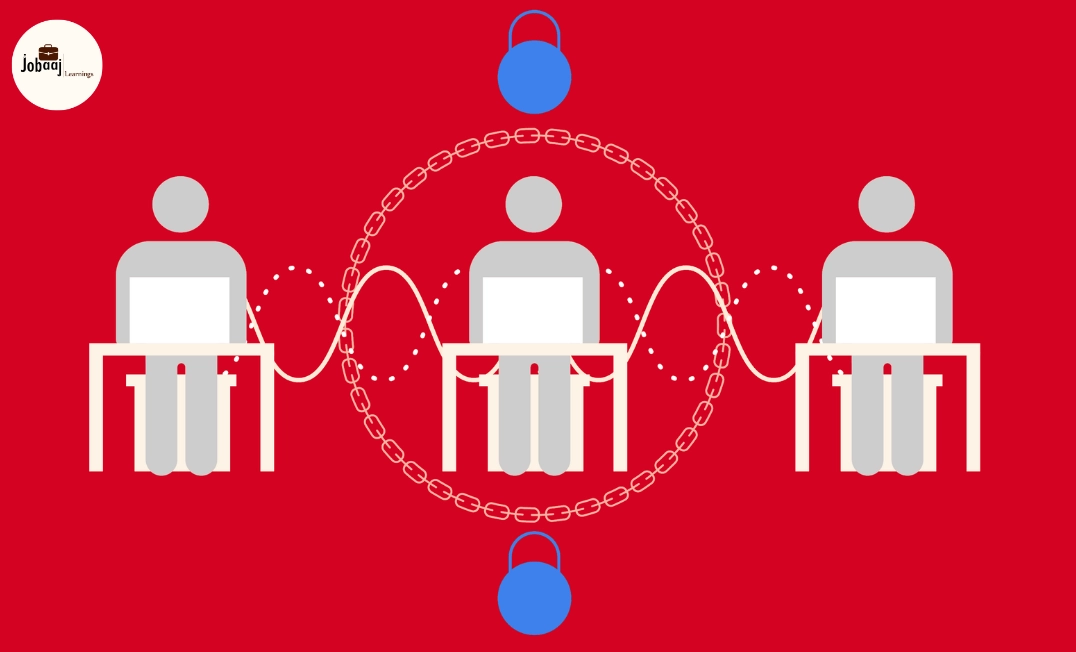
Before we explore its impact on e-commerce, it’s important to understand what blockchain is and how it works. At its core, blockchain is a decentralized and distributed digital ledger used to securely store and record data across multiple computers. It allows data to be verified, validated, and stored in blocks that are linked together in a chain hence the name "blockchain."
Each transaction on the blockchain is encrypted and can be accessed by anyone with the appropriate permissions. Because there’s no central authority controlling the ledger, blockchain provides a level of transparency and security that traditional systems simply can’t match.
1. Improved Security for E-Commerce Transactions
One of the most significant advantages of blockchain technology is its ability to enhance security. E-commerce platforms have long been targets for cyberattacks, fraud, and data breaches. With blockchain, businesses can ensure that transactions are secure, transparent, and immutable.
Blockchain uses advanced encryption techniques to verify and store transaction data, making it virtually impossible for hackers to alter any records once they’re added to the blockchain. This is a game-changer for e-commerce businesses looking to protect sensitive customer information such as credit card details, personal data, and order histories.
For instance, blockchain-based payment systems ensure that customers' transactions are not only safe from fraud but also completed without the need for a third-party intermediary. This results in quicker, more secure transactions that are attractive to both consumers and businesses alike.
2. Decentralized Payment Systems
Traditional payment systems for online purchases usually involve intermediaries like banks, payment gateways, and credit card companies. These intermediaries can slow down the transaction process, increase fees, and raise security risks.
Blockchain technology enables decentralized payment methods, where transactions are verified and processed on the blockchain without the need for third-party involvement. This reduces processing times and eliminates high transaction fees associated with conventional payment systems. Additionally, blockchain payment systems can support both fiat currencies and cryptocurrencies, allowing businesses to cater to a broader range of customers.
3. Enhanced Supply Chain Transparency
Blockchain is also transforming how e-commerce businesses manage their supply chains. Traditional supply chain management systems are often opaque, making it difficult for businesses to track the provenance of goods, ensure product quality, and verify authenticity.
Blockchain's transparency and immutability offer a solution to this problem. By recording each step of the product journey on the blockchain from the manufacturer to the retailer businesses can ensure that their supply chains are transparent, traceable, and tamper-proof. This helps build trust with customers who are increasingly concerned about product authenticity, sustainability, and ethical sourcing.
For example, in the fashion industry, blockchain can be used to prove that a product is made with ethically sourced materials, reducing the risk of counterfeit products entering the market.
4. Smart Contracts for Streamlined Operations
Smart contracts are another revolutionary aspect of blockchain technology. These are self-executing contracts with the terms of the agreement directly written into code. Smart contracts automatically execute actions when predefined conditions are met, eliminating the need for intermediaries, such as lawyers or notaries.
In e-commerce, smart contracts can be used for a variety of purposes, including:
-
Automating payments and refunds
-
Managing returns and exchanges
-
Verifying product quality and ownership
-
Handling loyalty programs and reward points
By reducing the need for human intervention, smart contracts save time, reduce errors, and lower transaction costs, all while improving the customer experience.
5. Customer Data Privacy and Control
In a world where consumer data is more valuable than ever, blockchain is offering a new way for e-commerce businesses to manage customer data securely and privately. With traditional systems, businesses store sensitive customer information in centralized databases, making them vulnerable to hacks and breaches.
Blockchain allows customers to control their own data through decentralized identifiers (DIDs) and self-sovereign identity (SSI) systems. This means that instead of businesses storing customers' personal information, users themselves can choose what data to share and with whom. This not only enhances privacy but also gives consumers more control over their personal information.
For e-commerce businesses, implementing a blockchain-based system could lead to higher customer trust and loyalty, as consumers feel more empowered and secure when making online purchases.
6. Faster Cross-Border Transactions
Cross-border e-commerce transactions have long been a headache for both businesses and customers. Currency conversion, high fees, and long processing times can all make international purchases difficult and costly.
Blockchain-based systems offer a solution by enabling faster and cheaper cross-border transactions. With blockchain, businesses can use cryptocurrencies or digital tokens to bypass traditional banking systems, reducing transaction fees and speeding up the transfer of funds. This can improve the experience for global customers and open up new opportunities for e-commerce businesses to expand their reach.
7. Better Loyalty Programs and Rewards
Customer loyalty programs are a staple of the e-commerce industry, but they often have limitations such as restricted redemption options and limited transparency. Blockchain can help businesses improve loyalty programs by making them more flexible, transparent, and accessible.
By using blockchain, businesses can create decentralized loyalty programs where customers earn points that can be redeemed across multiple platforms. For example, instead of being limited to redeeming loyalty points only within a single retailer's ecosystem, blockchain allows customers to use points across a network of partner businesses.
Moreover, smart contracts can automate loyalty rewards, making it easier for businesses to manage and distribute rewards while reducing administrative costs.
8. Blockchain and Cryptocurrency Integration
As cryptocurrencies gain traction, blockchain’s ability to support cryptocurrencies is becoming increasingly important for e-commerce businesses. By integrating cryptocurrency payments into their platforms, businesses can cater to a growing segment of tech-savvy customers who prefer using digital currencies like Bitcoin, Ethereum, or even stablecoins for their purchases.
The integration of cryptocurrency payments into e-commerce platforms offers several benefits, such as faster transactions, reduced transaction fees, and access to global markets. With blockchain's support for secure, decentralized transactions, e-commerce businesses can offer a modern and attractive payment solution for customers worldwide.
9. Fraud Prevention and Identity Verification
E-commerce is a prime target for fraudsters, with chargebacks, payment fraud, and identity theft being common problems. Blockchain helps prevent fraud by ensuring that transactions are transparent, secure, and immutable.
By using blockchain-based identity verification systems, e-commerce businesses can reduce the risk of fraudulent transactions and chargebacks. Blockchain also allows for more secure and accurate verification of users, ensuring that only authorized individuals can make purchases or access sensitive information.
10. Blockchain for Advertising Transparency
In the world of digital marketing, advertising fraud is a growing concern. Blockchain technology can help improve transparency and reduce fraud in digital advertising by providing a transparent ledger for ad spending, clicks, and conversions.
Using blockchain, businesses can track and verify each step of the advertising process, ensuring that their marketing dollars are being spent effectively. This not only improves the efficiency of digital marketing campaigns but also fosters trust between businesses and advertisers.
Conclusion
As we look toward 2026, blockchain technology is set to disrupt the e-commerce landscape in profound ways. From enhancing security and privacy to improving customer experiences and simplifying cross-border transactions, blockchain is paving the way for a more transparent, efficient, and customer-centric future in e-commerce.
For businesses, adopting blockchain technology could be the key to staying competitive and meeting the ever-changing demands of consumers. By leveraging blockchain for secure payments, loyalty programs, fraud prevention, and more, e-commerce businesses can create a seamless, trustworthy experience that keeps customers coming back.
Embrace the future of e-commerce blockchain is here, and it’s transforming the way we shop, pay, and interact online.
Dreaming of a Web Development Career? Start with Web Development Certificate with Jobaaj Learnings.
Frequently asked questions
What is Blockchain and How Does it Impact E-Commerce?
Blockchain is a decentralized technology that enables secure and transparent transactions without intermediaries. In e-commerce, it enhances payment security, reduces fraud, and increases transparency in digital transactions.
How does Blockchain Improve Payment Security in E-Commerce?
Blockchain provides a secure and immutable ledger for transactions, making it difficult for hackers to alter records. It enables faster, cheaper, and more secure payments, including the integration of cryptocurrencies, thus ensuring secure transactions for both businesses and customers.
Can Blockchain Enhance Customer Loyalty Programs?
Yes, blockchain allows businesses to create decentralized loyalty programs where customers can earn and redeem points across multiple platforms. It offers more transparency and flexibility, making loyalty programs more rewarding and easier to manage.
What are the Benefits of Using Blockchain for Cross-Border Transactions?
Blockchain technology facilitates faster and more cost-effective cross-border payments by eliminating intermediaries, reducing transaction fees, and speeding up processing times. This is especially beneficial for e-commerce businesses with global customers.
How Can Blockchain Prevent Fraud in E-Commerce?
Blockchain offers enhanced security by ensuring that every transaction is recorded and verified on a decentralized ledger. This makes it difficult for fraudsters to manipulate or falsify transaction data, reducing the risk of fraudulent activity and chargebacks.

Join 5,00,000+ Subscribers
Be a part of our ever growing community.