Categories








































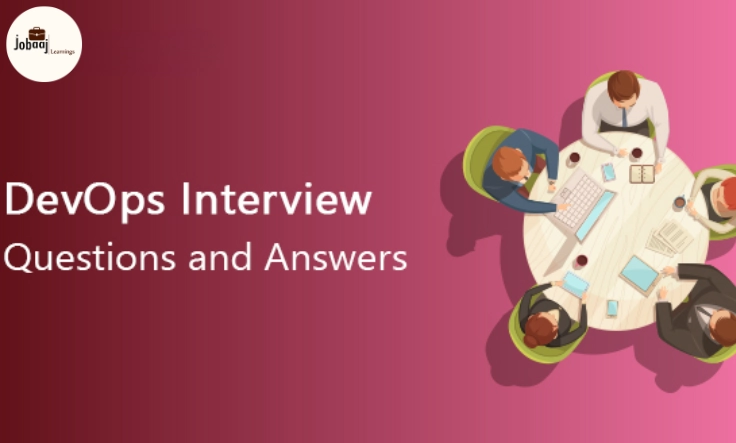
Picture this: you walk into a Google interview room, laptop open, interviewer watching intently. They don’t start with a typical technical question. Instead, they ask:
"Imagine a critical production service is down, millions of users are affected, and you have just ten minutes to act. What steps would you take?"
This is the essence of scenario-based questions in Google DevOps interviews. These questions test more than technical knowledge—they evaluate your problem-solving ability, decision-making under pressure, communication skills, and how you think in real-world situations.
Exploring a career in Web Development? Apply now!
In 2025, scenario-based questions have become central to Google’s DevOps hiring process, reflecting the company’s emphasis on reliability, scale, and efficiency. This guide will teach you how to approach these questions effectively, with detailed strategies, examples, and preparation tips.
Why Scenario-Based Questions Are Important
Google seeks engineers who can handle real-world challenges at massive scale. Scenario-based questions help assess:
-
Problem-solving ability: Can you identify the root cause quickly and logically?
-
Decision-making under pressure: Can you prioritize critical issues effectively?
-
Collaboration and communication: Can you coordinate with developers, QA, and SRE teams?
-
Adaptability: Can you adjust when your first approach fails?
For example, instead of asking “What is continuous deployment?” you may get:
"Your Kubernetes pod keeps restarting in production. How would you troubleshoot this issue?"
This tests both your technical knowledge and your approach to problem-solving in high-pressure scenarios.
Step-by-Step Approach to Scenario-Based Questions
1. Use the STAR Method
Google values structured answers. STAR stands for:
-
Situation: Describe the context clearly.
-
Task: Define your responsibility in that scenario.
-
Action: Explain the steps you took to resolve it.
-
Result: Share the outcome and what you learned.
Example:
"During a product launch, one of our services crashed (Situation). I was responsible for restoring service within minutes (Task). I analyzed logs, identified a memory leak, rolled back the latest release, and coordinated with the team to patch the issue (Action). Downtime was minimized to under five minutes, and post-mortem documentation prevented similar issues in future releases (Result)."
This structured storytelling ensures your answer is clear, measurable, and professional.
2. Think in Systems, Not Tools
Google wants you to see the bigger picture. Don’t just name tools like Jenkins or Docker. Instead, explain:
-
How monitoring and alerting help detect issues early
-
How rollback strategies reduce user impact
-
How auto-scaling and load balancing maintain service reliability
-
How collaboration across teams prevents prolonged outages
Example:
"If a microservice fails during peak traffic, I would use Stackdriver to monitor health, redirect traffic through load balancers, and coordinate with the SRE and development teams to implement a fix while keeping users informed."
3. Explain Trade-Offs
Many scenarios have no single “right” answer. Recruiters look for decision-making skills and awareness of trade-offs.
Example Scenario: A service is experiencing high latency—should you scale horizontally or optimize code?
Answer:
"Scaling horizontally gives immediate relief but increases costs. Optimizing code improves performance long-term and reduces resource usage. I would implement a temporary horizontal scale while optimizing the code to handle sustained traffic efficiently."
4. Highlight Communication and Collaboration
Technical skills alone are not enough. Google values engineers who communicate clearly. Always include:
-
How you inform stakeholders
-
How you update team members regularly
-
Documentation and post-mortem reporting
Example:
"During a production outage, I would send immediate alerts to the incident response team, provide status updates every 15 minutes, and document actions taken for future reference."
5. Prepare with Realistic Scenarios
Some common Google DevOps scenario-based questions in 2025 include:
-
A production database crashes during peak hours. How do you restore it?
-
Kubernetes pods are consuming unexpected resources. What is your approach?
-
Half of the services fail health checks during deployment. How do you proceed?
-
You notice a suspicious spike in network traffic. How do you investigate a potential security breach?
-
Monitoring alerts indicate memory leaks in a critical system. How would you troubleshoot it?
For each, practice structuring your answer, explaining trade-offs, and emphasizing communication.
6. Hands-On Preparation Tips
-
Simulate scenarios: Use GCP services such as Cloud Build, GKE, and Stackdriver to create mock incidents.
-
Mock interviews: Practice with peers or mentors under timed conditions.
-
Case studies: Read Google SRE handbooks or post-mortems for real-world insights.
-
Balance depth and brevity: Answers should be detailed yet concise.
7. Example Mini-Script Answers
Scenario: A microservice fails after a new deployment.
Answer Script:
"First, I would check deployment logs and monitoring dashboards to identify the failing service. Next, I would roll back to the previous stable release while notifying the team. Once service is restored, I’d perform a root cause analysis and document findings to prevent recurrence. During this process, I would provide status updates to stakeholders every 10 minutes."
Scenario: Unexpected network traffic spikes indicating potential DDoS.
Answer Script:
"I would first verify the spike using Stackdriver and network monitoring tools. Next, I would implement rate-limiting or firewall rules to mitigate impact. I’d coordinate with security teams for deeper investigation and update stakeholders regularly. Finally, I’d review logs to identify the attack vector and update preventive measures."
These mini-scripts demonstrate structured, logical thinking under pressure—exactly what Google evaluates.
Conclusion
Scenario-based questions in Google DevOps interviews test your technical skills, problem-solving ability, and communication simultaneously. By using the STAR method, explaining trade-offs, thinking in systems, and practicing realistic scenarios, you can answer confidently and impress interviewers.
Remember, Google is not only hiring for skills—they are hiring for mindset, adaptability, and decision-making under pressure. Proper preparation and structured answers make the difference between a good candidate and a standout candidate.
Dreaming of a Web Development Career? Start with Web Development Certificate with Jobaaj Learnings.
Frequently asked questions
What are scenario-based questions in Google DevOps interviews?
These questions present real-world problems to assess your problem-solving, decision-making, and collaboration skills in DevOps scenarios.
How should I structure my answers?
Use the STAR method (Situation, Task, Action, Result) for clear, organized, and professional answers.
Do scenario-based questions test only technical knowledge?
No, they also evaluate communication, teamwork, adaptability, and problem-solving under pressure.
How can I practice scenario-based questions?
Simulate incidents on cloud platforms, do mock interviews, and study real-world SRE and DevOps case studies.
Are there common patterns in Google DevOps scenarios?
Yes, common scenarios involve outages, deployment failures, system scaling, security incidents, and monitoring issues.
What is the biggest mistake candidates make?
Jumping to solutions without explaining the reasoning, trade-offs, and communication steps.

Join 5,00,000+ Subscribers
Be a part of our ever growing community.