Categories














/content/learnings/assets/header/ManagementConsulting.svg)
/content/learnings/assets/header/InvestmentBanking.svg)


























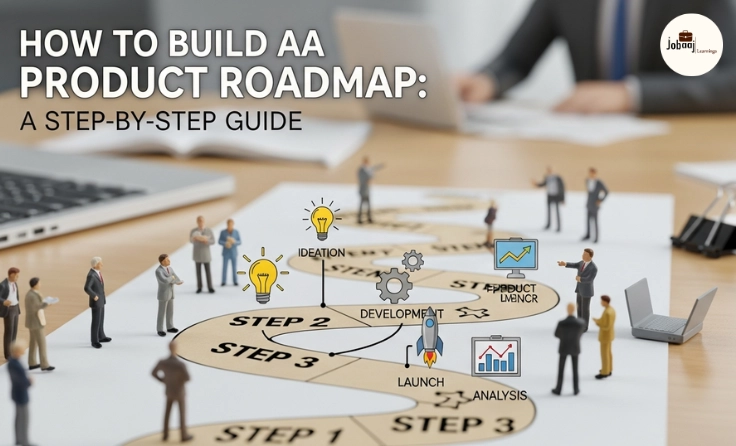
Building a product roadmap might sound like a daunting task, especially if you’re new to product management or just stepping into a leadership role. But don’t worry creating a product roadmap is a process you can master. In this blog, we’ll break down the steps involved in creating an effective product roadmap that aligns your team, defines your product vision, and sets you up for success in the long term.
Exploring a career in Product Management? Apply Now!
What is a Product Roadmap?
A product roadmap is a strategic plan that outlines the vision, goals, and features of a product over time. It’s a high-level document that communicates where the product is headed, what features will be developed, and when these features will be delivered. Think of it as the “blueprint” for your product’s future it helps you prioritize efforts and align stakeholders, ensuring everyone is working towards the same objective.
While a product roadmap is often associated with product managers, it’s a collaborative tool that involves many stakeholders, including developers, designers, marketing teams, and even customers. It provides clarity on timelines, helps communicate product vision, and acts as a decision-making tool.
Step 1: Define Your Product Vision and Strategy
Before you start outlining features and timelines, it’s important to define your product’s vision and strategy. Your product roadmap needs to be rooted in a strong foundation. What problem is your product solving? Who is your target audience? What are your long-term goals for this product?
Here are a few things to think about:
-
Product Vision: What is the ultimate goal of your product? What problem does it solve for your customers?
-
Product Strategy: How will your product deliver value to users? This involves defining your unique selling points, market positioning, and customer needs.
Once you have a clear vision, you’ll have a sense of direction for your roadmap. This vision should be customer-focused and should align with your company’s overall goals. It helps ensure that all decisions made along the way will be in service of the broader vision.
Step 2: Identify Key Stakeholders and Gather Input
A product roadmap isn’t something you create in isolation it’s a collaborative effort. Identifying the right stakeholders and gathering input from them is crucial. These stakeholders could include:
-
Development Team: They’ll provide insights into technical feasibility and timeframes.
-
Designers: They’ll help ensure the roadmap accounts for user experience.
-
Marketing Team: They’ll share insights into market demand and how to position the product.
-
Sales and Customer Support: They’ll give valuable feedback from customers, revealing pain points, desires, and market opportunities.
By involving stakeholders early on, you can get a clearer picture of the priorities and make sure that the product roadmap reflects the true needs of the business.
Step 3: Prioritize Features and Set Milestones
Now comes the fun part deciding which features will make it onto your roadmap. You’ll need to prioritize based on several factors:
-
Customer Needs: What features will have the most significant impact on your users?
-
Business Impact: What features will help meet company goals, increase revenue, or improve market share?
-
Feasibility: Which features can be realistically developed in the given time frame, with available resources?
Use frameworks like MoSCoW (Must have, Should have, Could have, Won’t have) or RICE (Reach, Impact, Confidence, Effort) to prioritize these features objectively. Keep in mind that not everything will make it to the first version of your product roadmap, so it’s essential to make decisions based on impact and feasibility.
Next, break these features down into milestones smaller, achievable goals that will help you track progress. These milestones will help you communicate timelines to your team and keep the development process moving smoothly.
Step 4: Define Timelines and Release Phases
Once you have prioritized the features, it’s time to think about timing. A product roadmap isn’t just a list of features; it also defines when those features will be delivered. This is where release phases come in. Typically, you can break down your product roadmap into several phases:
-
MVP (Minimum Viable Product): The first version of the product, which includes only the essential features needed to validate the product idea.
-
Version 1.0: The product’s official launch, which includes core features and enhancements.
-
Future Updates: Additional features, optimizations, and innovations planned for the future.
Each phase should have a rough timeline for development and release. Keep in mind that timelines should be flexible unexpected delays and changes are inevitable, so always leave room for adjustments.
Step 5: Visualize Your Roadmap
A roadmap is not just a set of lists or text it’s a visual tool that should be easy to understand at a glance. Tools like Trello, Aha!, Monday.com, or ProductPlan allow you to create visual roadmaps that include timelines, feature lists, and milestones in a clear, easy-to-follow format.
The visual representation should reflect:
-
Priority of each feature
-
Release phases and timelines
-
Dependencies between features (which features depend on others)
-
Key milestones for tracking progress
A good visual roadmap helps everyone in the team understand where the product is headed, what’s coming next, and what needs to be prioritized.
Step 6: Communicate Your Roadmap to Stakeholders
Your roadmap isn’t just for internal use it’s a tool for communication. Once your roadmap is created, share it with stakeholders, team members, and anyone involved in the product's development. Transparency is key in aligning everyone on the same vision and goals. Regular updates to the roadmap help ensure that everyone is on track and aware of changes or shifts in priorities.
This is also the time to get feedback from stakeholders. If there are concerns or adjustments that need to be made, this is the point to address them. Communication helps prevent misalignment and keeps everyone on the same page as the product evolves.
Step 7: Monitor Progress and Iterate
The product roadmap is a living document. As you progress through development, you’ll encounter new challenges, feedback from users, and unforeseen market shifts. This is normal, and the roadmap should be flexible enough to evolve with those changes.
Regularly track progress against the milestones and update the roadmap accordingly. Use metrics such as feature completion, user feedback, and team performance to measure the effectiveness of the roadmap and determine if adjustments are needed. Iteration is crucial in ensuring the roadmap continues to align with both user needs and business objectives.
Conclusion
Building a product roadmap may seem like a daunting task, but with the right approach, it becomes a powerful tool for aligning your team and guiding your product’s development. By following these steps defining your vision, prioritizing features, setting timelines, and communicating clearly with stakeholders you can create a roadmap that helps turn your product vision into a reality.
The product roadmap is a living document that will evolve as your product grows and adapts to the market. Whether you’re launching your first product or managing multiple features, a well-constructed roadmap will keep your team on track, foster collaboration, and ultimately lead to a product that resonates with users and drives business success.
Dreaming of a Product Management Career? Start with Product Management Certificate with Jobaaj Learnings.
Frequently asked questions
What is a product roadmap?
A product roadmap is a high-level strategic plan that outlines a product's vision, goals, features, and timeline. It helps align teams and stakeholders on the product's future direction.
How do I prioritize features in a product roadmap?
To prioritize features, assess their impact on business goals, customer needs, and technical feasibility. Tools like MoSCoW and RICE frameworks can help objectively decide what features to include first.
What tools can I use to create a product roadmap?
There are many tools available to create product roadmaps, such as Trello, Aha!, ProductPlan, and Monday.com. These tools provide visual interfaces to organize features, timelines, and milestones.
How often should I update my product roadmap?
Your product roadmap should be updated regularly—at least quarterly or whenever there are significant changes in business priorities, user feedback, or product development progress.
Who should be involved in creating a product roadmap?
Key stakeholders, including product managers, designers, developers, marketers, and business leaders, should be involved in creating the product roadmap to ensure alignment and clear priorities.
Can I use a product roadmap for agile projects?
Yes, product roadmaps can be adapted for agile projects. In fact, many teams use **agile roadmaps** to prioritize features in sprints while still maintaining a broader product vision.

Join 5,00,000+ Subscribers
Be a part of our ever growing community.