Categories














/content/learnings/assets/header/ManagementConsulting.svg)
/content/learnings/assets/header/InvestmentBanking.svg)



























/content/learnings/assets/header/programs/1.png)
/content/learnings/assets/header/programs/4.png)


Building an investment portfolio is often seen as a complex and intimidating process. But in reality, it’s all about understanding your financial goals, managing risks, and making informed decisions. Whether you’re new to investing or looking to refine your existing strategy, constructing a winning portfolio is a key part of growing and protecting your wealth over time.
Exploring a career in Investment Banking? Apply now!
In this blog, we’ll walk you through the essential steps involved in creating an investment portfolio that aligns with your objectives and risk tolerance. We'll also explore different types of investments and strategies that can help you build a well-balanced portfolio that has the potential to thrive in both good and bad market conditions.
Step 1: Define Your Financial Goals
Before diving into any investments, it’s essential to know what you’re working towards. Are you saving for retirement, building wealth for future generations, or planning to buy a home in the next few years? Your goals will guide the decisions you make about what types of investments to include in your portfolio.
-
Short-Term Goals: These might include saving for a vacation, a car, or an emergency fund. For short-term goals, you’ll want investments that are relatively low risk and highly liquid—think high-yield savings accounts, bonds, or low-risk mutual funds.
-
Long-Term Goals: These often include retirement or building generational wealth. For long-term goals, your investment strategy can take on a bit more risk, as you have more time to ride out market fluctuations. Stocks, equity funds, and real estate investments are all viable options for long-term growth.
Understanding your time horizon—the length of time you can leave your money invested—helps you determine how aggressively or conservatively to allocate your assets.
Step 2: Understand Your Risk Tolerance
Everyone has different levels of comfort when it comes to risk, and understanding your risk tolerance is a critical part of building a portfolio that works for you. Risk tolerance is essentially how much risk you’re willing and able to take in order to achieve your financial goals.
-
Low Risk Tolerance: If you’re risk-averse, you might prefer bonds, blue-chip stocks, or dividend-paying stocks—investments that tend to be more stable and offer a steady return over time.
-
Moderate Risk Tolerance: If you're comfortable with some risk but still prefer stability, you might consider a balanced mix of stocks and bonds, or investing in index funds and ETFs that provide a diversified approach to managing risk.
-
High Risk Tolerance: If you’re willing to take on more risk for the potential of higher returns, you might explore emerging markets, growth stocks, or even cryptocurrency. However, with higher risk comes the potential for higher losses, so it’s important to balance these investments with more stable assets.
Your risk tolerance will influence how you allocate your investments across different asset classes.
Step 3: Diversify Your Portfolio
Diversification is one of the most important principles of building a winning investment portfolio. It’s a strategy used to reduce risk by investing in different types of assets. The idea is that if one investment performs poorly, others might perform well, which helps to balance out your overall returns.
Here are some ways to diversify your portfolio:
-
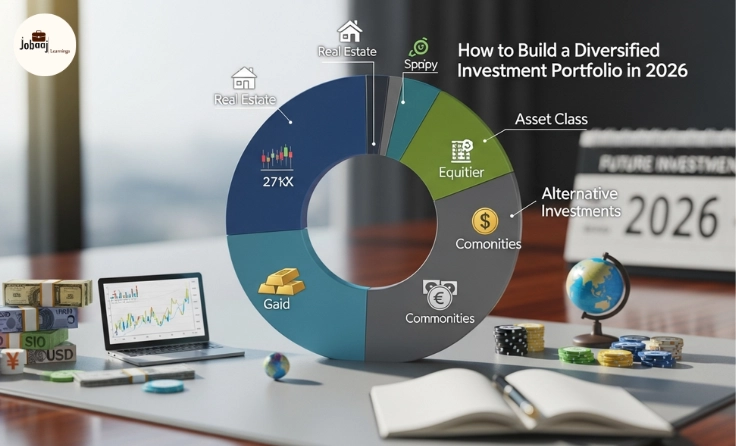
Asset Allocation: Spread your investments across multiple asset classes, such as stocks, bonds, real estate, and cash equivalents. For example, a balanced portfolio might consist of 60% stocks, 30% bonds, and 10% cash.
-
Sector Diversification: Don’t put all your money into one sector (like tech or energy). Instead, invest across various sectors, such as healthcare, finance, consumer goods, and utilities, so you aren’t too exposed to one area of the market.
-
Geographic Diversification: Consider investing in both domestic and international markets. By doing so, you can tap into growth opportunities in different parts of the world while protecting yourself from market downturns in a specific region.
By diversifying, you can reduce the impact of any one investment’s performance on your overall portfolio.
Step 4: Choose the Right Investments for Your Portfolio
Once you have a clear understanding of your goals, risk tolerance, and diversification needs, it's time to pick your investments. Below are a few options to consider:
-
Stocks: Stocks offer the potential for high returns, but they also come with higher risk. They’re best suited for long-term goals where you have time to ride out market fluctuations.
-
Bonds: Bonds are relatively safer and offer predictable returns. They’re ideal for stabilizing your portfolio and generating consistent income.
-
Mutual Funds & ETFs: Both mutual funds and exchange-traded funds allow you to invest in a diversified group of stocks or bonds. Mutual funds are typically actively managed, while ETFs are often passively managed, tracking indexes like the S&P 500.
-
Real Estate: If you're looking to invest in something tangible, real estate can offer both steady income and potential appreciation. Whether through direct property investments or real estate investment trusts (REITs), real estate can be an effective way to diversify your portfolio.
-
Commodities: Investing in commodities like gold or oil can be a good hedge against inflation and economic instability.
-
Cryptocurrency: While volatile, cryptocurrencies such as Bitcoin or Ethereum have become popular alternatives for those willing to take on higher risk for the potential of higher returns.
Step 5: Review and Rebalance Regularly
Your investment portfolio isn’t a “set it and forget it” situation. Over time, market conditions will change, and your investments will grow at different rates. That’s why it’s important to rebalance your portfolio periodically to ensure it continues to align with your goals.
-
Rebalancing means adjusting your asset allocation to bring it back to the intended balance. For example, if your stock investments have grown significantly, they may now represent a larger portion of your portfolio than you originally intended. Rebalancing would involve selling some stocks and buying other assets, such as bonds, to bring your portfolio back to the right mix.
The frequency of rebalancing depends on your investment strategy. Some investors rebalance annually, while others do it more frequently, depending on market conditions.
Conclusion
Building a winning investment portfolio takes time, effort, and a thoughtful approach. By defining your financial goals, understanding your risk tolerance, diversifying your assets, and choosing the right investments, you can create a portfolio that helps you achieve your financial objectives. And remember, investing is a long-term game. Stay disciplined, review your portfolio regularly, and be patient. Over time, your portfolio will work for you, generating the returns you need to meet your goals.
If you’re unsure about where to start or need help making investment decisions, consider speaking with a financial advisor who can guide you based on your unique needs. The right investment strategy can set you on the path to financial success for years to come.
Dreaming of a Finance career? Start with Investment Banking Certification with Jobaaj Learnings.
Frequently asked questions
What is an investment portfolio?
An investment portfolio is a collection of assets, such as stocks, bonds, mutual funds, and other financial instruments, that an individual holds with the aim of achieving specific financial goals. The portfolio is built based on factors like risk tolerance, time horizon, and financial objectives.
How do I determine my risk tolerance when building an investment portfolio?
Your risk tolerance is influenced by factors such as your financial goals, investment timeline, and emotional comfort with market fluctuations. If you’re investing for the long term and can withstand market volatility, you may have a higher risk tolerance. Understanding your risk tolerance helps ensure that your portfolio is aligned with your comfort level and goals.
What is diversification, and why is it important in an investment portfolio?
Diversification is the strategy of spreading your investments across different asset classes (stocks, bonds, real estate, etc.) to reduce risk. The idea is that if one asset performs poorly, others may perform well, balancing out the risk. Diversification helps protect your portfolio from significant losses caused by a downturn in any one sector or market.
How often should I rebalance my investment portfolio?
Rebalancing your portfolio is important to maintain the intended asset allocation. It’s typically recommended to rebalance your portfolio at least once a year or whenever there’s a significant change in the market or your investment goals. Rebalancing helps ensure that your portfolio stays aligned with your risk tolerance and long-term objectives.
What are the best investment types for a long-term portfolio?
For a long-term investment portfolio, stocks, equity mutual funds, and real estate are often recommended. These investments have the potential for higher returns over time, although they can experience short-term volatility. Bonds and index funds are also great options for adding stability to your portfolio while still offering potential growth.
Should I work with a financial advisor to build my investment portfolio?
If you're unsure about where to start or need professional guidance, working with a financial advisor can be a good choice. An advisor can help you assess your financial situation, define your goals, and create a customized investment strategy. They can also help you with ongoing portfolio management and adjustments as market conditions change.

Join 5,00,000+ Subscribers
Be a part of our ever growing community.