Categories














/content/learnings/assets/header/ManagementConsulting.svg)
/content/learnings/assets/header/InvestmentBanking.svg)


























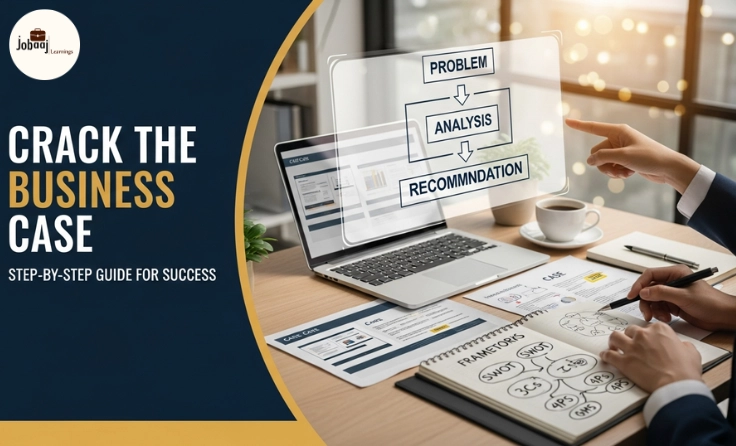
When it comes to interviews, one of the most challenging yet rewarding tasks is cracking a business case study. Whether you’re preparing for a management consulting role, finance interview, or corporate strategy position, case studies are often a critical part of the assessment. These case studies test your problem-solving skills, analytical thinking, and ability to make strategic decisions in real-time. The objective is not just to find a solution, but to demonstrate your capacity to apply business concepts to complex, real-world problems.
In this guide, we’ll break down the process of solving a business case study step by step, offering insights into how to approach each section with clarity and confidence. By the end, you’ll know exactly how to structure your solution, analyze data, and communicate your recommendations effectively, making sure you stand out during your interview or case study presentation.
1. Understand the Case Study Prompt Thoroughly
Before jumping into the solution, the first and most important step is to fully understand the case. It’s easy to rush through the details, especially when you’re under time pressure, but take your time to break down the case and grasp all its components.
-
Identify the key issues: What is the company facing? Are there multiple problems at play or just one central issue that needs to be addressed? Understanding this will give you clarity as you move forward.
-
Recognize the stakeholders: Who are the key players in the case? It could be internal stakeholders like employees, or external ones such as customers, investors, or suppliers. Knowing their perspectives is vital because your solution should consider their needs and concerns.
-
Understand the context: What external factors (market, economic trends, technological advancements, etc.) are influencing the company’s decisions? Understanding the environment in which the company operates is crucial to formulating a realistic solution.
2. Break Down the Case Using Frameworks
To tackle a complex case, you need to break it down into more manageable parts. This is where frameworks come in handy. Frameworks give you structure and guide your thinking through each component of the case. Here are a few that can help:
SWOT Analysis
A SWOT analysis (Strengths, Weaknesses, Opportunities, and Threats) is a great way to assess both the internal and external factors that are affecting the business. It helps you identify what the company is doing well (strengths), where it’s lacking (weaknesses), and the external factors (opportunities and threats) that could shape its future.
Porter’s Five Forces
Porter’s model is ideal when the case involves understanding industry competition. By analyzing the bargaining power of suppliers, the threat of new entrants, and other forces, you’ll be able to get a sense of how competitive the market is and where the company stands within it.
The 4 Ps (Marketing Mix)
If the case involves marketing strategy, the 4 Ps—Product, Price, Place, and Promotion—can help analyze how the company’s products are positioned in the market and identify areas for improvement.
PEST Analysis
A PEST analysis (Political, Economic, Social, Technological) helps you understand the broader factors influencing the business environment. This framework is particularly useful when analyzing changes in the market, economic shifts, or technological disruptions that could impact the business.
Each of these frameworks will help you think more systematically about the problem and generate insights that will guide your solution.
3. Develop a Clear Structure for Your Solution
Once you have a solid understanding of the case, it’s time to structure your solution. This is where your ability to communicate clearly will make a big difference. Here’s a breakdown of how you can organize your response:
-
Restate the Problem: Begin by restating the business problem clearly. This confirms that you understand the issue and ensures that your solution directly addresses it.
-
Analyze the Situation: Using the frameworks you’ve chosen, analyze the case. Break down the problem into smaller, manageable pieces—consider internal factors, external challenges, market trends, and the company’s position.
-
Generate Alternatives: Present at least two or three viable alternatives. It’s essential to show that you’re not just jumping to conclusions but have considered multiple solutions.
-
Make a Recommendation: Choose the best alternative and justify it with data and insights from your analysis. Be specific about how your recommendation addresses the core issues of the case.
-
Implementation Plan: A strong solution doesn’t just stop at the recommendation—it includes a clear plan for how to put it into action. Outline the steps, resources required, timeline, and potential challenges, ensuring that your solution is practical and achievable.
4. Support Your Solution with Data and Evidence
A business case study solution is only as good as the data and evidence that support it. Whether you’re dealing with financial data, market research, or industry benchmarks, make sure your solution is backed by solid facts. This could include:
-
Financial Data: Reviewing the company’s financial statements, profit margins, and growth trends can give you a better understanding of what’s working and what isn’t.
-
Market Research: If the case involves consumer behavior or industry trends, provide research that supports your solution and demonstrates how it aligns with market demands.
-
Industry Examples: Using real-world case studies or examples from similar companies can help back up your recommendations and show that your solution has been proven effective in similar situations.
The more evidence you present, the stronger your case will be.
5. Be Clear and Concise in Your Communication
Even the best solution will fall flat if it’s not communicated well. In business case studies, it’s crucial to present your solution clearly and concisely. Here are some tips for effective communication:
-
Lead with the key points: Start by stating your recommendation and its expected impact. This ensures the interviewer understands your main point right away.
-
Be organized: Use bullet points, numbered lists, or headers to break down your solution. This helps the reader follow your thought process.
-
Stay focused: Avoid going off-topic. Keep your solution structured and focused on the key issues that the case presents.
Clear, concise communication is key to getting your message across effectively.
6. Practice Time Management
Most business case study interviews are time-limited, so time management is crucial. Practice solving case studies under time constraints to simulate the real interview environment. Here are a couple of tips to manage your time:
-
Divide your time: Spend about 20-30 minutes analyzing the case and 10-15 minutes presenting your solution. This will help ensure that you have enough time to work through the problem and present your findings.
-
Don’t rush the analysis: While it’s important to manage your time, don’t rush through the analysis. Take the time to think critically and analyze all aspects of the case.
Conclusion
Cracking a business case study requires a combination of strategic thinking, analytical skills, and clear communication. It’s about understanding the problem, breaking it down using effective frameworks, supporting your recommendations with data, and presenting your solution in a way that’s easy to follow and actionable.
With enough practice, you’ll improve your ability to approach and solve case studies with confidence, making you a stronger candidate in interviews and in real-world business challenges. The more you immerse yourself in case studies, the sharper your problem-solving skills will become.
Frequently asked questions
What is a business case study?
A business case study is a real-world business scenario used to test problem-solving, analytical, and decision-making skills. It involves analyzing a business issue, generating alternatives, and proposing solutions based on data and research.
How do I prepare for a business case study interview?
To prepare for a business case study interview, practice solving case studies under time pressure, familiarize yourself with common frameworks (such as SWOT, Porter's Five Forces, and the 4 Ps), and work on presenting your solutions clearly and concisely.
What are the common frameworks used to solve a business case study?
Common frameworks include SWOT analysis, Porter's Five Forces, PEST analysis, and the 4 Ps (Product, Price, Place, Promotion). These frameworks help you break down the case and approach the problem systematically.
How do I generate alternatives for a business case study solution?
When generating alternatives, think about both short-term and long-term solutions, weighing the risks and rewards. Make sure the alternatives are feasible and align with the company’s goals, resources, and market conditions.
Why is data important in a business case study?
Data supports your analysis and recommendations, providing evidence that your solution is grounded in real-world metrics. It helps make your argument more credible and ensures that your recommendations are realistic and actionable.
How do I present my business case study solution effectively?
To present your solution effectively, focus on clarity and conciseness. Start with your recommendation, support it with data, outline the implementation steps, and conclude by emphasizing the solution’s potential impact.

Join 5,00,000+ Subscribers
Be a part of our ever growing community.