Categories














/content/learnings/assets/header/ManagementConsulting.svg)
/content/learnings/assets/header/InvestmentBanking.svg)


























Have you ever worked on a project that seemed to spiral out of control? You’re full of ideas, you’ve got a team ready to tackle them, and you start the sprint with all the enthusiasm in the world. But as the days go by, tasks start piling up, deadlines get missed, and suddenly you feel overwhelmed by an endless list of things to do. Sound familiar?
Exploring a career in Product Management? Apply Now!
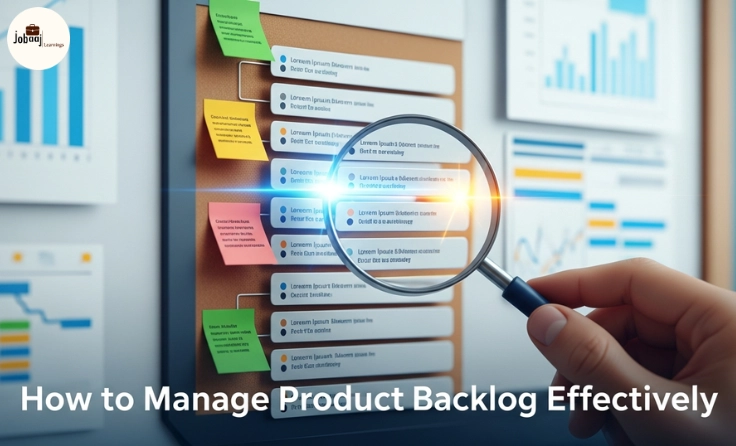
This is the reality many product teams face when managing a product backlog a list of tasks, bugs, features, and requests that can easily grow out of hand if not properly managed. A backlog that’s not well-organized or prioritized can quickly become a source of frustration for the team, causing delays and confusion.
But there’s a better way. Managing your product backlog effectively doesn’t just make your workflow smoother it keeps everyone on track, prioritizes the right tasks, and helps your team stay aligned with business goals. In this blog, we’ll take a deep dive into how you can manage your product backlog like a pro without the chaos, without the overwhelm, and without the constant feeling that you’re just trying to “catch up.” Let’s get started.
What Exactly is a Product Backlog?
A product backlog is essentially a living document that holds everything that needs to be done for your product features, bug fixes, technical tasks, user stories, and even maintenance work. Think of it as your project’s to-do list but on a much bigger scale.
In Agile and Scrum frameworks, the backlog is used to prioritize and organize tasks so the team can work on them in sprints. However, just like any to-do list, if you don’t stay on top of it, it can easily become a chaotic collection of random tasks. The backlog is meant to be constantly evolving: things get added, refined, and completed over time, so it’s crucial to keep it organized and updated.
Why is Managing the Product Backlog Important?
A well-managed product backlog is the heartbeat of your product development process. It helps your team focus on what really matters delivering value to users while ensuring that everyone is on the same page about the product’s direction.
But when the backlog gets out of hand, it can cause frustration. Team members end up working on the wrong tasks, deadlines slip through the cracks, and progress slows down.
Effective backlog management has several benefits:
-
Clear Focus: It ensures your team is always working on the highest-priority tasks, reducing distractions and wasted effort.
-
Better Stakeholder Communication: A well-maintained backlog gives stakeholders visibility into what’s being worked on and what’s coming next.
-
Easier Decision Making: Prioritizing tasks and refining them regularly helps you make decisions faster and more confidently.
-
Improved Product Delivery: By keeping the backlog in check, you ensure that the product evolves in the right direction, with quality releases that align with user needs and business goals.
Managing a backlog is more than just keeping a list. It’s about creating a streamlined workflow, prioritizing work that moves the needle, and keeping the team aligned so that everyone’s energy is spent in the right place.
Key Steps to Manage Your Product Backlog Effectively
Managing a product backlog isn’t just about collecting a bunch of tasks it's about organizing, prioritizing, and streamlining the entire process. Here are some of the best practices to keep your backlog under control:
1. Prioritize, Always Prioritize
One of the most important aspects of managing a backlog is prioritization. Not every task is equally important. Some tasks are critical for the next release, while others might just be “nice to haves.” That’s where a prioritization method comes in.
A few useful frameworks to prioritize tasks include:
-
MoSCoW Method: Divide tasks into four categories Must-have, Should-have, Could-have, and Won’t-have.
-
Value vs. Effort Matrix: Evaluate tasks based on the value they provide versus the effort required to complete them.
-
Kano Model: Focus on tasks that will delight users and drive satisfaction, categorizing them as basic, performance, or excitement features.
The key here is to regularly review and re-evaluate priorities, especially as the product evolves. Stay flexible and ready to shift focus when necessary.
2. Break Down Large Tasks Into Smaller, Manageable Pieces
It’s easy for large tasks to become overwhelming, not to mention harder to estimate and execute. This is where breaking down larger tasks into smaller, manageable user stories can help.
Instead of saying “build the new dashboard,” break it down into actionable tasks such as:
-
Design wireframes for the dashboard.
-
Build the front-end UI.
-
Implement the back-end API to support the dashboard data.
This process makes it easier to estimate the work, track progress, and ensure nothing is overlooked. It also helps keep team members motivated by allowing them to complete small tasks quickly.
3. Regular Backlog Grooming
Backlog grooming (or refinement) is an essential practice for maintaining an organized and up-to-date backlog. It’s not enough to simply add tasks and forget about them. You need to regularly review the backlog, assess what’s in it, and make necessary updates.
During backlog grooming sessions, you can:
-
Clarify user stories: Make sure they are well-defined and actionable.
-
Remove outdated tasks: If something is no longer relevant, remove it.
-
Break down large tasks: As mentioned, splitting big tasks into smaller ones can help keep things on track.
-
Re-prioritize tasks: Sometimes, what was important a month ago is no longer a priority. Make sure the team is focused on the right things.
Schedule grooming sessions regularly preferably before each sprint planning meeting so that the backlog is always in a state that’s ready for action.
4. Visualize with a Kanban Board
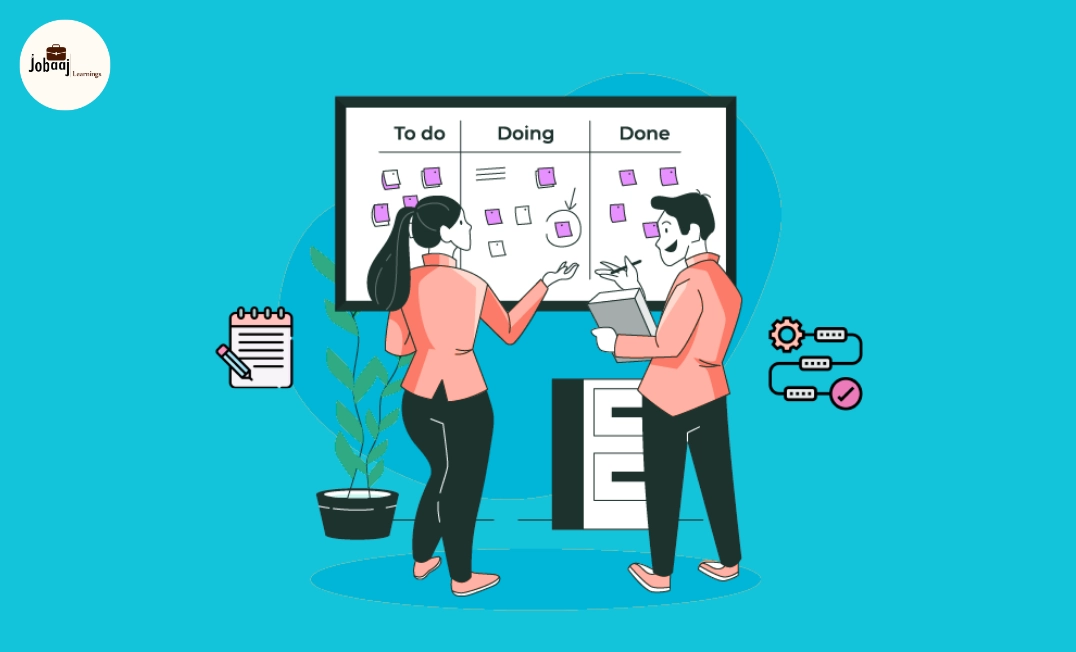
A Kanban board is a fantastic tool for managing a product backlog. It allows you to see where each task is in the development process. You can organize your board with columns like To Do, In Progress, Review, and Done. This visual representation helps the team see what’s happening at a glance and ensures that everyone is aligned.
A Kanban board can be created using tools like Trello, Jira, or Monday.com, which also provide easy-to-use drag-and-drop functionality. This makes it simple to move tasks between columns, update progress, and track bottlenecks.
5. Collaborate with Your Team and Stakeholders
Managing a product backlog is not a solo task. It’s a team effort. To keep things aligned, collaborate with product managers, developers, designers, and stakeholders regularly.
Hold weekly backlog review sessions where the team can provide input on what’s working and what needs to change. Also, keep stakeholders involved in decision-making by showing them the priorities and how those align with the overall business goals.
6. Keep the Backlog Lean
As tempting as it may be to add every single idea to the backlog, it’s important to keep it lean. A bloated backlog can overwhelm the team and slow down progress. Focus on the essentials and leave out minor features or low-priority tasks that can always be revisited later.
Ask yourself, Is this feature necessary right now, or can it wait until later? If it’s not adding immediate value, consider removing it or pushing it to a future sprint.
Conclusion
Managing your product backlog doesn’t have to feel like a never-ending battle. By focusing on prioritization, breaking down tasks, grooming regularly, and keeping your team and stakeholders involved, you can maintain a backlog that drives your project forward without the clutter and confusion.
Effective backlog management ensures that your team stays focused on the most important tasks, delivers value to users faster, and keeps the development process running smoothly. Instead of a chaotic list of tasks, your product backlog becomes a roadmap a clear guide to where the product is heading and how you’re going to get there.
Start applying these strategies today, and you’ll see your backlog become a tool that helps rather than hinders your progress.
Dreaming of a Product Management Career? Start with Product Management Certificate with Jobaaj Learnings.
Frequently asked questions
What is a product backlog?
A product backlog is a prioritized list of tasks, features, and fixes that need to be completed for a product. It’s used in Agile and Scrum methodologies to ensure the team works on the right tasks in each sprint.
How do you prioritize a product backlog?
Prioritization can be done using methods like the MoSCoW method, Value vs. Effort Matrix, or Kano Model. These methods help ensure that the most valuable and important tasks are tackled first.
What is backlog grooming?
Backlog grooming, or refinement, is the process of reviewing and updating the backlog regularly. It involves adding new tasks, removing irrelevant ones, breaking down large tasks, and adjusting priorities as needed.
How do you break down large tasks in the backlog?
Large tasks should be broken down into smaller, more manageable user stories or tasks that can be completed in a single sprint. This makes the work easier to estimate and track.
Why is a Kanban board useful for managing the backlog?
A Kanban board visualizes the tasks in your backlog, showing what is To Do, In Progress, and Done. This helps the team stay organized and ensures that everyone knows what to work on next.
How often should a product backlog be groomed?
It’s best to groom the backlog regularly, ideally once a week or just before each sprint planning session. This ensures the backlog is always up-to-date and ready for the next sprint.

Join 5,00,000+ Subscribers
Be a part of our ever growing community.