Categories









































Options trading can seem intimidating at first, but with the right strategies and an understanding of the risks, it can become a powerful tool in your trading toolkit. Whether you're new to options or looking to refine your skills, this guide will break down everything you need to know about how to trade options—what strategies to use, what risks to consider, and how to protect yourself in the process.
What Are Options?
Before diving into strategies, let's get clear on what options actually are. An option is a financial contract that gives you the right, but not the obligation, to buy or sell an underlying asset (like stocks or commodities) at a specified price (strike price) within a set period.
There are two main types of options:
-
Call Options: These give you the right to buy the underlying asset at the strike price.
-
Put Options: These give you the right to sell the underlying asset at the strike price.
Key Terminology in Options Trading
To navigate options trading, you'll need to familiarize yourself with some basic terms:
-
Strike Price: The price at which you can buy or sell the underlying asset.
-
Premium: The price you pay to buy the option contract.
-
Expiration Date: The date by which you must exercise the option, or it expires worthless.
-
In the Money (ITM): When the option has intrinsic value. For calls, this means the stock price is higher than the strike price; for puts, the stock price is lower.
Key Strategies for Trading Options
There are various strategies in options trading, each with its own risk-reward profile. Here's a look at a few popular ones:
-
Covered Call
A covered call is a conservative strategy where you own the underlying asset (like shares of stock) and sell a call option on it. You collect the premium from selling the option, but if the stock price rises above the strike price, you may have to sell your shares at that price. This strategy works well if you believe the stock will not rise significantly. -
Protective Put
If you're worried about a stock you own dropping in price, you can use a protective put. This involves buying a put option on a stock you already own to protect yourself from potential losses. If the stock price drops, the put option increases in value, helping offset some of your losses. -
Iron Condor
An iron condor is a more advanced strategy that profits from low volatility. You sell an out-of-the-money call and put, while simultaneously buying further out-of-the-money calls and puts to limit risk. This strategy is best used when you expect the stock to trade within a specific range. -
Straddle
A straddle involves buying both a call and a put option on the same stock, at the same strike price, with the same expiration date. This strategy benefits from big price movements in either direction. It’s ideal for situations where you expect high volatility but are unsure of the direction. -
Vertical Spread
A vertical spread involves buying and selling options of the same type (either puts or calls) on the same underlying asset, but with different strike prices. This strategy can be used to limit your potential losses while still allowing for some profit.
Understanding the Risks of Options Trading
While options offer significant potential for profits, they also come with risks. It’s crucial to understand these risks before diving in:
-
Time Decay
Options lose value as they approach their expiration date, a phenomenon known as time decay. If the underlying asset doesn’t move in the direction you expect before expiration, you may lose the entire premium you paid for the option. -
Market Risk
Options are highly sensitive to market movements. If the market moves against you, you could lose a significant portion of your investment. It’s important to have a strategy in place for managing market volatility. -
Complexity
Options strategies can be complex, especially for beginners. Understanding how different options interact with each other—like the relationship between strike prices, expiration dates, and volatility—can take time. -
Unlimited Losses
Some options strategies, such as selling naked calls, carry the risk of unlimited losses if the price of the underlying asset rises significantly. It’s important to use risk management strategies to protect yourself.
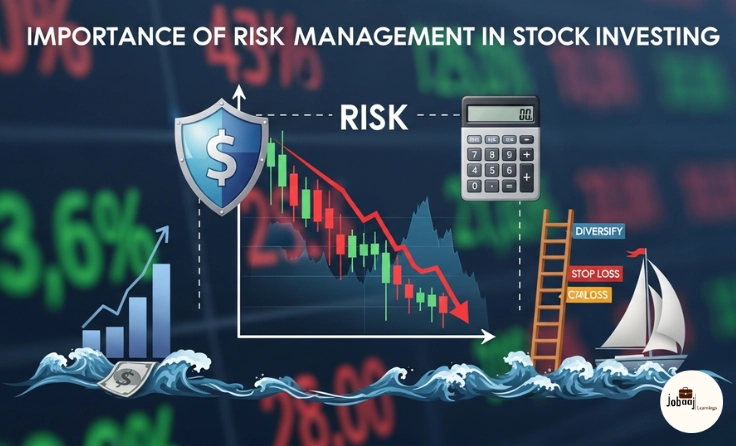
How to Manage Risk When Trading Options
Managing risk is essential when trading options. Here are a few tips:
-
Use Stop-Loss Orders: Setting a stop-loss order can limit your losses if the market moves against you.
-
Don’t Overexpose Yourself: Only risk a small portion of your trading capital on any single trade.
-
Diversify: Don’t put all your money into one asset or one option strategy. Spread your risk across multiple positions.
-
Trade with a Plan: Always have a clear trading plan, including entry and exit points, before entering a trade.
The Importance of Implied Volatility
Implied volatility (IV) refers to the market's expectations for future volatility in the price of the underlying asset. High IV generally means higher premiums for options, and low IV means lower premiums. Understanding implied volatility can help you decide when to buy or sell options and how to manage your risk.
Conclusion
Options trading can be a great way to diversify your portfolio, generate income, and protect your investments. However, like any form of trading, it requires a deep understanding of the strategies and risks involved. With the right approach, options trading can be a valuable addition to your trading repertoire.
Frequently asked questions
What are call options?
Call options give the buyer the right, but not the obligation, to buy an underlying asset at a specific price (strike price) before a certain date (expiration date).
What are put options?
Put options grant the buyer the right, but not the obligation, to sell an underlying asset at a predetermined strike price before the expiration date.
What are some common options trading strategies?
Popular strategies include covered calls, protective puts, straddles, and strangles. Each involves different risk and reward profiles.
What are the risks of options trading?
Options trading carries significant risk of losing your investment, especially for beginners. Understanding options pricing and risk management is crucial.
How do I get started with options trading?
Start by educating yourself on options basics. Practice with a paper trading account before risking real capital. Consider consulting with a financial advisor.

Join 5,00,000+ Subscribers
Be a part of our ever growing community.