Categories








































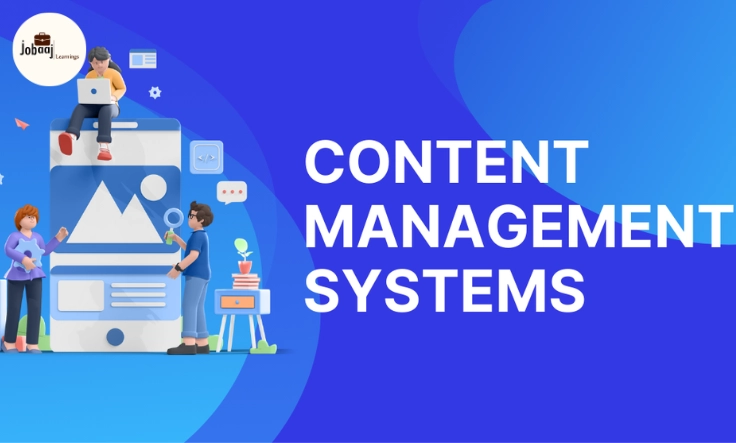
In today’s digital age, Content Management Systems (CMS) have become the backbone of website creation and management. Whether you're a business owner, a marketer, or a blogger, the way you manage content on your website plays a crucial role in shaping user experience, SEO rankings, and even your business’s success.
Exploring a career in Web Development? Apply now!
Gone are the days when building a website required extensive coding knowledge. Now, with the power of CMS, anyone—from small business owners to large enterprises—can create, manage, and update content easily without writing a single line of code. But how exactly do CMS platforms work? What makes them so essential for modern websites? And why are they considered a game-changer for content creators?
In this blog, we’ll explore what Content Management Systems (CMS) are, how they work, the different types of CMS platforms available, and how they can benefit both individuals and businesses. Whether you’re new to web design or a seasoned pro looking to optimize your website management, understanding CMS is key to running an effective online presence.
What is a Content Management System (CMS)?
At its core, a Content Management System (CMS) is a software application that allows users to create, manage, and modify digital content on a website without needing to code. A CMS provides a user-friendly interface where you can organize content, design your site’s layout, and publish new content such as blog posts, images, videos, and pages—all without any technical expertise.
Most CMS platforms consist of two key components:
-
Content Management Application (CMA): The part of the system where users can create and manage content. It’s a user-friendly interface that makes the process intuitive and easy.
-
Content Delivery Application (CDA): This part handles the back-end functions, ensuring that the content created through the CMA is stored, structured, and delivered properly on the front-end of the website.
The true beauty of CMS lies in its simplicity and the fact that it makes website management accessible to everyone, whether you’re a developer, designer, or non-technical user.
Types of CMS Platforms
Not all Content Management Systems are the same. There are several types, each designed to serve different purposes and needs. Let’s explore the three most common types of CMS platforms:
1. Open-Source CMS
Open-source CMS platforms are free to use, and the source code is available for anyone to modify. These platforms are popular due to their flexibility, vast community support, and scalability. Open-source CMS allows you to add custom features, change the design, and scale your website as needed.
Some popular open-source CMS platforms include:
-
WordPress: Arguably the most popular CMS in the world, WordPress powers over 30% of the web. It’s known for its ease of use, flexibility, and extensive plugin ecosystem. Whether you’re building a simple blog or a large eCommerce site, WordPress can handle it all.
-
Joomla!: Joomla! is another widely used open-source CMS that offers advanced features for users with more technical knowledge. It’s great for creating complex websites with powerful extensions and templates.
-
Drupal: Known for its high level of customization, Drupal is perfect for developers who need more control over their website’s design and features. It’s an excellent choice for large-scale, enterprise-level websites.
2. Proprietary CMS
Proprietary CMS platforms are owned and operated by companies that charge a fee for usage. These platforms offer a closed-source solution and usually come with a range of support services and updates. Proprietary CMS platforms are often used by businesses that require more robust features and technical support.
Some popular proprietary CMS platforms include:
-
Squarespace: Known for its drag-and-drop interface, Squarespace is popular with users who want a simple, beautiful website without having to deal with code. It offers a wide variety of templates, built-in eCommerce functionality, and excellent customer support.
-
Wix: Similar to Squarespace, Wix allows users to create websites through an intuitive drag-and-drop interface. It’s perfect for beginners and small businesses that need a fast and easy website setup.
3. Headless CMS
A headless CMS differs from traditional CMS platforms by separating the back-end content management from the front-end display. It provides greater flexibility and allows content to be published across multiple platforms, such as websites, mobile apps, and IoT devices.
With a headless CMS, content is delivered via an API, and developers can create custom front-end designs and layouts. This is ideal for businesses that require content across different channels or want to have more control over how their content is presented.
Popular headless CMS platforms include Contentful and Strapi.
Key Features of a CMS
Most CMS platforms share a set of core features that make them indispensable for website management. Some of the key features include:
-
User-Friendly Interface: CMS platforms provide easy-to-navigate dashboards that let you add, edit, and manage your content without any technical skills. This user-friendly interface allows even beginners to run a website effectively.
-
Content Creation and Editing: Most CMS platforms have WYSIWYG (What You See Is What You Get) editors, which let you create and format content directly, just like you would in a word processor.
-
SEO Tools: SEO is critical for online visibility, and many CMS platforms come with built-in tools or plugins to help optimize your website for search engines. Features like customizable meta tags, image alt text, and URL structure can help improve your site’s SEO.
-
Themes and Templates: CMS platforms offer a wide range of pre-built templates that help you create visually appealing websites without hiring a designer. You can customize these templates to match your brand’s identity.
-
Security and Backup: Most CMS platforms come with built-in security features, including updates, patches, and backups to protect your website from cyber threats. Regular backups ensure your data is safe and recoverable in case of an emergency.
-
Content Management: Organize, categorize, and tag content efficiently with a CMS. This feature helps you manage large volumes of content, making it easy to find and update specific pages or blog posts.
Benefits of Using a CMS
There are several compelling reasons to use a CMS for your website, whether you're an individual blogger or a large business. Here are some of the top benefits:
-
Ease of Use: You don’t need to be a developer or a tech expert to use a CMS. With intuitive interfaces and simple tools, CMS platforms make it easy for anyone to create and manage a website.
-
Cost-Effective: Open-source CMS platforms are free, and even proprietary CMS platforms are generally more cost-effective than hiring developers for custom-built websites. The ability to manage your own content reduces the need for ongoing technical support.
-
Collaboration: A CMS allows multiple people to contribute to a website. You can grant different users specific roles and permissions to manage content, making it easier for teams to collaborate on website updates.
-
Scalability: As your business or website grows, a CMS can easily scale to accommodate more content, visitors, and features. Many CMS platforms allow you to add plugins or features as your needs evolve.
-
Mobile Responsiveness: Most modern CMS platforms come with built-in mobile-responsive templates, ensuring that your website looks great on any device, whether it’s a smartphone, tablet, or desktop.
Conclusion
Content Management Systems (CMS) have become an essential tool for anyone looking to create and manage websites with ease. Whether you're a business owner looking to expand your online presence, a blogger sharing your thoughts with the world, or a large corporation managing vast amounts of content, a CMS can help you manage it all.
With the right CMS, you can streamline the process of managing content, optimize your site for SEO, and enhance user experience—all without needing to be a coding expert. From open-source platforms like WordPress and Joomla to proprietary tools like Squarespace and Wix, there’s a CMS out there for everyone.
By choosing the right CMS and leveraging its features, you can build a website that meets your needs and grows with your business, all while providing a seamless experience for your users.
Dreaming of a Web Development Career? Start with Web Development Certificate with Jobaaj Learnings.
Frequently asked questions
What is a Content Management System (CMS)?
A Content Management System (CMS) is a software application that allows users to create, manage, and modify digital content on a website without the need for coding. It provides a user-friendly interface for organizing and publishing content such as text, images, videos, and more.
What are the types of CMS available?
There are three main types of CMS: Open-source CMS (like WordPress and Joomla), Proprietary CMS (like Squarespace and Wix), and Headless CMS (like Contentful and Strapi). Open-source CMS are free and customizable, proprietary CMS are paid platforms that offer built-in support, and headless CMS separates the back-end from the front-end, offering flexibility for developers.
Why should I use a CMS for my website?
A CMS makes website management easier, allowing you to create, update, and organize content without needing technical knowledge. It saves time, improves collaboration among team members, and provides SEO tools, making it easier to optimize your site for search engines.
How can a CMS improve my website's SEO?
Most CMS platforms come with built-in SEO tools or plugins that allow you to easily optimize your website. These tools help with things like customizing meta tags, adding image alt texts, optimizing URLs, and generating sitemaps, which can improve your site’s search engine rankings.
Can I use a CMS to manage eCommerce websites?
Yes, many CMS platforms, such as WordPress with WooCommerce or Shopify, are designed specifically for eCommerce. They allow you to manage product listings, track inventory, process orders, and integrate payment gateways—all within the CMS platform.
What are the benefits of using an open-source CMS like WordPress?
Open-source CMS platforms like WordPress are free to use, highly customizable, and supported by a large community of developers. They offer extensive plugin ecosystems, making it easy to add new features to your site. They also have a wide range of themes, which allow for quick design customizations.

Join 5,00,000+ Subscribers
Be a part of our ever growing community.