Categories








































You’ve decided to take control of your financial future, and the stock market seems like the perfect way to grow your wealth. But where do you begin? What do all these terms like stocks, bonds, dividends, and bull markets actually mean? Don’t worry—this blog will guide you through the stock market basics step-by-step. By the end of it, you’ll have the confidence to start your investing journey and the understanding to make informed decisions. Let’s dive in!
Exploring a career in Investment Banking? Apply now!
What is the Stock Market?
At its core, the stock market is a place where investors buy and sell stocks, which are shares of ownership in a company. When you buy a stock, you essentially become a partial owner of that company. In exchange for your money, the company gives you a share of its future profits, typically in the form of dividends or an increase in the stock price.
You can think of it as a marketplace where people come together to trade ownership stakes in companies. These trades take place on stock exchanges—the most famous of which are the New York Stock Exchange (NYSE) and NASDAQ.
How Does the Stock Market Work?
The stock market operates based on the principle of supply and demand. Here’s how it works:
-
Buyers and sellers: When a company wants to raise capital, it can issue shares to the public through an initial public offering (IPO). Investors can then buy these shares on the market.
-
Price changes: The price of a stock fluctuates based on how many people want to buy or sell it. If a lot of people want to buy the stock, the price goes up. If fewer people want to buy it, the price drops.
-
Stock exchanges: These buy and sell transactions happen on platforms called exchanges, like the NYSE or NASDAQ, where brokers facilitate the trades. These exchanges work like a huge virtual marketplace where buyers and sellers are matched.
The key takeaway? The value of your stocks can go up or down based on various factors, such as the company’s performance, market trends, and economic conditions.
Key Terms Every Beginner Should Know
Before you jump in, here are some essential terms you’ll need to understand:
-
Stock: A share in the ownership of a company. Owning stock means you own a part of that company.
-
Share: The individual units of stock. If a company has 1,000 shares and you own 10, you own 1% of the company.
-
Dividend: A portion of the company’s profits paid to shareholders. Not all companies pay dividends, but it’s a nice bonus if they do!
-
Bull Market: A market in which prices are rising, or are expected to rise. In a bull market, people are generally optimistic, and stock prices go up.
-
Bear Market: A market in which prices are falling, or are expected to fall. This usually happens during periods of economic downturn.
-
Portfolio: The collection of stocks, bonds, or other investments you own. A diversified portfolio reduces risk by spreading your investments across various assets.
Understanding these basic terms is the foundation of stock market knowledge. Let’s move on to the important types of stocks and how to buy them.
Types of Stocks You Can Invest In
The stock market isn’t one-size-fits-all. There are different types of stocks, and it’s important to know the difference before you begin investing.
-
Common Stocks
Common stock is the most typical type of stock. When you buy common stock, you’re buying ownership in the company and voting rights at shareholder meetings. You’ll also be eligible to receive dividends if the company decides to pay them.
-
Preferred Stocks
Preferred stocks are a little different. While they don’t offer voting rights, they do come with priority over common stockholders when it comes to receiving dividends. Preferred stockholders are paid dividends before common stockholders, making this a more secure investment in terms of income.
-
Growth Stocks
Growth stocks are shares in companies that are expected to grow faster than others in the market. These companies reinvest their profits into expanding their business rather than paying dividends. If you’re looking for long-term growth, growth stocks can be an exciting investment.
-
Dividend Stocks
Dividend stocks belong to companies that regularly distribute a portion of their earnings to shareholders in the form of dividends. These stocks are generally stable and ideal for those who want passive income alongside capital appreciation.
-
Index Funds & ETFs
While not technically stocks, index funds and exchange-traded funds (ETFs) are an excellent way to invest in the stock market without picking individual stocks. These funds track a collection of stocks—often an index like the S&P 500—and offer diversification with low costs. They’re perfect for beginners who want to invest without doing extensive research on individual companies.
How to Buy Stocks: A Step-by-Step Guide
Now that you have a basic understanding of how the stock market works, let’s look at how to buy stocks:
-
Open a Brokerage Account: To buy stocks, you’ll need a brokerage account. There are several online platforms that make this easy, such as Robinhood, E*TRADE, or Charles Schwab. Choose one that’s user-friendly, low-fee, and offers good customer support.
-
Deposit Funds: Once you’ve opened your account, deposit money into it. This money will be used to purchase stocks.
-
Research Stocks: Before making any purchases, it’s essential to do your homework. Research companies, their growth potential, and their financial health. Websites like Yahoo Finance and Morningstar provide a lot of useful information.
-
Place Your Order: Once you’ve found a stock you want to buy, you’ll place an order through your brokerage account. There are two common types of orders:
-
Market Order: You buy at the current market price.
-
Limit Order: You set a price at which you’re willing to buy the stock.
-
-
Monitor Your Investments: Once your stock is purchased, monitor it regularly. You don’t need to check it every day, but staying informed about market conditions and company news is key to making smart decisions.
Risk vs. Reward: Understanding Stock Market Volatility
One of the most important things to understand about investing in the stock market is the concept of risk and reward. The stock market offers the potential for higher returns compared to other savings options, but it also comes with risks.
-
Risk: The value of your stocks can fluctuate due to economic conditions, company performance, and market trends. The stock market can be volatile, meaning the price of stocks can go up and down.
-
Reward: Over the long term, the stock market has historically provided higher returns than other forms of investment like savings accounts or bonds.
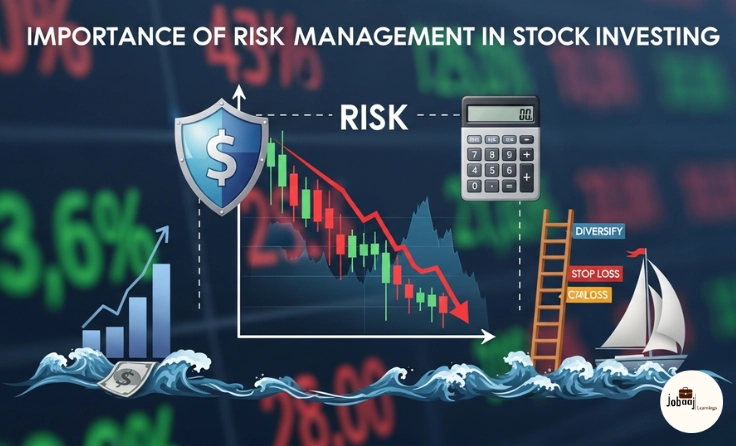
The key is to diversify your investments to minimize risk. Don’t put all your money into one stock. Instead, spread it across different sectors and types of investments to ensure you have a balanced portfolio.
Tips for Beginners to Succeed in the Stock Market
If you’re just getting started with investing in the stock market, here are some tips to help you succeed:
-
Start Small: Begin with a modest amount you’re comfortable with. Don’t invest more than you’re willing to lose, especially in the beginning.
-
Think Long-Term: The stock market rewards patience. Avoid the temptation to constantly check your portfolio and make impulsive decisions based on short-term fluctuations.
-
Diversify: Don’t put all your money into one stock or sector. Invest across various industries to reduce risk and protect yourself against market downturns.
-
Stay Informed: Regularly check market trends, company news, and economic reports. Staying informed will help you make smarter investment decisions.
-
Avoid Emotional Trading: The stock market can be volatile, and it’s easy to get emotional when your investments fluctuate. Stick to your strategy and avoid reacting to short-term ups and downs.
Conclusion
The stock market may seem intimidating at first, but once you break it down, it’s a powerful tool to help you grow your wealth over time. Whether you’re looking to build wealth for the future or simply want to learn how to invest wisely, understanding the basics of the stock market is the first step.
By following the tips shared in this blog, you can begin your journey into investing with confidence. Remember, the stock market isn’t about making quick profits; it’s about long-term growth, patience, and informed decision-making. So, start small, stay steady, and watch your wealth grow as you gain more experience!
Dreaming of a Finance career? Start with Investment Banking Certification with Jobaaj Learnings.
Frequently asked questions
What is the stock market?
The stock market is a place where people buy and sell shares of companies. It's a marketplace where investors can purchase ownership in businesses and potentially earn returns through dividends and stock price appreciation.
How do I start investing in the stock market?
Start by opening a brokerage account, researching stocks you want to invest in, and placing buy orders. Begin with a small amount to minimize risk, and gradually build your portfolio over time.
What is the difference between common and preferred stocks?
Common stock gives you voting rights and potential dividends, while preferred stock offers priority in dividend payments but doesn’t provide voting rights. Both have different risk and return characteristics.
How can I minimize risk in the stock market?
Diversify your portfolio by investing in different stocks, sectors, and asset classes. This helps spread out the risk and minimizes the impact of any single investment performing poorly.
What are dividends in stocks?
Dividends are payments made by companies to their shareholders out of profits. Not all stocks pay dividends, but they can be a good source of passive income for long-term investors.
What should I do if my stocks are losing value?
Don’t panic! The stock market fluctuates, and short-term drops are normal. Stay calm, stick to your long-term strategy, and avoid making emotional decisions. If needed, review your portfolio and make adjustments.

Join 5,00,000+ Subscribers
Be a part of our ever growing community.