Categories








































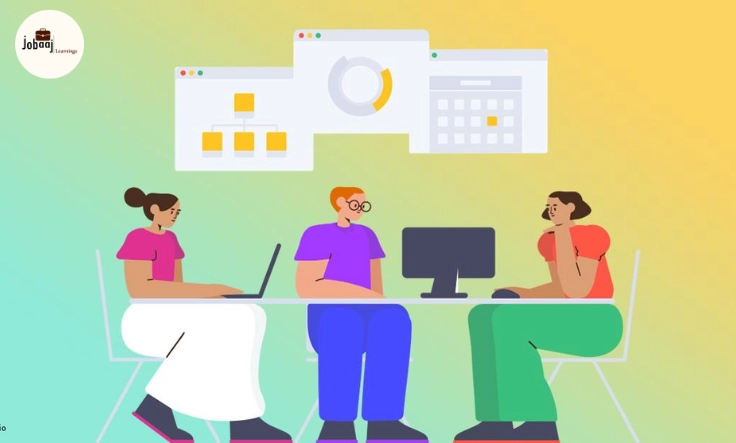
Imagine a new product launch at your company. You’re a product manager (PM), and the design team has created a sleek, user-friendly interface. But something doesn’t feel quite right. As you walk through the user experience (UX) flow, you start seeing areas that could be improved or optimized. You’re not just concerned about aesthetics—you’re thinking about how users interact with the product and how that impacts the overall success.
Exploring a career in Product Management? Apply Now!
This is where the role of a product manager intersects with UX and design decisions. PMs are often seen as the visionaries behind a product, but they also play a crucial role in shaping the design. It’s not just about features or functionality—it’s about creating a product that is intuitive, engaging, and provides the best possible user experience. In this blog, we’ll dive into how product managers influence UX and design decisions throughout the product development process.
The Product Manager’s Role in UX and Design Decisions
As a product manager, your primary role is to ensure the product meets both user needs and business goals. But how does this tie into design and UX decisions? Let’s break it down.
1. Defining the Product Vision and User Needs
The first step in product development is to define the product’s vision and user needs. This is where the product manager’s strategic thinking comes in. PMs gather insights from users, stakeholders, and market research to understand what pain points the product needs to address. They collaborate with design teams to ensure the design aligns with these needs.
-
Example: In a project like Slack, the product manager will need to ensure the design reflects ease of use while accommodating collaboration needs across various teams. They’ll focus on user feedback, making sure the product is both functional and enjoyable to use.
2. Prioritizing Features and User Flow
Once the product’s goals and user needs are defined, the product manager works with the design team to prioritize features and create user flows. The product manager must decide which features deliver the most value to users and prioritize them in the product roadmap.
-
Example: For Spotify, the PM might prioritize the playlist creation feature based on user demand while ensuring the search functionality is streamlined. They’ll collaborate with the UX team to make sure the user flow is seamless and easy to navigate.
3. Bridging the Gap Between Design and Development
A product manager acts as the bridge between the design and development teams. They make sure that the design vision is translated into a functional product. This means ensuring that the development team understands the user experience goals and that the design team understands what is technically feasible within the constraints of time, budget, and resources.
-
Example: When working with Airbnb, the product manager might ensure that the UX team’s design concepts are scalable for different platforms (web, mobile) while working with development teams to ensure responsive design works smoothly across devices.
4. User Testing and Feedback Loops
Product managers are also responsible for ensuring the product meets user expectations. Once a design is ready, the PM works closely with UX designers to conduct user testing and gather feedback. This feedback loop allows teams to iterate on design and functionality, ensuring the product evolves based on real user needs.
-
Example: Instagram frequently tests its design updates through A/B testing to determine which interface changes lead to higher engagement. The product manager ensures the results are integrated into the design process.
5. Measuring Success through Data and Metrics
Once the product is launched, the product manager continues to monitor the UX by analyzing key metrics like user retention, engagement, and conversion rates. They work with the design team to determine how design changes affect these metrics and optimize accordingly.
-
Example: After a Redesign of Twitter’s feed, the PM and UX team will measure how changes impact user engagement, tracking whether the new layout improves retention or increases the number of posts per user.
The Collaboration Between Product Managers and Designers
Product managers and designers work hand-in-hand to create a holistic and user-centered product. Their collaboration is vital for ensuring the final product meets user expectations, is intuitive, and ultimately drives business success. Here’s how the collaboration works:
-
Aligning on Vision: Both PMs and designers must agree on the overarching product vision and ensure the design reflects that vision.
-
User-Centric Design: The PM must bring a user-first mindset to the table, ensuring the product design is usability-focused and tailored to meet users’ needs.
-
Continuous Communication: Regular check-ins and iterative design updates ensure alignment and allow both teams to pivot as needed based on user feedback and data-driven insights.
Conclusion: The Product Manager’s Impact on Design and UX
In today’s product development world, a product manager’s role in UX and design decisions is integral to delivering a successful product. From defining the product vision to ensuring user flows are intuitive, PMs work alongside designers to create products that delight users and meet business goals.
As a product manager, understanding how to make design decisions that enhance the user experience, prioritize features, and collaborate effectively with design teams will set you up for success. Whether you’re working on a mobile app, software tool, or consumer product, a strong focus on UX and design can be the difference between a product that succeeds and one that fades into obscurity.
Dreaming of a Product Management Career? Start with Product Management Certificate with Jobaaj Learnings.
Frequently asked questions
What is the role of a product manager in UX design?
A product manager plays a critical role in ensuring that the product meets user needs and business goals. They collaborate with designers to define the product vision, prioritize features, and ensure a seamless user experience.
How do product managers collaborate with design teams?
Product managers collaborate with design teams by aligning on the product vision, prioritizing features based on user needs, and ensuring that the design aligns with the overall strategy and goals. Regular feedback loops are essential for success.
Why is user testing important in product management?
User testing provides valuable insights into how users interact with the product. Product managers work with design teams to collect feedback and iterate on the product to improve usability and meet customer expectations.
How can a product manager ensure a smooth handoff between design and development teams?
A product manager ensures a smooth handoff by clearly communicating the product vision, user needs, and design specifications to the development team. They also ensure that the design is feasible and aligned with the development process.
What metrics should a product manager track to evaluate UX success?
Key metrics include user retention, engagement, conversion rates, task completion time, and feedback ratings. These metrics help product managers and design teams assess the success of design changes and optimize accordingly.
How does a product manager influence design decisions in a fast-paced environment?
In a fast-paced environment, a product manager influences design decisions by ensuring alignment with business goals, prioritizing critical features, and using data-driven insights to make quick, informed decisions that keep the product moving forward.

Join 5,00,000+ Subscribers
Be a part of our ever growing community.