Categories














/content/learnings/assets/header/ManagementConsulting.svg)
/content/learnings/assets/header/InvestmentBanking.svg)


























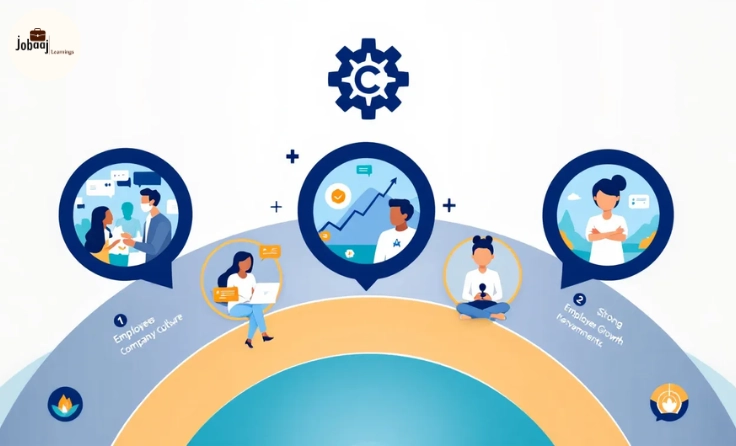
Once upon a time, a company known for its strong performance suddenly found itself facing a huge internal crisis. Employee morale was plummeting, and productivity seemed to be on the decline. Despite high revenue, the company's leadership realized that their organizational culture was failing to adapt to the changing demands of the industry. This is where consultants stepped in to help.
Exploring a career in Management Consulting? Apply Now!
Consultants, often seen as outsiders, hold a critical role in shaping and shifting company culture. Their fresh perspective, coupled with expert strategies, can guide organizations through the maze of cultural transformation. Whether it’s aligning leadership styles, enhancing communication, or fostering a more inclusive environment, consultants are key in driving a positive and sustainable culture shift.
In this blog, we’ll dive deep into the significant role consultants play in organizational change, explore the strategies they use to transform culture, and understand why their involvement is so essential for long-term organizational success. Let’s get started!
Why Organizational Culture Needs to Evolve
Organizational culture is the backbone of any company. It’s the collective behavior, values, and norms that define how employees interact, make decisions, and approach their work. However, in today’s fast-paced business environment, companies are constantly evolving. The factors contributing to a shift in organizational culture include:
-
Technological advancements: With digital transformation taking over industries, the way teams collaborate, communicate, and innovate is changing.
-
Generational shifts: The workforce is increasingly composed of younger generations, who bring new expectations and ideas about work-life balance, diversity, and inclusivity.
-
External factors: Market trends, economic conditions, and societal changes often require organizations to adapt their cultures to stay relevant and competitive.
To stay ahead of the curve, organizations need to embrace change—not just in technology, but also in how they operate internally. That’s where consultants come in, providing the expertise and guidance needed to drive these cultural shifts.
How Consultants Facilitate Cultural Change
Consultants act as catalysts for change within organizations. Their role goes beyond offering advice; they actively engage in the change process to ensure it’s both effective and sustainable. Let’s break down how they achieve this:
-
Assessment of Existing Culture
Before making any changes, consultants begin by thoroughly assessing the current organizational culture. This might involve conducting employee surveys, focus groups, and interviews with leaders to identify existing gaps, challenges, and areas of improvement. -
Defining the Desired Culture
Once the assessment is complete, consultants work closely with leadership to define what the ideal culture should look like. They help organizations articulate their vision and set measurable goals for what they want to achieve. Whether it’s fostering a more collaborative environment or improving communication channels, defining the future culture is key. -
Engaging Leadership
Successful culture shifts often begin at the top. Leadership buy-in is essential for any cultural change to take root. Consultants work with leaders to ensure they embody the new values and demonstrate commitment to the shift, becoming role models for the rest of the organization. -
Training and Development
A significant part of driving culture change involves educating employees at all levels. Consultants design training programs and workshops that help teams adopt new behaviors, improve communication, and develop skills that align with the desired organizational culture. This ensures that everyone is on the same page and working towards the same goals. -
Measuring Progress
Once the changes have been implemented, consultants help organizations measure the success of the culture shift. This involves collecting feedback, tracking key performance indicators (KPIs), and making adjustments as necessary to ensure continuous improvement.
The Psychological Side of Organizational Change
Cultural change isn’t just about processes—it’s about people. Changing the mindset of employees is often the most challenging aspect of cultural transformation. Consultants recognize this and employ psychological strategies to ensure that individuals embrace the shift. Some approaches include:
-
Emotional intelligence: Understanding and managing emotions within the organization can help reduce resistance to change.
-
Behavioral psychology: Consultants use insights from behavioral psychology to create incentives that encourage employees to adopt new behaviors.
-
Coaching: Providing coaching for leaders and employees helps them navigate the emotional complexities that come with change.
The Long-Term Impact of Consultants on Culture Shifts
When consultants drive culture shifts, they are not just influencing short-term behavior. The changes they help implement are designed to transform the organization for the long haul. Over time, these shifts lead to:
-
Improved employee engagement: A positive culture leads to higher morale, better teamwork, and increased job satisfaction.
-
Enhanced performance: With clearer communication, better collaboration, and a focus on shared values, organizations experience higher efficiency and productivity.
-
Attraction of top talent: Organizations with strong, positive cultures are more likely to attract high-quality candidates looking for a workplace that aligns with their values.
Conclusion: Consultants as Architects of Organizational Success
In a world where organizational success is increasingly tied to culture, consultants have become architects of change. By leveraging their expertise in change management, leadership, and employee engagement, they help companies not only adapt to the present but also prepare for the future. Driving cultural transformation is not a quick fix; it’s a strategic investment that ensures companies remain relevant, competitive, and successful in the long run. As organizations continue to evolve, the role of consultants in shaping their culture will only become more vital.
Dreaming of a Management Consulting Career? Start with Management Consulting Certificate with Jobaaj Learnings.
Frequently asked questions
How do consultants help with cultural shifts in organizations?
Consultants help by assessing the current culture, defining the desired culture, engaging leadership, providing training, and measuring progress to ensure the cultural change is effective and sustainable.
Why is organizational culture important for a company's success?
Organizational culture influences employee engagement, productivity, and the overall work environment. A positive culture leads to improved performance and helps attract top talent.
How do consultants assess a company’s existing culture?
Consultants assess a company’s culture through surveys, focus groups, interviews, and feedback from employees and leadership to identify strengths and areas for improvement.
What strategies do consultants use to change organizational culture?
Consultants use a combination of leadership training, team-building activities, workshops, and coaching to help employees adopt new behaviors and align with the company’s cultural goals.
What role does leadership play in cultural change?
Leadership is crucial in driving cultural change. Consultants ensure that leaders are committed to the transformation, set the right example, and actively engage with employees to foster change.
How do consultants ensure long-term success after cultural change?
Consultants help by setting up regular assessments, gathering feedback, and making necessary adjustments to keep the cultural transformation process sustainable over time.

Join 5,00,000+ Subscribers
Be a part of our ever growing community.