Categories




































If you've ever spent time building web pages or diving into JavaScript, you’ve likely encountered the term DOM—short for Document Object Model. But if you’re new to web development, you might be wondering what the DOM actually is and how it fits into the puzzle. Well, think of it this way: the DOM is essentially the bridge between HTML and JavaScript, allowing your scripts to interact with the structure and content of your webpage in real time.
Exploring a career in Web Development? Apply now!
In simpler terms, the DOM is a representation of the structure of your web page in the form of a tree of nodes (elements, attributes, text content, etc.). It enables JavaScript to manipulate and update the content and structure dynamically—without having to reload the entire page. That means with just a little JavaScript, you can change the text, images, links, or even the style of your webpage.
But why is understanding the DOM so important? Well, modern web development relies heavily on it. In 2025, web apps and websites are expected to be more interactive, dynamic, and fast. The DOM is at the heart of it all. So, whether you're a beginner just starting out or someone looking to brush up on your web development knowledge, grasping the basics of the DOM will help you build more engaging and responsive web pages.
What is Web3 and Why Should You Care?
Before you start coding dApps, it’s essential to understand what Web3 actually means. Simply put, Web3 is the next generation of the internet. Unlike Web2, where your data is controlled by a few major tech companies (think Facebook, Google, or Amazon), Web3 is based on decentralization. This means that users, not corporations, have control over their data, making the web more open, secure, and transparent.
To get a clearer picture, think about blockchain technology—the backbone of Web3. Blockchain allows transactions and data to be stored across a network of computers, instead of a single server. This makes it incredibly hard for anyone to alter the data, ensuring trust and security.
But why should web developers care about this shift to Web3? As a developer, Web3 opens up new opportunities to create applications that aren’t just limited to centralized control. You can build applications that put users at the forefront, allowing them to own and control their data. Plus, Web3’s decentralized nature enables peer-to-peer interactions, making it a more secure and transparent platform for building innovative applications.
What are dApps?
If Web3 is the evolution of the internet, then dApps are the building blocks of this new era. But what exactly is a dApp, and how is it different from a traditional application?
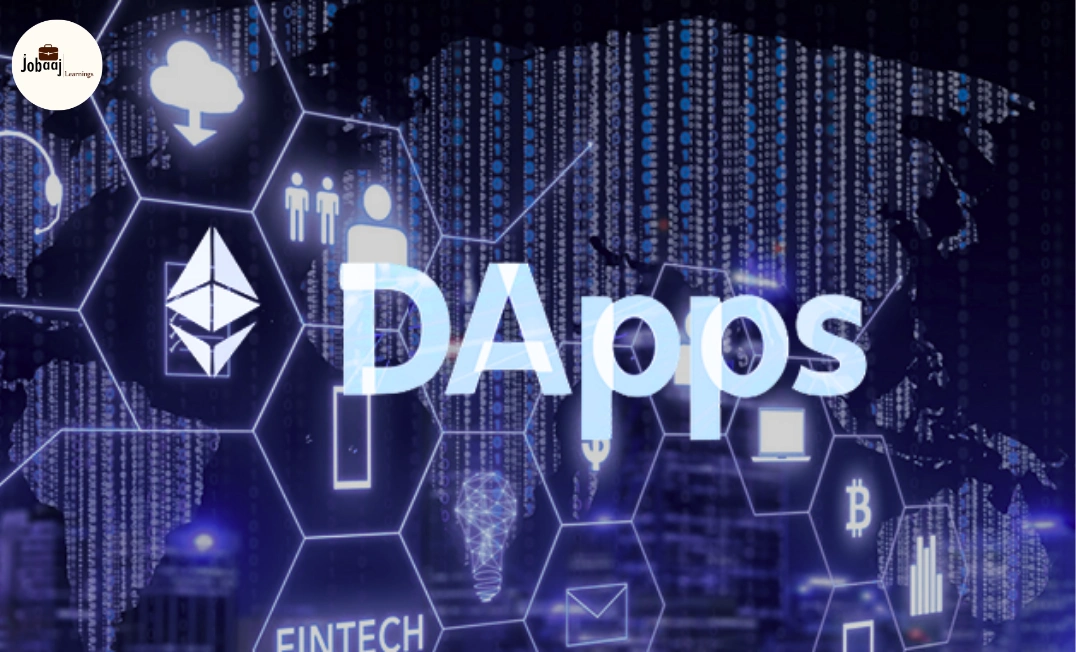
A dApp (decentralized application) is an app that runs on a blockchain network, instead of a central server. Unlike traditional apps that are controlled by a central authority, dApps are open-source and governed by the users.
Here’s an example: Ethereum, one of the most popular blockchain platforms, supports smart contracts, which are essentially self-executing agreements written directly into code. This allows dApps to function without any intermediaries—such as banks, lawyers, or other third parties—creating a more efficient and transparent ecosystem.
How Does Web3 and dApps Work Together?
At the core of Web3 and dApps is the idea of decentralization. This means that the traditional client-server model is replaced with a peer-to-peer network, where users can connect directly without a central authority.
Here’s how Web3 and dApps work together:
-
Blockchain as the Backbone: At the heart of most Web3 applications is the blockchain, which records every transaction or change in a secure and transparent way. This ensures that no single entity controls the data, and users can interact with the app without fear of data manipulation or censorship.
-
Smart Contracts for Automation: Smart contracts are self-executing contracts with the terms of the agreement written directly into code. These are used to automate actions in dApps, such as executing a financial transaction when certain conditions are met. This eliminates the need for intermediaries and allows for trustless transactions.
-
User-Controlled Data: With Web3, users have full control over their data. This is a huge shift from the current model, where large corporations hold and profit from users’ personal information. With Web3, you own your data and can decide how it’s used. dApps are built around this principle, giving users the freedom to interact with decentralized services on their terms.
How to Get Started with Web3 and dApps
So, how do you get started with building dApps? Don’t worry—it’s not as complicated as it might sound. While Web3 and dApps are relatively new, they have gained momentum quickly, and there are plenty of tools, tutorials, and resources available to help you get started.
Here are some steps you can take to dive into Web3 and dApp development:
1. Learn the Basics of Blockchain and Ethereum
To get started with Web3 and dApps, the first thing you need to do is familiarize yourself with the basics of blockchain technology, especially Ethereum. Ethereum is the most popular blockchain platform for developing dApps and smart contracts. Start by understanding the Ethereum network, how it works, and how smart contracts function.
2. Learn Solidity
Solidity is the programming language used to write smart contracts on Ethereum. If you're familiar with JavaScript, you’ll find Solidity quite similar. Spend some time learning the syntax and structure of Solidity, as it’s the foundation for writing decentralized applications.
3. Set Up Your Development Environment
Next, you’ll want to set up your development environment to start building dApps. Some essential tools for dApp development include:
-
Truffle: A development framework for building Ethereum-based applications.
-
Metamask: A browser extension that serves as a wallet for interacting with Ethereum-based dApps.
-
Infura: A service that lets you connect to the Ethereum network without running your own node.
4. Build Your First dApp
Once you’ve grasped the basics, it’s time to build your first dApp. Start with something simple, like a decentralized voting app or a token-based app that uses Ethereum’s ERC-20 token standard. This will help you get hands-on experience and a better understanding of how dApps interact with the Ethereum blockchain.
Tools for Web3 Development
As you dive into the world of Web3 and dApps, you'll need some essential tools to help streamline the development process. Here are a few of the most important tools for building decentralized applications:
-
Metamask: A browser extension that acts as a wallet and gateway to interact with Ethereum-based dApps.
-
Truffle: A framework that helps you develop and deploy smart contracts and dApps on the Ethereum blockchain.
-
Infura: A service that connects your dApp to the Ethereum network without the need to set up your own node.
-
IPFS: A decentralized file storage system for storing large files and data.
-
Alchemy: A platform that provides APIs for Web3 development and helps you scale your dApp.
Conclusion
As Web3 continues to reshape the future of the internet, web developers who embrace this new decentralized world will be at the forefront of a technological revolution. dApps offer the chance to build applications that empower users, give them control over their data, and create transparent, secure systems that eliminate the need for middlemen.
If you’re a web developer eager to explore the future of the web, diving into Web3 and dApp development is an exciting and rewarding challenge. With the right tools and knowledge, you can start building decentralized applications that contribute to the next generation of the internet—an internet that is open, transparent, and truly user-centered.
Start by learning the basics of blockchain, get comfortable with Solidity, and build your first dApp. The world of decentralized applications is still growing, and with the right skills, you can be a part of shaping the future of the web.
Dreaming of a Web Development Career? Start with Web Development Certificate with Jobaaj Learnings.
Frequently asked questions
What is Web3?
Web3 is the next generation of the internet, enabling decentralization, user control over data, and more secure interactions through blockchain technology.
What are dApps?
dApps, or decentralized applications, run on blockchain networks like Ethereum, eliminating the need for centralized control and offering users more privacy and transparency.
How do I start learning Web3 development?
Start by learning the basics of blockchain technology and Ethereum, then focus on Solidity for writing smart contracts. Use tools like Truffle and Web3.js to build and test your dApps.
What tools do I need to build dApps?
Essential tools include Solidity (for smart contracts), Truffle (for smart contract development), Metamask (for wallet interactions), and Infura (for connecting to Ethereum).
What is a smart contract?
Smart contracts are self-executing contracts with the terms of the agreement written into code. They run on blockchains like Ethereum and automate processes without intermediaries.
How does Web3 benefit developers?
Web3 gives developers the chance to create decentralized applications where users have more control over their data, and smart contracts help automate processes securely and transparently.

Join 5,00,000+ Subscribers
Be a part of our ever growing community.