Categories








































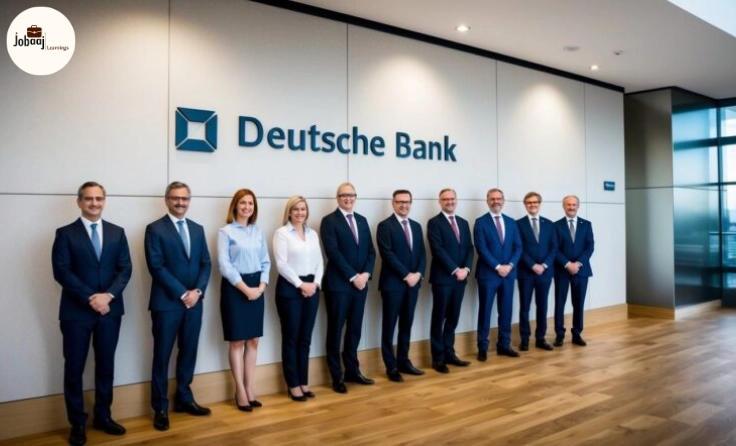
Imagine walking into the sleek, towering headquarters of Deutsche Bank, one of the most prestigious financial institutions globally. The atmosphere is electric, with an air of ambition and high expectations. As you step into the interview room, your heart races, but you’re ready. This is the moment you’ve worked towards, and you’re determined to prove that you have what it takes to thrive in investment banking.
Exploring a career in Investment Banking? Apply now!
However, preparing for an investment banking interview, particularly with a global powerhouse like Deutsche Bank, can be daunting. From mastering technical skills to demonstrating your ability to work under pressure and fit within the firm’s culture, every element of the interview process is designed to test your limits. But with the right preparation, you can confidently face these challenges. In this guide, we’ll walk you through what you can expect in a Deutsche Bank interview and offer tips on how to succeed at each stage, whether it’s technical questions, behavioral assessments, or case studies.
1. Technical Questions – Show Your Expertise
When you’re interviewing for an investment banking role at Deutsche Bank, expect a heavy focus on your technical knowledge. The bank is known for its rigorous approach, and it’s essential to demonstrate that you understand the core financial concepts and valuation methods. Here are some of the areas you should prepare for:
Valuation Methods:
Valuation is a cornerstone of investment banking, and at Deutsche Bank, you’ll likely be asked to walk through various methods, such as Discounted Cash Flow (DCF), Comparable Company Analysis (CCA), and Precedent Transactions. Be prepared to explain how you would approach a company valuation and when each method is most appropriate. A solid understanding of these techniques and their nuances will show the interviewers that you have the technical chops to succeed.
Financial Statements:
You’ll need to be comfortable discussing the three primary financial statements: the Income Statement, Balance Sheet, and Cash Flow Statement. These are fundamental to financial analysis and can often be used in situational questions. You may be asked to explain how these statements relate to one another, how changes in one affect the others, and what insights they provide about a company’s financial health.
WACC (Weighted Average Cost of Capital):
One of the most critical metrics in finance, WACC plays an essential role in valuation and financial modeling. You might be asked to explain how to calculate WACC, why it’s important, and how it impacts valuations, especially in DCF modeling. Ensure that you understand the components, such as the cost of debt and equity, and their respective weights.
Mergers & Acquisitions (M&A):
Given that Deutsche Bank is deeply involved in M&A, you’ll likely encounter questions on M&A processes. Be ready to explain how you would evaluate an M&A deal, what synergies might be involved, and how to assess whether a deal is accretive or dilutive to earnings. You may also be asked to discuss deal structures, risks, and potential strategies for financing M&As.
Leveraged Buyouts (LBOs):
An LBO is another key concept in investment banking. You may be asked to explain how LBOs work, how to evaluate them, and the factors that affect a company’s ability to take on leverage. This could be followed by questions on debt structures, cash flow generation, and the exit strategy in an LBO scenario.
Risk and Return:
Investment banking is all about managing risk while maximizing returns. Be prepared to discuss how risk is measured, including concepts like beta, CAPM (Capital Asset Pricing Model), and diversification. The interviewer may want to understand how you assess risk and manage it in your investment strategies.
2. Behavioral Questions – Proving Your Cultural Fit
While technical expertise is vital, Deutsche Bank also cares deeply about whether you fit into the company’s collaborative, fast-paced environment. The behavioral portion of the interview is your opportunity to demonstrate that you’re not only a skilled financial professional but also someone who thrives under pressure and works well with others.
Why Investment Banking?
This is one of the first and most common questions you’ll encounter. The interviewer wants to understand your motivation and passion for the industry. Is it the problem-solving aspect of the job? The excitement of working with high-profile clients? The competitive nature of the industry? Be honest about your reasons, but also show that you understand the challenges and rewards of investment banking.
Tell Me About a Time You Worked Under Pressure
In investment banking, pressure is a constant companion. The interviewer will want to know how you handle it. Think back to a time when you were under a tight deadline or faced a difficult situation that required you to stay calm and focused. Explain how you prioritized tasks, managed your time, and delivered results despite the pressure.
Describe a Time You Worked in a Team
Teamwork is essential in investment banking, and Deutsche Bank values collaboration. Be ready to share an example of how you worked effectively in a team, especially under difficult circumstances. Focus on how you contributed to the team’s success, navigated differing opinions, and ensured that everyone worked toward the common goal.
Tell Me About a Time You Overcame a Challenge
This question assesses your problem-solving abilities and resilience. Think of a challenging situation you faced—whether it was a project deadline, an interpersonal conflict, or a financial analysis problem—and explain how you overcame it. Be sure to emphasize the steps you took to resolve the situation and the positive outcomes that resulted.
Why Deutsche Bank?
This is where your research on the company will pay off. Demonstrate that you’ve done your homework on Deutsche Bank by discussing specific reasons why you’re drawn to the firm. Is it their global presence, their focus on innovation, or their commitment to sustainability? Your answer should reflect both your understanding of the bank’s values and how they align with your career aspirations.
3. Case Studies – Applying Your Knowledge to Real Scenarios
In addition to technical and behavioral questions, you can expect case studies during your interview. These assess your analytical skills, your ability to think on your feet, and how you approach real-world business problems.
Understand the Problem Thoroughly
Don’t rush into your solution. Take the time to understand the case fully before starting your analysis. Ask clarifying questions if needed. It’s essential to approach each case methodically.
Structure Your Approach Clearly
The key to a successful case study interview is presenting a clear, structured approach. Break the problem down into manageable parts and explain how you would tackle each one. Use financial metrics and techniques you’ve learned to support your analysis.
Focus on Relevant Data
Whenever possible, use specific financial data to inform your analysis. For example, if you’re given financial statements, reference them as you make decisions. Providing data-driven recommendations shows that you can think critically and analytically.
Provide Clear, Actionable Recommendations
Once you’ve walked through your analysis, end with clear recommendations. Make sure your conclusions are practical, well-supported, and based on the data at hand. Employers are looking for candidates who can translate their analysis into actionable insights.
4. Market Awareness – Staying Informed
As an investment banker at Deutsche Bank, you’ll need to be aware of global financial markets and economic trends. Be prepared to discuss recent market developments and their impact on investment strategies.
Global Market Trends
You may be asked about current market trends, such as changes in interest rates, shifts in global supply chains, or economic indicators like inflation. Stay updated on major market events, such as interest rate hikes by central banks or geopolitical events that may influence the financial markets.
Deutsche Bank’s Position in the Market
Being able to speak knowledgeably about Deutsche Bank’s recent strategic moves—whether it’s a major acquisition, a new investment, or a significant partnership—will demonstrate that you’re genuinely interested in the firm and its future.
Conclusion
Landing an interview at Deutsche Bank is a huge achievement, but it’s just the first step. The interview itself will challenge you to prove your technical expertise, behavioral fit, and market awareness. It’s important to prepare for both the technical and non-technical aspects of the interview. While your ability to solve complex financial problems will be tested, your interpersonal skills and your ability to thrive under pressure will also be under scrutiny. By understanding what to expect and preparing thoroughly, you’ll increase your chances of making a lasting impression and securing your place at one of the world’s leading investment banks.
Good luck in your preparation, and remember—confidence, combined with solid technical knowledge and a clear understanding of the firm, is key to acing your Deutsche Bank investment banking interview.
Dreaming of a Finance career? Start with Investment Banking Certification with Jobaaj Learnings.
Frequently asked questions
What are the key technical questions in an investment banking interview at Deutsche Bank?
Expect questions on valuation techniques, financial statements, WACC, and M&A. Be prepared to explain and apply concepts like DCF, EBITDA, and LBOs.
How do I prepare for the behavioral questions in an investment banking interview?
Focus on examples where you’ve demonstrated teamwork, leadership, and problem-solving skills. Use the STAR method (Situation, Task, Action, Result) to structure your answers.
What type of case study can I expect at Deutsche Bank?
Case studies often involve analyzing a company's financials or assessing the viability of an M&A deal. Be sure to use financial metrics and present your findings clearly.
What recent trends should I be aware of before my Deutsche Bank interview?
Stay informed on market trends such as interest rate changes, inflation, and major M&A deals. Knowledge of Deutsche Bank’s recent acquisitions and strategic initiatives will also help.
How can I demonstrate my passion for finance during the interview?
Show your enthusiasm by discussing why you’re drawn to investment banking, how your skills align with the role, and why you’re specifically interested in working at Deutsche Bank.
What’s the best way to handle stress during the interview?
Stay calm, take a deep breath, and approach each question methodically. Showing your ability to remain composed under pressure will leave a strong impression.

Join 5,00,000+ Subscribers
Be a part of our ever growing community.
Related reads

Top 42 Financial Modeling Interview Questions and Answers
Ankit's Jobaaj Learnings Review: From Inventory to Remote Financial Controller at Blue Polaris