Categories














/content/learnings/assets/header/ManagementConsulting.svg)
/content/learnings/assets/header/InvestmentBanking.svg)

























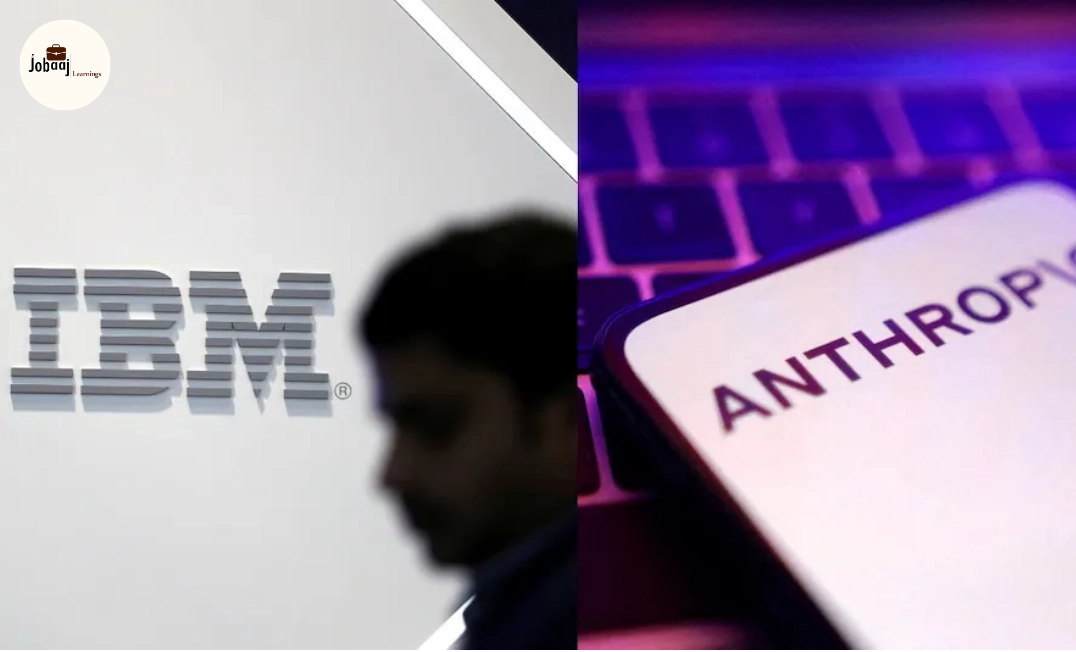
In the fast-paced world of technology, market reactions to major announcements can be swift and dramatic. One such incident occurred recently when Anthropic's Claude AI made headlines for its ability to rewrite COBOL code a game-changer for the programming industry, particularly for legacy systems. The news had a direct and noticeable impact on IBM's stock, causing a sharp decline in its value.
But why did IBM, one of the largest technology companies in the world, see its stock crash after Anthropic’s Claude COBOL announcement? In this blog, we’ll explore the reasons behind this market reaction, the potential implications for IBM, and what it means for the future of AI and legacy systems.
What Happened with Claude and COBOL?
To understand why IBM's stock fell, it’s crucial to first grasp the significance of the announcement regarding Claude and COBOL. COBOL (Common Business-Oriented Language) has been a cornerstone of financial systems, government infrastructure, and large corporations for decades. However, the language is now considered outdated, and many organizations are facing challenges when it comes to maintaining and updating COBOL-based systems.
Anthropic's Claude an advanced AI language model made waves by showcasing its ability to rewrite COBOL code quickly and efficiently, thus potentially reducing the need for human engineers to manage and update these legacy systems. The AI's capability to automate this task led to an outpouring of excitement in the tech community, with many seeing it as a revolutionary step in handling legacy code.
Why Did This Cause IBM’s Stock to Crash?
While the announcement of Claude’s capabilities was groundbreaking, the immediate impact on IBM's stock can be attributed to several factors, both strategic and financial. Here’s why investors reacted the way they did:
1. IBM’s Core Business is Tied to Legacy Systems
IBM has been a leader in providing enterprise solutions, including software and services for legacy systems that are built on languages like COBOL. For years, IBM’s mainframe business has relied on legacy code support for its large customers, especially in the banking and finance sectors.
When Claude AI entered the picture, it signaled that AI could potentially replace much of the human effort involved in maintaining and updating these COBOL-based systems. This directly threatened IBM’s traditional business model, which has long been built on providing mainframe services and legacy system support.
2. Market Concerns Over IBM’s Ability to Adapt
While AI and automation have been key focuses of IBM’s strategy, the company’s transition to cloud services and AI has been met with mixed results. Investors are always wary of companies that rely too heavily on legacy business lines, especially when there’s a disruptive force in the market.
In this case, Claude’s ability to automate COBOL rewriting raised doubts about IBM’s ability to compete in the face of such advanced technology. The market speculated that IBM might be too slow to pivot away from its reliance on legacy systems and might struggle to incorporate newer AI tools in a way that could maintain its competitive edge.
3. The Competitive Threat from Anthropic’s Claude
With Anthropic’s Claude presenting itself as a cutting-edge AI tool for automating tasks traditionally handled by human engineers, it created a new competitive threat in the marketplace. If AI could effectively take over the task of COBOL code rewriting, IBM's mainframe division a significant part of its business could see reduced demand for its human resources.
This move from Anthropic was seen as a major disruption in the legacy system maintenance market, which had been a primary source of revenue for IBM. With AI stepping in, investors feared that IBM’s market share in this space could shrink rapidly, leading to a decline in revenue and a slowdown in growth.
4. Investor Anxiety Over IBM’s Future in AI and Automation
The announcement highlighted how quickly new AI technologies are evolving, which might have left investors questioning whether IBM’s AI initiatives were advancing at the same pace. Despite IBM’s ongoing investment in AI, including the launch of Watson, the company has struggled to capture the same level of attention or growth as newer players in the AI market like Anthropic and OpenAI.
As investors saw the powerful potential of Claude AI in disrupting industries, including those that IBM heavily relied on, anxiety about IBM’s future prospects grew. The market reacted by selling off shares, leading to a sharp drop in stock value.
What Does This Mean for IBM and the Future of AI in Legacy Systems?
While the news caused a temporary shock to IBM’s stock, it’s important to consider the broader implications. In the long run, AI-driven automation in legacy system maintenance may not be an immediate replacement for human engineers. Businesses will still need AI systems that are adaptable, secure, and integrated with their existing infrastructure. IBM has the resources and expertise to potentially partner with AI developers like Anthropic or build its own AI tools to stay competitive.
Moreover, IBM’s shift towards AI and cloud computing could open up new revenue streams and reduce its dependency on legacy systems. If IBM can leverage its extensive experience with enterprise clients and integrate AI into their business solutions, it might find new growth opportunities even in the face of disruptions like Claude AI.
Conclusion
The sudden drop in IBM’s stock following Anthropic’s announcement is a reminder of how disruptive technologies can challenge even the most established companies. While AI tools like Claude offer exciting possibilities, especially in terms of automation and efficiency, IBM’s deep-rooted expertise in legacy systems gives it a foundation to adapt and innovate.
For investors and businesses alike, the key takeaway is that AI technologies are rapidly transforming industries, but the transition requires careful adaptation and the ability to integrate new solutions while maintaining business continuity. In 2026, companies like IBM that embrace AI and automation are likely to emerge stronger, provided they can evolve their offerings and stay ahead of the competition.
Ready to Dive into the World of Generative AI? Start your journey with the Generative AI Program from Jobaaj Learnings!
Frequently asked questions
What caused IBM’s stock to crash after Anthropic’s Claude COBOL announcement?
IBM's stock dropped due to market concerns over how Claude AI’s capabilities in automating COBOL rewriting could disrupt IBM’s legacy systems business, which has long been a significant revenue stream for the company. Investors feared that AI tools like Claude might make IBM's human-driven services redundant and erode market share in the enterprise sector.
What is Claude AI and how does it affect legacy systems?
Claude AI is a powerful AI language model developed by Anthropic. It can rewrite COBOL code, a task traditionally done by human engineers. This capability has disrupted the legacy systems maintenance market, which has long been a stronghold for companies like IBM.
Will IBM be able to adapt to the rise of AI tools like Claude?
While the rise of AI tools like Claude poses challenges, IBM has a long history of adapting to technological shifts. The company’s deep expertise in enterprise solutions and legacy systems positions it to leverage AI technologies and build new AI-driven services that could complement its existing offerings.
Is AI replacing human engineers in COBOL code maintenance?
AI tools like Claude can assist in automating COBOL code maintenance, but human engineers are still crucial for ensuring code quality, understanding the context, and managing complex business processes. AI tools are seen as assistive rather than fully replacing human roles in the industry.
What does the future hold for IBM in the AI-driven world?
The future of IBM in the AI-driven world will depend on how well it can integrate AI technologies like Claude into its business models and legacy system offerings. IBM has the opportunity to stay relevant by pivoting towards AI and cloud solutions, creating new growth avenues in the evolving tech landscape.

Join 5,00,000+ Subscribers
Be a part of our ever growing community.