Categories








































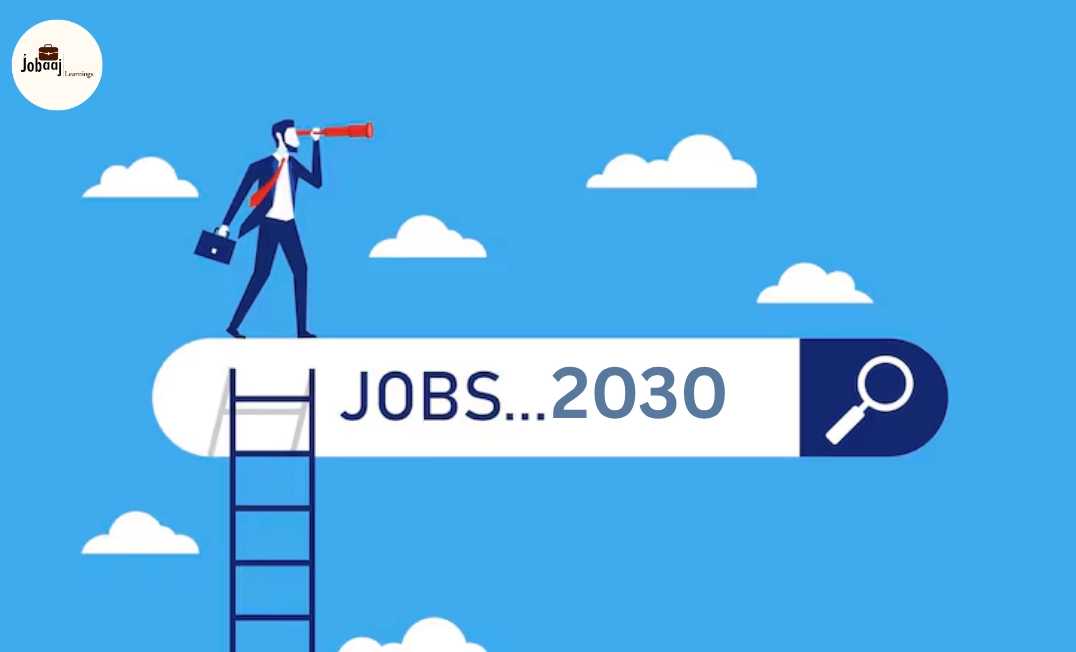
For decades, getting a degree was considered the safest path to a successful career.
A good college, a recognised qualification and strong academic performance were often enough to open career opportunities.
But the job market is changing.
Technology, artificial intelligence, automation and global competition are transforming the way companies hire people.
A degree still matters, but employers are increasingly asking a different question:
"What can you actually do?"
By 2030, practical skills, adaptability and the ability to solve real problems may become just as important, or even more valuable, than a traditional qualification for many careers.
This does not mean degrees will become useless.
Instead, the advantage will go to people who combine education with skills that create measurable value.
Here are seven skills that could become extremely valuable by 2030.
1. Artificial Intelligence (AI) Skills
Artificial intelligence is becoming part of almost every industry.
Companies are using AI for:
- Customer service
- Data analysis
- Marketing
- Software development
- Research
- Automation
- Decision-making
Professionals who understand how to use AI tools effectively will have a major advantage.
The future may not be about humans competing with AI.
It will be about humans who know how to work with AI outperforming those who do not.
Important AI Skills to Learn
Students do not necessarily need to become AI researchers.
Practical AI skills include:
- Using AI productivity tools
- Writing effective prompts
- Understanding AI limitations
- Automating repetitive tasks
- Using AI for research and analysis
- Understanding AI ethics
Useful Tools
- ChatGPT
- Claude
- Gemini
- Microsoft Copilot
- Perplexity
- Midjourney
Career Opportunities
AI skills can support careers in:
- Product Management
- Marketing
- Data Analytics
- Software Development
- Business Analysis
- Consulting
- Operations
2. Data Analysis and Data Literacy
Every company generates data.
However, data itself is not valuable unless someone can understand it and convert it into decisions.
Companies need professionals who can answer:
- What is happening?
- Why is it happening?
- What should we do next?
That is why data literacy is becoming important across industries.
Important Data Skills
Learn:
- Excel
- SQL
- Data visualization
- Statistics basics
- Dashboard creation
- Business reporting
Popular Tools
- Microsoft Excel
- Power BI
- Tableau
- SQL
- Python
Career Opportunities
Data skills can help you enter roles like:
- Data Analyst
- Business Analyst
- Product Analyst
- Marketing Analyst
- Operations Analyst
Even non-technical professionals can benefit from understanding data.
A marketing manager who understands customer data can make better campaigns.
A finance professional who understands analytics can make better decisions.
3. Problem-Solving and Critical Thinking
Technology can automate many repetitive tasks.
But solving complex problems requires human judgement.
Companies will always need people who can:
- Identify problems
- Analyse situations
- Make decisions
- Find practical solutions
Critical thinking is valuable because it cannot be replaced easily by automation.
How to Improve Problem-Solving Skills
Practice:
- Asking better questions
- Understanding root causes
- Breaking large problems into smaller parts
- Comparing different solutions
- Making decisions using evidence
Example
A company sees declining sales.
A weak approach:
"Sales are down. We need more advertising."
A problem-solving approach:
"Why are sales declining? Is the issue pricing, customer experience, product quality, competition or website performance?"
The second approach creates better decisions.
Career Areas Where It Helps
- Consulting
- Product Management
- Business Analysis
- Entrepreneurship
- Leadership roles
4. Communication and Storytelling
Having knowledge is not enough.
You need to explain ideas clearly.
A person who can communicate complex information simply can influence decisions and create opportunities.
This is especially important because companies now work with:
- Remote teams
- Global customers
- Cross-functional teams
Important Communication Skills
Learn:
- Presentation skills
- Business writing
- Storytelling
- Negotiation
- Active listening
- Explaining technical concepts simply
Example
A Data Analyst does not create value by making a dashboard.
The real value comes from explaining:
"Customer retention decreased because new users are not completing onboarding. Improving the first-week experience can increase retention."
The insight matters more than the chart.
Career Opportunities
Strong communication helps in:
- Management
- Sales
- Marketing
- Consulting
- Product Management
- Leadership roles
5. Digital Marketing and Customer Understanding
Businesses will always need customers.
Even with advanced technology, companies need people who understand:
- Customer behaviour
- Market trends
- Advertising
- Brand building
- Growth strategies
Digital marketing has become a data-driven field rather than just creative advertising.
Important Skills
Learn:
- SEO
- Google Ads
- Meta Ads
- Content Marketing
- Analytics
- Conversion Optimization
- Customer Research
Tools
- Google Analytics
- Google Ads
- Meta Ads Manager
- HubSpot
- Canva
- SEMrush
Career Opportunities
Digital skills can lead to roles like:
- Performance Marketer
- Growth Marketer
- SEO Specialist
- Content Strategist
- Marketing Analyst
These skills are also useful for entrepreneurs building their own businesses.
6. Adaptability and Continuous Learning
The biggest career challenge in the future will not be learning one skill.
It will be keeping your skills updated.
Technology changes quickly.
A skill that is highly valuable today may become less important after a few years.
People who can learn quickly will have a major advantage.
How to Become More Adaptable
Develop habits like:
- Learning new tools regularly
- Following industry changes
- Taking online courses
- Building projects
- Experimenting with technology
Example
A digital marketer who only knows traditional advertising may struggle.
A digital marketer who learns AI tools, analytics and automation can adapt to new opportunities.
Career Impact
Adaptability helps professionals survive changes in:
- Technology
- Industries
- Job roles
- Business models
7. Leadership and Emotional Intelligence
As AI handles more technical and repetitive work, human skills will become even more valuable.
Companies need people who can:
- Work with teams
- Handle conflicts
- Motivate others
- Understand emotions
- Make responsible decisions
Important Emotional Intelligence Skills
Develop:
- Self-awareness
- Empathy
- Collaboration
- Conflict management
- Decision-making
Why Companies Value It
A technically skilled person who cannot communicate or work with others can limit team performance.
A person who combines technical knowledge with leadership ability can create bigger impact.
Career Opportunities
Emotional intelligence helps in:
- Management
- Entrepreneurship
- Consulting
- Product roles
- Team leadership
Degree vs Skills: What Will Matter More in 2030?
The debate is not really:
Degree vs Skills
The better question is:
Degree + Skills vs Degree Alone
A degree provides:
- Foundation knowledge
- Structured learning
- Networking opportunities
- Credibility
Skills provide:
- Practical ability
- Career flexibility
- Real-world problem-solving ability
- Better adaptability
The strongest candidates will combine both.
For example:
A finance graduate with AI and data skills can become a stronger finance analyst.
A marketing graduate with analytics and automation skills can become a better growth marketer.
A computer science graduate with communication skills can become a better product leader.
How Students Can Prepare for 2030
Step 1: Build One Technical Skill
Choose one area:
- Data Analytics
- AI
- Programming
- Digital Marketing
- Cybersecurity
- Cloud Technology
Step 2: Develop Business Understanding
Technology alone is not enough.
Learn:
- How companies make money
- Customer behaviour
- Market trends
- Business models
Step 3: Create Real Projects
Projects prove your ability.
Examples:
- Build a dashboard
- Analyse a business problem
- Create a marketing campaign
- Build an AI workflow
- Design a product case study
Step 4: Improve Communication
Practice:
- Writing online
- Presentations
- Explaining concepts
- Sharing your work
Step 5: Keep Learning
Future careers will reward people who continue improving.
Skills That May Have High Demand by 2030
Some areas expected to grow strongly include:
Artificial Intelligence
AI adoption across industries will increase demand for professionals who understand AI tools and applications.
Data and Analytics
Companies will continue needing people who can convert data into business decisions.
Cybersecurity
Increasing digital dependency will create demand for security professionals.
Product Management
Companies will need professionals who can connect customer needs, technology and business goals.
Automation
Businesses will continue looking for ways to reduce repetitive work.
Conclusion
The future of careers will not be decided only by degrees or job titles.
It will be decided by your ability to learn, adapt and create value.
A degree can open the first door.
But skills determine how far you can go.
By 2030, the most successful professionals will likely be those who combine:
- Technology knowledge
- Business understanding
- Creativity
- Communication
- Continuous learning
The goal should not be to collect more certificates.
The goal should be to become someone who can solve valuable problems.
Frequently asked questions
Will degrees become useless by 2030?
No, degrees will still have value. They provide foundational knowledge, credibility and networking opportunities. However, employers are increasingly looking for practical skills, experience and the ability to solve real-world problems alongside academic qualifications.
Which skill will be most valuable in 2030?
There may not be one single most valuable skill. AI literacy, data analysis, problem-solving, communication and adaptability are expected to be highly valuable because they apply across multiple industries and career paths.
Can skills replace a college degree?
In some industries and roles, strong skills and practical experience can create opportunities without traditional degrees. However, combining education with relevant skills usually provides the strongest career advantage.
What should students learn first for future careers?
Students should start with skills that match their interests. AI, data analysis, communication, digital marketing and problem-solving are useful foundations that can support many different career paths.
How can I develop future skills without spending a lot of money?
Students can learn through free resources, online courses, projects, internships and practice. The most important step is applying knowledge through real projects instead of only watching tutorials.

Join 5,00,000+ Subscribers
Be a part of our ever growing community.