Categories














/content/learnings/assets/header/ManagementConsulting.svg)
/content/learnings/assets/header/InvestmentBanking.svg)


























/content/learnings/assets/header/programs/1.png)
/content/learnings/assets/header/programs/4.png)


In 2026, web development continues to evolve rapidly, with full-stack developers at the heart of this transformation. Full-stack developers are skilled professionals who can work on both the front-end and back-end of web applications. Whether you're looking to become a full-stack developer or enhance your current skill set, understanding the steps you need to take is crucial.
Exploring a career in Web Development? Apply now!
A full-stack developer's role is vital because they possess the unique ability to handle both the user interface and the server-side functionality of a website or web application. This versatility makes them highly sought after by companies. But how do you become a full-stack developer? And what skills should you focus on?
This step-by-step guide will break down the learning process, covering everything you need to know to become a full-stack developer in 2026. Whether you’re a beginner or an experienced developer, this blog will help you navigate the journey to becoming a proficient full-stack developer.
What is a Full-Stack Developer?
Before we jump into the roadmap, let’s clarify what a full-stack developer is. A full-stack developer is proficient in both front-end and back-end development. They have the skills to create an entire web application—from designing the user interface to managing databases and server-side logic.
A full-stack developer’s responsibilities typically include:
-
Designing the user interface (UI) and ensuring an excellent user experience (UX).
-
Building the server-side logic and managing databases.
-
Ensuring seamless communication between the front-end and back-end systems.
-
Writing APIs to exchange data between the client-side and the server-side.
Why Become a Full-Stack Developer in 2026?
In 2026, the demand for full-stack developers is on the rise, driven by companies looking for versatile and adaptable developers who can handle all aspects of web development. Here are a few reasons why becoming a full-stack developer is an excellent career move:
-
High Demand and Job Opportunities: Full-stack developers are in high demand, especially as companies look to streamline their development processes and save costs by hiring developers with a broad skill set.
-
Versatility and Flexibility: As a full-stack developer, you can work on both the front-end and back-end, giving you more opportunities to work on diverse projects and collaborate with teams across different domains.
-
Increased Earning Potential: Full-stack developers command competitive salaries due to their diverse skill set and the value they bring to a project.
-
Career Growth and Job Satisfaction: Full-stack development allows for continuous learning and offers ample opportunities for career advancement. As companies scale, full-stack developers have the chance to take on more leadership roles, such as tech lead or architect.
Step-by-Step Guide to Becoming a Full-Stack Developer
Step 1: Master the Basics of Web Development
Before diving into full-stack development, it’s essential to understand the fundamentals of web development. You need a solid grasp of front-end and back-end technologies, including HTML, CSS, and JavaScript.
Core Technologies to Learn:
-
HTML: The foundation of web development, HTML is used to create the structure of web pages.
-
CSS: CSS is used for styling the content and ensuring a visually appealing layout.
-
JavaScript: JavaScript is a programming language that allows you to create dynamic and interactive elements on your web pages.
Step 2: Learn Front-End Development
As a full-stack developer, you need to be comfortable working with the front-end—the user-facing part of the website. Front-end development focuses on creating a visually attractive and functional user interface (UI).
Key Front-End Technologies to Learn:
-
HTML5 & CSS3: The latest versions of HTML and CSS, essential for structuring and styling modern web applications.
-
JavaScript & Frameworks: JavaScript is the backbone of interactivity on the web. To make development more efficient, learn frameworks like React.js, Angular, or Vue.js.
-
Responsive Design: Learn to make your websites mobile-friendly using frameworks like Bootstrap and media queries in CSS.
-
Version Control with Git: Git helps you manage code changes and collaborate effectively with other developers.
Step 3: Learn Back-End Development
Once you’re comfortable with front-end development, it’s time to dive into back-end development. Back-end development involves working with databases, server-side logic, and APIs to handle the functionality of the website.
Key Back-End Technologies to Learn:
-
Programming Languages: Start with languages like Node.js (JavaScript), Python, Ruby, or PHP. These are the primary languages used in back-end development.
-
Databases: Learn how to interact with databases using SQL and NoSQL. Popular databases include MySQL, PostgreSQL, MongoDB, and Firebase.
-
Server-Side Frameworks: Learn to work with back-end frameworks like Express.js (for Node.js), Django (for Python), or Ruby on Rails.
-
APIs (REST & GraphQL): Understand how to build and consume APIs to allow communication between the front-end and back-end.
Step 4: Learn Full-Stack Development Frameworks
A full-stack developer should be familiar with the frameworks that allow them to work efficiently with both the front-end and back-end. These frameworks help you build and deploy scalable web applications.
Popular Full-Stack Frameworks:
-
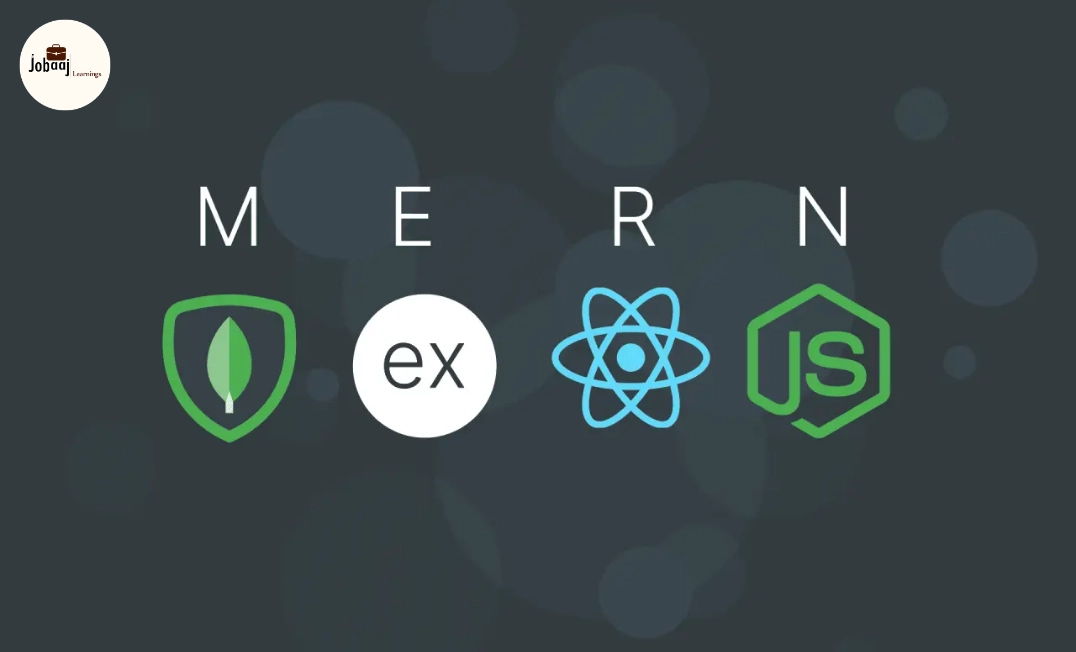
MERN Stack: The MERN stack combines MongoDB, Express.js, React, and Node.js to create full-stack JavaScript applications.
-
MEAN Stack: Similar to the MERN stack but using Angular in place of React.
-
LAMP Stack: Learn Linux, Apache, MySQL, and PHP for a traditional full-stack approach.
-
Django & React: For Python-based back-end development with React for the front-end.
Step 5: Work on Projects
Once you’ve mastered the basic concepts, the best way to solidify your skills is by building real-world projects. This will give you hands-on experience and allow you to apply everything you’ve learned.
Project Ideas:
-
Build a personal portfolio website.
-
Create a task management app with authentication.
-
Develop an e-commerce website with payment gateway integration.
-
Create a blogging platform where users can write, edit, and publish articles.
Working on these projects will give you a deeper understanding of the challenges and solutions in full-stack development.
Step 6: Learn Deployment and Hosting
As a full-stack developer, you must know how to deploy your web applications so that they are accessible to users. Learn how to deploy both front-end and back-end code to cloud platforms like AWS, Google Cloud, or Heroku.
Deployment Tools to Learn:
-
Docker: Learn how to containerize applications and deploy them consistently across different environments.
-
CI/CD Pipelines: Automate testing, building, and deployment with continuous integration and continuous deployment tools like Jenkins or Travis CI.
Step 7: Stay Updated with New Technologies
Web development is a rapidly changing field, and new tools, frameworks, and technologies are constantly emerging. Stay up-to-date with the latest trends in web development to ensure you remain competitive in the industry.
Tech Trends in 2026:
-
Progressive Web Apps (PWAs): Apps that work seamlessly across devices, even offline.
-
AI and Machine Learning Integration: Learn how to build intelligent applications that provide personalized experiences.
-
Serverless Computing: Get familiar with serverless architecture for easier and more cost-effective deployments.
Conclusion
Becoming a full-stack developer in 2026 is a rewarding journey that involves continuous learning and adapting to new technologies. By mastering both front-end and back-end skills, learning full-stack frameworks, and staying updated with industry trends, you’ll be well on your way to a successful career in web development.
Whether you're just starting or looking to level up your skills, following this roadmap will give you a clear path to becoming a proficient full-stack developer. The demand for full-stack developers is growing rapidly, and with the right skills and mindset, you’ll be ready to seize the exciting career opportunities that await you.
So, what are you waiting for? Start your journey today and take the first step toward becoming a successful full-stack developer!
Dreaming of a Web Development Career? Start with Web Development Certificate with Jobaaj Learnings.
Frequently asked questions
What is a full-stack developer?
A full-stack developer is a web developer who is skilled in both front-end and back-end technologies. They can work on both the user-facing side (UI) and the server-side (back-end) of web applications, making them versatile in creating complete web solutions.
What technologies do I need to learn to become a full-stack developer?
To become a full-stack developer, you should learn HTML, CSS, JavaScript for front-end development, and back-end technologies like Node.js, Python, Ruby, or PHP. You should also be familiar with databases (SQL/NoSQL), web frameworks, and version control systems like Git.
How long does it take to become a full-stack developer?
The time it takes to become a full-stack developer varies depending on your background and how much time you can dedicate to learning. On average, it can take anywhere from 6 months to 2 years to acquire the necessary skills if you’re starting from scratch.
What is the difference between front-end, back-end, and full-stack development?
Front-end development focuses on building the user interface of a website, while back-end development involves working with servers, databases, and application logic. Full-stack development covers both front-end and back-end, allowing developers to work on every aspect of a web application.
Is full-stack development a good career in 2026?
Yes, full-stack development is a highly sought-after skill, and the demand for full-stack developers is expected to continue growing in 2026. Full-stack developers can work on both sides of a project, which makes them valuable assets to companies in various industries.

Join 5,00,000+ Subscribers
Be a part of our ever growing community.