Categories







































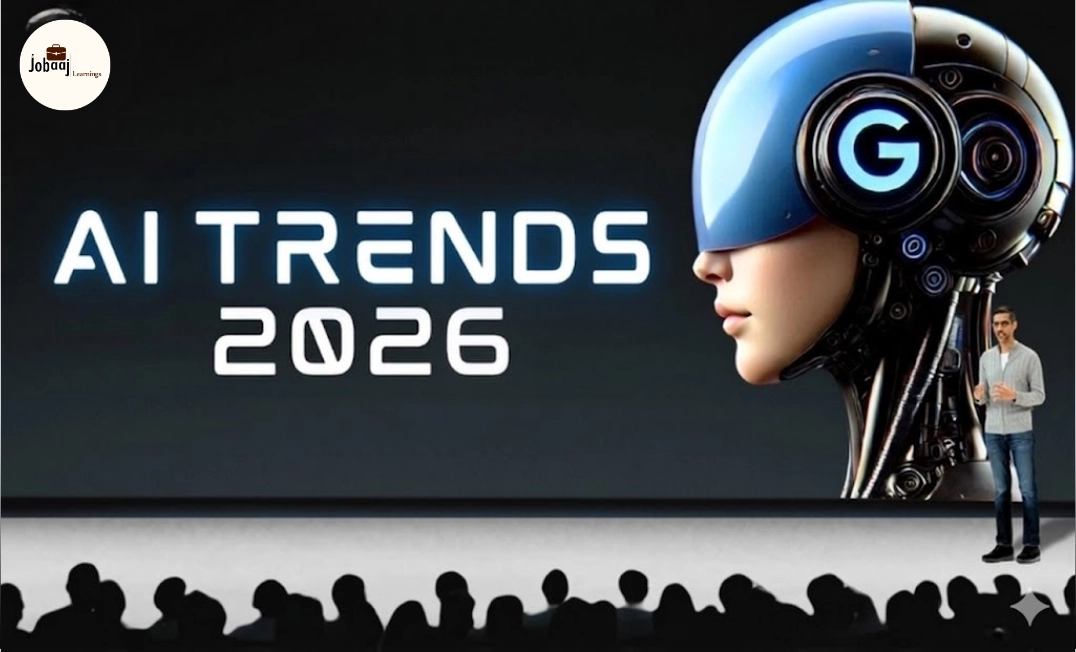
It’s 2026, and the world is buzzing with the excitement of what Artificial Intelligence (AI) can do next. Remember just a few years ago when AI felt like a futuristic concept—something seen in sci-fi movies, far from our everyday lives? Fast forward to today, and AI is already deeply embedded in our daily routines. Whether it’s your smart assistant reminding you of an appointment, AI algorithms suggesting the perfect movie on streaming platforms, or automated customer service chatbots, AI is shaping the world around us.
But what’s next? As we enter 2026, AI is on the verge of taking even bigger leaps. In this post, we’ll explore some of the most exciting AI trends to watch, and what they could mean for industries, businesses, and society as a whole.
1. AI in Healthcare: Revolutionizing Diagnosis and Treatment
In 2026, one of the most significant impacts of AI will be felt in healthcare. Imagine walking into a clinic and having a system that instantly analyzes your medical history, current symptoms, and even past treatments, to provide a highly accurate diagnosis and treatment plan.
AI-powered diagnostic tools are already being used in fields like radiology, where they can analyze medical images (such as X-rays and MRIs) with remarkable accuracy. By 2026, this will expand even further. AI will assist doctors in identifying diseases earlier, predicting potential health risks, and customizing treatments to individuals.
Moreover, AI-driven drug discovery is expected to skyrocket in 2026. AI models will be able to simulate how molecules interact and identify promising drug candidates much faster than traditional methods. This could lead to quicker responses to emerging health threats and more personalized treatments for patients.
Takeaway:
AI in healthcare will continue to revolutionize diagnosis, treatment, and drug discovery, making healthcare more personalized, efficient, and accessible.
2. AI and Automation in the Workforce
Another trend gaining traction in 2026 is the increased use of AI-powered automation in the workplace. While we’ve seen some automation in sectors like manufacturing and logistics, the next frontier will be in knowledge-based industries.
AI tools will handle more administrative tasks, like scheduling meetings, responding to customer emails, and even generating reports. This allows human workers to focus on higher-value tasks, such as strategic planning and creative problem-solving.
Furthermore, the use of AI-powered analytics will help businesses make data-driven decisions faster than ever before, which will enhance productivity and improve decision-making. Robotic Process Automation (RPA) will also expand, streamlining repetitive tasks and reducing human error.
However, the rise of AI in the workforce raises questions about job displacement and the future of work. While automation will improve efficiency, it will also require companies to invest in reskilling their workforce to adapt to new roles that AI cannot perform.
Takeaway:
AI-powered automation will streamline operations and improve decision-making, but it will also require upskilling and adaptation from the workforce.
3. Ethical AI: Ensuring Fairness and Accountability
With great power comes great responsibility. As AI technology advances, the ethical implications of AI become even more critical. By 2026, AI ethics will be a major area of focus, as governments, tech companies, and researchers work to ensure that AI systems are fair, transparent, and accountable.
We’ve already seen issues related to bias in AI algorithms, especially in fields like hiring, credit scoring, and law enforcement. In 2026, the focus will shift to creating more inclusive AI systems that minimize bias and promote diversity. This will require both regulatory frameworks and technical advancements to make AI more transparent and accountable.
Expect to see a growing demand for AI ethics boards and regulations that hold companies accountable for the impacts of their AI models on society.
Takeaway:
AI ethics will be a key focus, ensuring that AI systems are used responsibly and that biases are addressed to create fairer outcomes for all.
4. AI and Personalization: A Seamless User Experience
As AI technology improves, one of its most exciting capabilities will be in personalizing user experiences. By 2026, AI will be able to predict what products or services you need, when you need them, and how you prefer to consume them.
AI will improve recommendation systems in e-commerce, entertainment, and news by providing hyper-targeted content based on your preferences, behavior, and even emotions. For example, streaming platforms like Netflix or Spotify will not only recommend content based on your viewing habits but will understand your mood and suggest content accordingly.
Moreover, AI will drive a shift towards hyper-personalized marketing, allowing brands to deliver messages tailored specifically to you, based on your unique behaviors and preferences.
Takeaway:
AI will continue to revolutionize personalized experiences, making interactions more intuitive and aligned with individual preferences.
5. AI in Autonomous Vehicles: The Road to Self-Driving Cars
While autonomous vehicles have been a hot topic for years, 2026 will likely see major milestones in the development of fully autonomous cars. Advances in computer vision, sensor technology, and machine learning are driving this trend forward.
In 2026, expect to see more self-driving cars on the road, AI-powered logistics, and transportation services that are safer, more efficient, and less reliant on human drivers. The potential for autonomous vehicles goes beyond convenience—it could dramatically reduce accidents caused by human error, making roads safer.
The challenge, however, will be ensuring the safety, reliability, and regulatory compliance of these vehicles before they become mainstream.
Takeaway:
AI will accelerate the development of autonomous vehicles, bringing us closer to safer, self-driving transportation.
6. AI in Creativity: From Art to Music
In the world of art and entertainment, AI is expanding its role as a creative partner. By 2026, AI will help generate music, create art, and even write books—things once solely within the realm of human creativity.
AI tools like OpenAI’s GPT-3 have already shown promise in writing stories, poetry, and even scripts. Similarly, AI-generated music is already making waves, with AI programs creating compositions that rival those produced by humans.
While AI can assist in creativity, the debate continues about whether AI will ever truly replace human creativity or simply serve as a tool for enhancement.
Takeaway:
AI will continue to push the boundaries of creativity, providing new tools for artists, musicians, and writers.
Conclusion: The Future of AI in 2026
Artificial intelligence is quickly becoming an essential part of our world, and 2026 will be an exciting year for AI advancements. From healthcare to autonomous vehicles, ethical concerns to creativity, AI is set to reshape our industries and our lives.
However, while AI offers numerous opportunities, it also presents challenges that require careful consideration, particularly around ethics, job displacement, and governance. As we move forward, it’s clear that the future of AI is not just about technology—it’s about how we integrate it into society responsibly.
Frequently asked questions
What are the top AI trends to watch in 2026?
In 2026, key AI trends include advancements in healthcare, autonomous vehicles, AI ethics, and creativity. AI will also continue to shape personalization and business automation.
How will AI impact healthcare in 2026?
AI will revolutionize healthcare by improving diagnosis accuracy, accelerating drug discovery, and offering personalized treatments based on AI-powered insights.
What role will AI play in autonomous vehicles?
AI will drive the development of self-driving cars by enhancing computer vision, sensor technology, and machine learning, making transportation safer and more efficient.
How will AI affect creativity in 2026?
AI will become a tool for artists, musicians, and writers, helping to create new content, art, and music, though it’s unlikely to replace human creativity entirely.
What ethical challenges does AI face in 2026?
AI’s ethical challenges include concerns around bias in algorithms, privacy issues, and the need for regulation to ensure fairness and accountability in AI systems.
Can AI fully replace human jobs in 2026?
AI will automate certain tasks but is unlikely to fully replace human jobs, especially those requiring creativity, empathy, and decision-making. Humans and AI will collaborate.

Join 5,00,000+ Subscribers
Be a part of our ever growing community.