Categories








































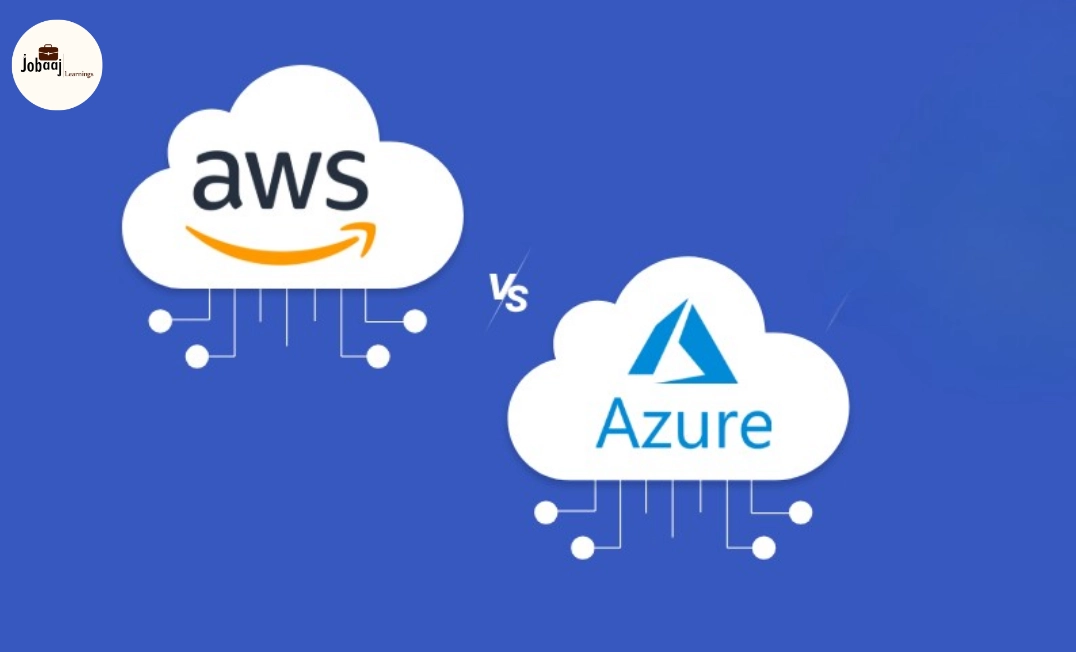
Choosing between AWS and Azure is not just about comparing two technologies. It is about understanding where the industry is moving and which platform can provide better career opportunities.
Both AWS and Azure have created thousands of cloud computing jobs worldwide, including roles such as Cloud Engineer, Cloud Architect, DevOps Engineer, Solutions Architect, and Cloud Security Specialist.
However, the right choice depends on the type of organizations you want to work with and the career path you want to build.
AWS has traditionally dominated the cloud market because it entered the industry earlier and built a massive ecosystem of services. It is widely used by startups, technology companies, and organizations that prefer flexibility and scalability.
Azure, on the other hand, has become extremely popular among large enterprises because of Microsoft's strong presence in corporate IT environments. Companies already using Microsoft products such as Windows Server, Office 365, Active Directory, and Dynamics often choose Azure because integration becomes easier.
Career Opportunities with AWS
AWS skills are highly valuable for professionals interested in cloud infrastructure, startups, and technology-driven companies.
Since AWS has the largest cloud service ecosystem, professionals working with AWS often get exposure to a wide variety of cloud technologies.
AWS professionals commonly work in roles such as:
Cloud Engineer
Cloud Engineers design, deploy, and maintain cloud infrastructure using AWS services.
They work with services like EC2, S3, VPC, IAM, and databases to build scalable applications.
AWS Solutions Architect
Solutions Architects design complete cloud solutions based on business requirements.
They decide:
- Which AWS services should be used
- How applications should scale
- How security should be implemented
- How costs can be optimized
This role is one of the highest-paying AWS career paths.
DevOps Engineer
AWS is widely used in DevOps environments because of its automation and deployment capabilities.
DevOps professionals use AWS tools to automate:
- Application deployment
- Infrastructure management
- Monitoring
- Continuous integration and delivery
Why Choose AWS for Career Growth?
AWS can be a strong choice if you want:
- Opportunities in startups and technology companies
- Exposure to a wide range of cloud services
- Global cloud infrastructure roles
- A strong foundation in cloud computing
For beginners, AWS is often recommended because learning AWS concepts gives you a strong understanding of fundamental cloud principles that can later be applied to other platforms.
Career Opportunities with Azure
Azure has become one of the strongest cloud platforms, especially in enterprise environments.
Many large organizations prefer Azure because it works smoothly with Microsoft's existing ecosystem.
Industries such as banking, healthcare, government, and large corporations heavily use Azure because of its security features and enterprise capabilities.
Azure Career Roles
Azure Cloud Administrator
Azure Administrators manage cloud resources and ensure that company systems run efficiently.
Their responsibilities include:
- Managing virtual machines
- Configuring networks
- Managing storage
- Implementing security controls
Azure Solutions Architect
Azure Solutions Architects design enterprise-level cloud solutions.
They help organizations migrate applications to Azure and create secure, scalable cloud environments.
Cloud Security Engineer
Security is a major focus for enterprises.
Azure Security Engineers protect cloud systems by managing:
- Identity access
- Security policies
- Threat detection
- Compliance requirements
Why Choose Azure for Career Growth?
Azure can be a better choice if you want:
- Enterprise IT career opportunities
- Roles in banking and corporate organizations
- Microsoft-based technology environments
- Hybrid cloud and security-focused roles
Professionals who already have experience with Microsoft technologies often find Azure easier to adopt.
AWS vs Azure: Services Comparison
|
Category |
AWS |
Azure |
|
Computing |
EC2 |
Azure Virtual Machines |
|
Storage |
S3 |
Azure Blob Storage |
|
Database |
RDS |
Azure SQL Database |
|
Serverless |
Lambda |
Azure Functions |
|
AI Services |
Amazon AI Services |
Azure AI Services |
|
Security |
AWS IAM |
Azure Active Directory |
AWS vs Azure: Which Platform Is Better for Beginners?
There is no single answer because beginners come from different backgrounds.
The best choice depends on your previous experience and career goal.
Choose AWS If:
AWS may be the better starting point if:
You Want a Strong Cloud Foundation
AWS has a huge number of learning resources and practical examples available.
Understanding AWS services helps beginners learn important cloud concepts such as:
- Virtual machines
- Storage
- Networking
- Security
- Cloud architecture
You Want Startup or Technology Company Roles
Many startups and digital-first companies use AWS because of its flexibility and wide range of services.
If your goal is to work with:
- SaaS companies
- Tech startups
- Product companies
AWS can provide strong opportunities.
You Want Global Cloud Exposure
AWS skills are recognized worldwide, making it useful for professionals targeting international opportunities.
Choose Azure If:
Azure may be the better option if:
You Want Enterprise Career Opportunities
Large organizations often prefer Azure because it integrates naturally with existing Microsoft systems.
Companies that use:
- Microsoft 365
- Windows Server
- Active Directory
often build their cloud infrastructure on Azure.
You Are Interested in Corporate IT Roles
Azure has strong demand in:
- Banking
- Insurance
- Consulting
- Government organizations
These industries often require professionals who understand enterprise cloud environments.
You Want Hybrid Cloud Expertise
Many traditional companies cannot move everything completely to the cloud.
Azure is known for strong hybrid cloud capabilities, allowing organizations to combine existing infrastructure with cloud services.
Future Scope of AWS and Azure
The future of both AWS and Azure looks extremely strong because cloud computing is becoming the foundation of modern technology.
Companies are moving their operations to the cloud because they need:
- Faster application development
- Better scalability
- Lower infrastructure costs
- Improved security
- Advanced AI capabilities
The growth of Artificial Intelligence is also increasing cloud demand because AI models require massive computing power, storage, and data processing capabilities.
AWS and Azure are both investing heavily in:
- Artificial Intelligence
- Machine Learning
- Cloud Security
- Data Platforms
- Automation
Which Cloud Platform Will Have More Jobs in the Future?
Both platforms will continue creating jobs, but the type of opportunities may differ.
AWS may continue to dominate in:
- Startups
- Cloud-native companies
- Technology organizations
Azure may continue growing strongly in:
- Enterprises
- Banking
- Consulting firms
- Government organizations
Instead of focusing only on the platform, professionals should focus on learning:
- Cloud architecture
- Networking
- Security
- Linux
- DevOps
- Automation
These skills remain valuable regardless of the cloud provider.
Final Verdict
AWS and Azure are both excellent choices, and neither platform can be called the absolute winner. AWS has an advantage because of its longer market presence, larger service ecosystem, and widespread adoption among technology companies. Azure has an advantage because of its strong enterprise relationships, Microsoft integration, and adoption among large organizations.
For beginners: Choose AWS if you want broader cloud exposure and want to enter the technology/startup ecosystem. Choose Azure if you want enterprise-focused roles, especially in companies already using Microsoft technologies.
The most important point is that companies do not hire people only because they know AWS or Azure. They hire professionals who can solve business problems using cloud technology.
Frequently asked questions
Is AWS better than Azure?
AWS and Azure are both excellent cloud platforms. AWS is stronger in overall market adoption, while Azure is highly popular among enterprises.
Which cloud platform should beginners learn first?
Beginners can start with AWS because of its large ecosystem, but Azure is also a great option, especially for Microsoft users.
Which certification is better AWS or Azure?
Both certifications are valuable. AWS Solutions Architect and Azure Administrator Associate are popular choices for cloud careers.
Does AWS or Azure pay more?
Both offer high salaries. Pay depends more on experience, role, certifications, and technical skills.
Can I learn AWS or Azure without coding?
Yes, beginners can learn cloud basics without coding, but programming knowledge improves career opportunities.
Is cloud computing a good career in 2026?
Yes, cloud computing continues to grow due to increasing demand for AI, data, cybersecurity, and digital infrastructure.

Join 5,00,000+ Subscribers
Be a part of our ever growing community.