Categories








































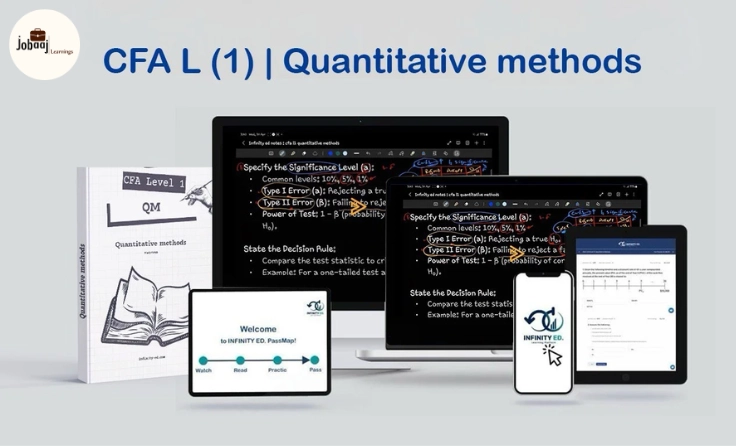
Preparing for the CFA Level 1 exam can feel like you’re climbing a mountain. It’s challenging, requires focus, and takes time. But when you reach the top, the view is amazing, and all the hard work pays off. One of the most intimidating sections of the CFA Level 1 exam is Quantitative Methods. The material may seem like a lot to tackle at once, but with the right prep strategy, you can handle it with confidence.
Exploring a career in Investment Banking? Apply now!
In this blog, we’re going to walk through the best strategies to tackle the Quantitative Methods section of the CFA Level 1 exam. Whether you’re just starting your preparation or deep into the process, this guide will give you a roadmap to approach the material effectively, break it down into digestible chunks, and make your study sessions more efficient. By the end of this, you’ll know exactly how to prepare for Quantitative Methods with confidence.
Understanding Quantitative Methods: What’s Inside?
Before diving into the prep strategies, it’s important to understand what you’re dealing with. The Quantitative Methods section of CFA Level 1 covers a variety of topics, including:
-
Time Value of Money (TVM): This concept is crucial for understanding financial analysis. You’ll need to be comfortable with calculating present and future values, annuities, and perpetuities.
-
Statistics: Topics like descriptive statistics, probability, and hypothesis testing will require a solid understanding of math and interpretation.
-
Sampling and Estimation: This includes understanding how to estimate population parameters using sample data, which is a vital skill in analyzing financial data.
-
Regression Analysis: Although not the most complex part, you’ll need to understand the basics of regression, such as interpreting the coefficients and their statistical significance.
Each of these topics requires practice and a methodical approach to truly grasp the concepts. Don’t worry; we’ll break it down step-by-step so you can tackle each area with confidence.
Best Prep Strategy for CFA Level 1 Quant
1. Create a Study Plan and Stick to It
The key to success in CFA Level 1 Quantitative Methods is a well-structured study plan. It’s easy to get overwhelmed with the vast amount of material, but breaking it down into manageable chunks will keep you focused. Here’s how you can do it:
-
Set Realistic Goals: Don’t aim to finish everything in one go. Set weekly goals for mastering specific topics (e.g., this week, focus on Time Value of Money, next week, dive into Statistics).
-
Allocate Time for Practice: Quantitative Methods is all about practice. Set aside specific time slots for solving practice problems after each study session. Consistent practice is essential for mastering these concepts.
-
Balance Study Sessions: Don’t cram. Plan study sessions with short breaks in between. Focused, consistent study is more effective than long, unfocused sessions.
2. Understand, Don’t Memorize
While memorization can be helpful in some cases, it’s crucial to understand the material, especially in Quantitative Methods. For example, understanding the logic behind the Time Value of Money formula will make it easier for you to solve any related question. Similarly, understanding probability distributions and sampling techniques will help you tackle a wide range of statistical problems.
When you’re working through problems, take your time to understand the underlying principles. If you simply memorize formulas, you may forget how to apply them when you face real-world questions. Break down complex concepts into bite-sized pieces, and make sure you truly understand how each formula or theory works before moving on to the next one.
3. Use CFA Institute’s Official Curriculum
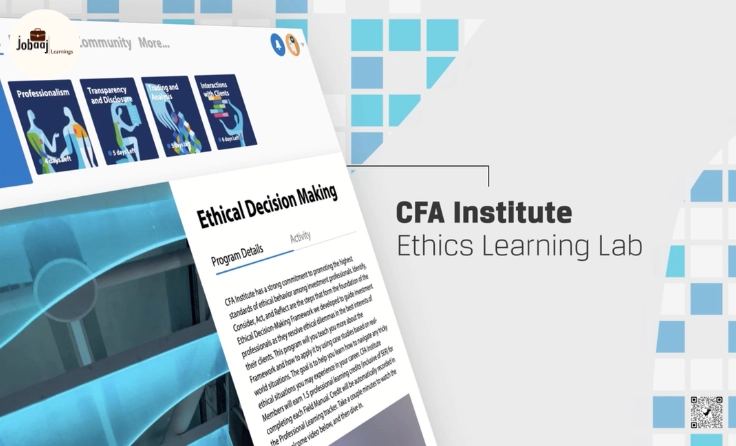
The CFA Institute provides a comprehensive curriculum that covers all the topics you need to know for the exam. This curriculum is an excellent resource because it’s specifically tailored to the CFA Level 1 exam. While third-party prep providers can also be helpful, don’t overlook the official CFA materials.
Work through the official CFA textbooks and practice the questions at the end of each chapter. These questions are designed to reflect the format and difficulty of the exam, so they’ll give you a good idea of what to expect. Additionally, after reading through the material, go back to the questions and review your mistakes—this is where the most learning happens.
4. Master Time Value of Money Early
One of the most important concepts in Quantitative Methods is the Time Value of Money (TVM). If you can master TVM early on, the rest of the material will feel much more manageable. Start with the basics—how to calculate present value, future value, annuities, and perpetuities.
TVM is fundamental to understanding financial calculations, so make sure you practice it extensively. Create flashcards with different formulas, solve problems from various sources, and keep practicing until the calculations feel second nature.
5. Practice, Practice, Practice
The most effective way to master Quantitative Methods is through constant practice. After you’ve gone through the material, you need to test your understanding by solving problems regularly. Here’s how:
-
Use Question Banks: The CFA Institute’s question banks and third-party prep providers like Schweser and Wiley offer an extensive set of practice questions. Make sure you practice regularly.
-
Track Your Progress: Keep track of your performance on practice questions. Are there areas where you’re struggling? Go back to those topics, review, and practice more.
-
Simulate Exam Conditions: After you’ve done enough practice questions, take mock exams under timed conditions. This will not only help with your time management but also get you comfortable with the exam format.
6. Don’t Skip the End-of-Chapter Questions
Each chapter in the official CFA curriculum comes with a set of end-of-chapter questions. Don’t skip them—they are a goldmine for practice. These questions are specifically designed to test your knowledge and understanding of the material.
After completing a chapter, go back and review the questions. Don’t just aim to get the answers right—understand why your answer is correct. If you get a question wrong, dive into the solution to understand where you went wrong and how to avoid making the same mistake again.
7. Review Regularly
Quantitative Methods may seem straightforward initially, but as the exam day approaches, the details can start to blur together. That’s why regular review sessions are crucial. As you move through your study plan, make time to go back and revisit topics you’ve already covered. It’s not just about practicing problems but also reinforcing your understanding of key concepts.
In the weeks leading up to the exam, try to spend at least 20-30% of your study time revisiting older topics. This will help you retain the material and stay sharp as you get closer to exam day.
Conclusion
Preparing for the Quantitative Methods section of the CFA Level 1 exam can feel overwhelming, but with the right approach, you can break it down into manageable pieces. By following a structured study plan, focusing on understanding key concepts rather than memorization, and practicing regularly, you can confidently tackle this section of the exam.
Start early, stay consistent, and keep practicing. The more you engage with the material, the more confident you’ll feel as you approach exam day. Good luck with your preparation—you’ve got this!
Dreaming of a Finance career? Start with Investment Banking Certification with Jobaaj Learnings.
Frequently asked questions
What is the best way to study for CFA Level 1 Quantitative Methods?
The best way to study for CFA Level 1 Quantitative Methods is to focus on understanding the core concepts, practice regularly with end-of-chapter questions and question banks, and create a study schedule that includes consistent reviews.
How much time should I allocate to CFA Level 1 Quant preparation?
On average, you should spend about 20-25% of your total study time on Quantitative Methods for CFA Level 1. This section requires consistent practice and understanding of complex concepts like Time Value of Money and statistics.
Can AI tools help in CFA Level 1 Quant prep?
Yes, AI tools can be helpful for CFA Level 1 prep. Tools like adaptive learning platforms can tailor study material to your strengths and weaknesses, providing personalized learning paths that improve efficiency and effectiveness.
How do I master Time Value of Money (TVM) for CFA Level 1?
Mastering TVM requires understanding the formulas and concepts behind present value, future value, annuities, and perpetuities. Consistent practice with a variety of problems will make these calculations second nature.
Should I use CFA Institute’s official curriculum for Quantitative Methods preparation?
Yes, the official CFA Institute curriculum is essential for preparing for CFA Level 1. It provides comprehensive material that’s directly aligned with the exam, including end-of-chapter questions and real-world examples.
What are some common mistakes to avoid when studying for CFA Level 1 Quant?
Common mistakes include skipping practice questions, rushing through material without fully understanding it, and not reviewing regularly. Be sure to practice thoroughly and revisit past topics frequently.

Join 5,00,000+ Subscribers
Be a part of our ever growing community.