Categories














/content/learnings/assets/header/ManagementConsulting.svg)
/content/learnings/assets/header/InvestmentBanking.svg)


























A company that has grown from a small startup to a major player in its industry. It’s been through the ups and downs of early growth, secured funding from investors, and now, it’s ready to take its next big step: going public. But what does that mean, and how does it happen? The answer is an Initial Public Offering (IPO).
Exploring a career in Investment Banking? Apply now!
For companies looking to raise capital, increase their market visibility, and reward their investors, an IPO is a game-changing event. But the process is far from simple. There are multiple steps, a lot of regulatory hurdles, and, of course, a team of professionals often from investment banks guiding the company through the process.
In this blog, we’ll break down the IPO process from start to finish, explaining how investment bankers play a crucial role and what steps are involved in taking a company public.
What is an IPO?
An Initial Public Offering (IPO) is the process through which a private company offers shares of its stock to the public for the first time. It’s a major event in the company’s lifecycle that allows it to raise capital by selling ownership stakes to public investors.
For the company, going public can offer several benefits:
-
Access to capital: The company can raise funds to fuel growth, pay off debt, or invest in new initiatives.
-
Increased credibility: Being listed on a stock exchange often increases the company’s credibility and visibility.
-
Liquidity for investors: Early investors, like venture capitalists and private equity firms, can cash out some of their equity.
However, the IPO process is complex, time-consuming, and requires navigating both legal and financial challenges.
Choosing an Investment Bank for the IPO
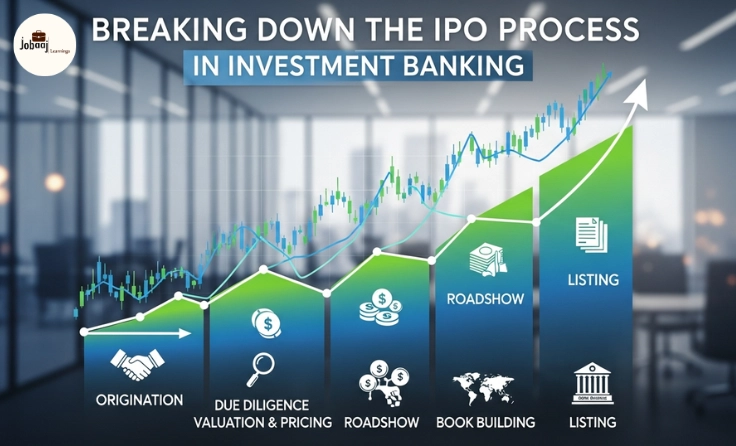
The first step in the IPO process is selecting the investment bank (or banks) that will guide the company through the journey. Investment banks play a crucial role in helping the company structure the offering, set the price for the shares, and manage regulatory filings.
Here’s what an investment bank does during an IPO:
-
Underwriting: The investment bank agrees to buy the shares from the company and resell them to the public. This is known as underwriting the IPO. The bank assumes the risk of selling the shares, but in exchange, it gets a commission and fees.
-
Advising: The bank provides strategic advice on timing, market conditions, pricing, and more.
-
Regulatory filings: The bank helps the company navigate the regulatory process, including filings with the Securities and Exchange Commission (SEC).
Choosing the right investment bank is crucial because the process is highly technical, and having experienced advisors can make a huge difference in the outcome of the IPO.
Due Diligence and Preparing for the IPO
Once the company has selected its investment bank, the next step is a thorough due diligence process. This is where the company’s financials, business model, and operations are carefully examined to ensure everything is in order before going public. The investment bank will assist in collecting and organizing the necessary documents.
Key activities during this phase:
-
Financial audits: The company’s financials will undergo a thorough audit to ensure they comply with regulations.
-
Prospectus preparation: The company and investment bank will work together to create a prospectus, a document that outlines the company’s business model, financials, risk factors, and how it plans to use the funds raised from the IPO.
-
Regulatory filings: The prospectus is filed with the SEC and reviewed for compliance with legal requirements. This process can take several months, depending on the complexity of the company’s financials.
The due diligence phase is crucial because it ensures that everything is transparent and in line with regulatory requirements. Any mistakes or omissions here could delay or derail the IPO.
Marketing the IPO
Once the paperwork is complete, it’s time to market the IPO to potential investors. This is where the roadshow comes in. The company and its investment bank will go on a roadshow, meeting with institutional investors and pitching the IPO.
Here’s how the roadshow works:
-
Presenting the investment opportunity: The company’s executives, along with the investment bank, present the business and financials to investors. They explain why the company is a good investment and what the company plans to do with the capital raised.
-
Investor feedback: The roadshow helps the company gauge investor interest and adjust the price range of the shares if necessary.
-
Media coverage: The roadshow often garners media attention, which can boost the company’s visibility and attract additional investors.
The roadshow is a critical component of the IPO process because it helps build excitement around the offering and generates demand for the company’s shares.
Pricing the IPO
One of the most important aspects of the IPO process is pricing the shares. The investment bank plays a crucial role in helping the company set the right price for the stock, balancing the company’s need for capital with the market’s willingness to pay.
Here’s how the pricing process works:
-
Demand assessment: Based on the roadshow and investor interest, the investment bank gauges how much demand there is for the company’s stock at various price levels.
-
Market conditions: The bank takes into account market conditions, such as stock market trends and investor sentiment, when determining the price.
-
Final price: The final IPO price is set the day before the shares are listed, and it’s a key factor in the IPO’s success.
Getting the price right is a delicate balancing act. If the price is set too high, the shares might not sell well. If it's set too low, the company could leave money on the table.
The IPO Launch and Trading
Finally, the company’s shares are listed on the stock exchange, and the IPO becomes official. This is when the company’s stock is made available for purchase by the public for the first time.
Key steps in the IPO launch:
-
Stock exchange listing: The company’s shares are listed on an exchange, like the New York Stock Exchange (NYSE) or NASDAQ.
-
Trading begins: Investors can buy and sell the stock, and the company starts its journey as a publicly traded entity.
After the IPO, the investment bank’s role doesn’t end. It continues to monitor the stock’s performance and help the company navigate the next steps, such as post-IPO research, market analysis, and additional financing if needed.
Conclusion
Taking a company public through an IPO is an exciting, complex, and crucial process that involves a combination of strategic planning, legal preparation, and financial expertise. Investment banks play a central role in this journey by guiding the company through each phase, from due diligence to pricing and ultimately listing the stock on a public exchange.
For companies, an IPO opens doors to new capital, visibility, and growth opportunities. For investment banks, it’s a high-stakes, high-reward venture that requires skill, precision, and careful execution. Understanding how the IPO process works is key for anyone looking to get involved in investment banking or interested in the financial markets.
Dreaming of a Finance career? Start with Investment Banking Certification with Jobaaj Learnings.
Frequently asked questions
What is an IPO?
An IPO (Initial Public Offering) is the process through which a private company offers shares to the public for the first time. It allows the company to raise capital and become publicly traded.
What does an investment bank do during an IPO?
An investment bank helps the company by underwriting the IPO, advising on the process, preparing necessary regulatory filings, and marketing the IPO to potential investors through roadshows.
How are IPO shares priced?
The price of IPO shares is set based on demand from investors during the roadshow, market conditions, and the company’s financial outlook. The investment bank helps determine the price range for the shares.
What is a roadshow in an IPO?
A roadshow is a marketing campaign where the company and its investment bank meet with potential investors to promote the IPO and gauge interest in the stock offering.
How does a company benefit from an IPO?
Going public through an IPO allows a company to raise capital for growth, gain public visibility, and provide liquidity for early investors and employees holding shares.
What happens after the IPO is launched?
Once the IPO is launched, the company’s shares begin trading on the stock exchange, and the company starts its life as a publicly traded entity. The investment bank continues to monitor the stock’s performance.

Join 5,00,000+ Subscribers
Be a part of our ever growing community.