Categories








































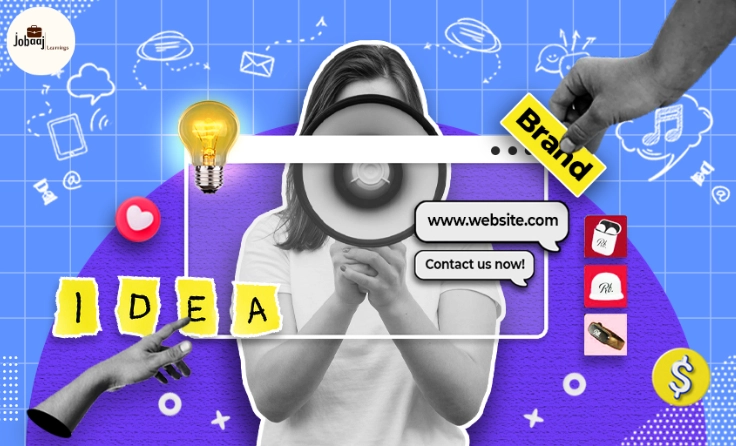
In today’s digital age, standing out and getting noticed can be challenging, especially in competitive fields. With countless voices online, it’s easy to feel lost in the noise. However, there’s a way to rise above the crowd—by building your personal brand. Having a strong personal brand helps you showcase your skills, expertise, and personality, making it easier to connect with your audience and stand out in your field. Whether you're an entrepreneur, freelancer, or working within a company, a powerful personal brand can help you build trust, credibility, and new opportunities.
Exploring a career in Performance Marketing? Apply Now!
No need to wait until morning. No customer service call required. Instant, efficient, and seamless—this is how customer service in 2025 will feel, thanks to the rising role of chatbots. As businesses shift toward digital-first strategies, chatbots are fast becoming the backbone of customer interactions, providing personalized support while eliminating the wait times we once dreaded.
In this blog, we’ll explore how chatbots are transforming customer service in 2025, why they’ve become essential tools for modern businesses, and how you can leverage them to not only enhance customer satisfaction but also streamline your operations.
What Exactly Are Chatbots and Why Do They Matter?
At the core, a chatbot is an AI-powered program designed to simulate conversation with human users. Using natural language processing (NLP), chatbots are trained to understand human language, making them capable of answering questions, solving problems, and guiding users through their experience—all in real time.
In the past, chatbots were often seen as clunky, scripted, and unable to handle more than the simplest requests. Fast-forward to 2025, and chatbots are far more sophisticated. These digital assistants can process complex queries, resolve technical issues, and even make personalized recommendations—everything without the need for human intervention.
For businesses, this offers a game-changing advantage. By utilizing chatbots, companies can provide 24/7 support, reduce operational costs, and enhance the user experience without overwhelming their customer service teams. But what makes them truly stand out in 2025 is the intelligence they bring to the table. They’re no longer just about answering questions—they’re about creating experiences.
How Chatbots Are Revolutionizing Customer Service in 2025
1. Instant Customer Support Around the Clock
In today’s fast-paced world, customers expect instant responses, and chatbots deliver just that. Whether you’re shopping for clothes, troubleshooting a tech issue, or seeking travel advice, the convenience of accessing help immediately has become a fundamental expectation.
In the past, businesses often struggled to provide round-the-clock service. Customer service lines were closed after business hours, and emails went unanswered for hours—or even days. But with chatbots, help is available 24/7. Customers no longer have to wait until morning to resolve their issues. They can ask questions, get solutions, and even complete transactions anytime, anywhere.
2. Personalized Interactions That Build Loyalty
The future of customer service is not about generic responses—it’s about personal connections. Chatbots in 2025 aren’t just answering the same questions for every user; they’re learning from past interactions, adapting to individual customer needs, and providing tailored responses.
Imagine interacting with a chatbot on your favorite online clothing store. It recognizes your size preferences, recalls past purchases, and even suggests outfits that align with your style. Not only are you getting the help you need quickly, but the entire experience feels personalized and curated just for you.
This level of personalization goes beyond the transaction; it fosters trust and loyalty. As customers feel understood and valued, they’re more likely to return, leading to better customer retention and higher sales.
3. Reduced Customer Service Costs and Increased Efficiency
For businesses, hiring a full customer service team to handle every inquiry can be costly. Even with outsourcing, the costs associated with human support agents—salaries, training, and operational expenses—can pile up quickly.
Chatbots, on the other hand, offer an affordable alternative that’s available 24/7 without additional costs. They can handle thousands of repetitive inquiries, allowing human agents to focus on more complex or specialized tasks. For businesses with a large volume of transactions, this significantly reduces labor costs and improves overall operational efficiency.
In fact, studies have shown that businesses using chatbots have seen reductions in customer service costs by up to 30%, while also improving their response times and customer satisfaction.
4. Seamless Integration with Other Technologies
In 2025, chatbots aren’t working alone. They seamlessly integrate with other technologies like voice assistants, augmented reality (AR), and even predictive analytics to create a comprehensive service ecosystem. Imagine visiting an e-commerce site and chatting with a bot that not only recommends products based on your preferences but also allows you to try them on virtually using AR technology. Chatbots can collect data from various channels and provide a unified, holistic service experience that’s more than just answering questions—it’s about guiding users through their entire journey.
5. Improved Customer Experience with Faster Resolutions
Waiting on hold for customer service can be one of the most frustrating experiences for consumers. With chatbots, these delays are a thing of the past. Chatbots respond to inquiries immediately, allowing businesses to resolve issues and address questions faster than ever before.
Whether it’s helping with order tracking, resolving payment issues, or guiding users through a return process, chatbots offer speedy, efficient solutions. By removing the bottleneck of human agents, chatbots enable businesses to provide faster resolutions, which directly translates into higher customer satisfaction and repeat business.
How to Leverage Chatbots for Better Customer Service in 2025
If you’re considering implementing chatbots in your business, here are some tips to ensure they’re used effectively:
1. Start with Common Inquiries
Chatbots are most effective when they handle routine queries. Think about the common questions your customers ask, such as “Where’s my order?” or “How do I return an item?” These are great places to start. As the bot learns from interactions, it can handle more complex requests.
2. Ensure Smooth Handover to Human Agents
While chatbots are great for handling basic queries, there will always be times when a human touch is needed. Make sure your chatbot can seamlessly escalate complex issues to a human agent. This hybrid model ensures customers receive the best of both worlds—automation for efficiency and personalization for more intricate issues.
3. Continuously Monitor and Optimize Chatbot Performance
A chatbot is only as good as the data it’s trained on. Regularly review customer interactions to identify areas for improvement. Make sure the chatbot’s language processing is up-to-date, and tweak its responses based on new queries and customer feedback.
Conclusion
As we approach 2025, it’s clear that chatbots are shaping the future of customer service. They’re no longer just tools for answering questions—they are dynamic, intelligent assistants capable of delivering personalized, efficient customer support. By reducing wait times, cutting operational costs, and offering round-the-clock assistance, chatbots are becoming indispensable for businesses looking to stay competitive in a digital-first world.
For consumers, this means faster service, better experiences, and the confidence that help is always available when needed. For businesses, the benefits are clear—cost savings, enhanced customer satisfaction, and the ability to operate more efficiently.
As chatbots continue to evolve in 2025 and beyond, their role in customer service will only grow. Embracing this technology is no longer optional—it’s an essential step toward building a future-proof, customer-centric business.
Dreaming of a Performance Marketing Career? Start with Performance Marketing Certificate with Jobaaj Learnings.
Frequently asked questions
What is a personal brand?
A personal brand is how you present yourself to the world, both online and offline. It encompasses your skills, values, experiences, and how you communicate these to others. A strong personal brand helps you stand out in a crowded market.
Why is personal branding important in the digital age?
In the digital age, personal branding helps you build trust, gain visibility, and create opportunities. It allows you to **showcase** your **expertise** and engage with your audience, all while controlling how you’re perceived in a fast-paced, competitive online world.
How do I start building my personal brand?
Start by **defining your purpose** and values, then choose the platforms where your target audience is most active. Share valuable content regularly and engage authentically with your audience to build relationships.
What platforms should I use for building a personal brand?
The best platforms depend on your goals. For example, if you want to **showcase your professional expertise**, use **LinkedIn**. If you’re an artist or creative, platforms like **Instagram** or **Behance** may be better suited. Focus on platforms that align with your industry and personal brand goals.
How can I engage with my audience effectively?
Engage with your audience by responding to comments, sharing their content, and participating in industry conversations. Regularly interact with your followers to build **trust** and **loyalty**.
How can I stay consistent with my personal brand?
Consistency is key to building a strong personal brand. Stick to a regular content schedule, maintain a consistent tone and style across platforms, and always engage with your audience authentically. Over time, consistency will strengthen your brand and reputation.

Join 5,00,000+ Subscribers
Be a part of our ever growing community.