Categories








































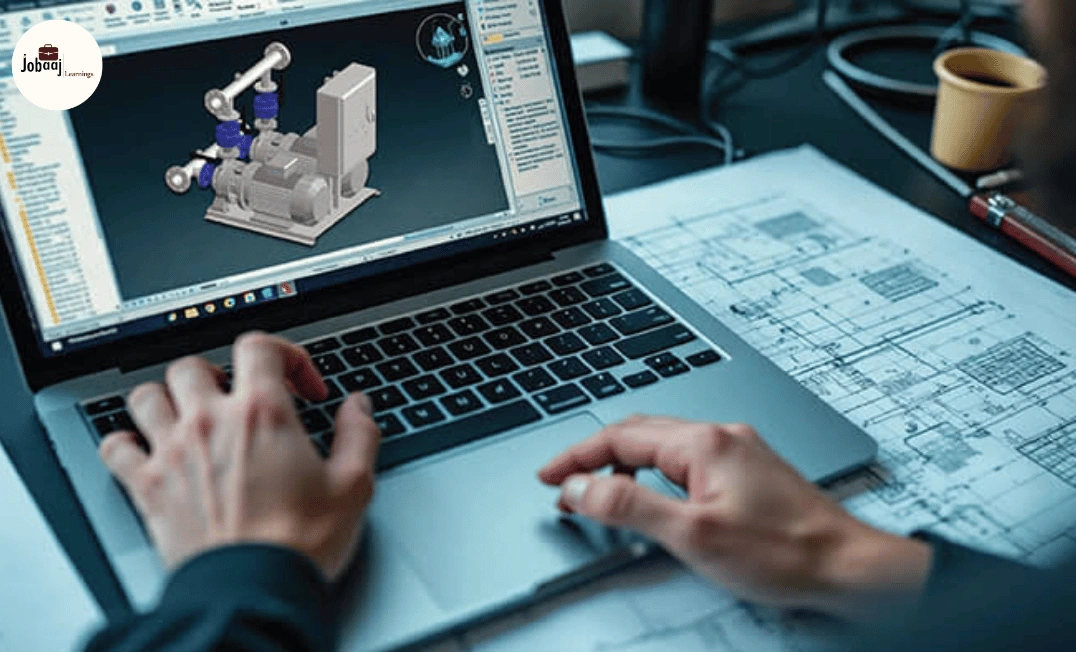
Behind every machine, vehicle, building component and product design, there is a detailed engineering drawing created before manufacturing begins.
CAD Engineers play an important role in converting ideas into accurate digital designs that can be tested, modified and produced.
CAD stands for Computer-Aided Design. It allows engineers and designers to create 2D drawings and 3D models using specialised software.
From automotive companies and aerospace firms to construction and manufacturing industries, CAD professionals are needed to design products with precision.
This guide explains what a CAD Engineer does, required skills, software tools, career opportunities and how to build a career in this field.
What Does a CAD Engineer Do?
A CAD Engineer creates and manages digital designs used for manufacturing, construction or product development.
They work closely with engineers, architects, manufacturers and production teams to ensure designs meet technical requirements.
Common Responsibilities of a CAD Engineer
A CAD Engineer typically handles:
- Creating 2D engineering drawings
- Developing 3D models
- Modifying existing designs
- Preparing manufacturing drawings
- Checking dimensions and specifications
- Creating assembly models
- Performing design revisions
- Collaborating with engineering teams
- Maintaining design documentation
For example, in the automotive industry, a CAD Engineer may design vehicle components and ensure they fit correctly before production.
Where Do CAD Engineers Work?
CAD professionals are required across multiple industries.
Automotive Industry
CAD Engineers design:
- Vehicle components
- Engine parts
- Interior systems
- Mechanical assemblies
Companies use CAD models before manufacturing physical prototypes.
Aerospace Industry
Aerospace design requires extreme accuracy.
CAD Engineers work on:
- Aircraft components
- Structural designs
- Testing models
- Manufacturing drawings
Construction and Architecture
CAD professionals create:
- Building layouts
- Structural drawings
- Electrical designs
- Infrastructure plans
Manufacturing Industry
Manufacturing companies use CAD for:
- Machine design
- Product development
- Industrial equipment
- Production planning
Product Design
Consumer product companies use CAD engineers for:
- Electronics design
- Furniture design
- Industrial products
- Packaging solutions
CAD Engineer vs Design Engineer
These roles are related but different.
|
CAD Engineer |
Design Engineer |
|
Focuses on creating digital models and drawings |
Focuses on complete product design decisions |
|
Works heavily with CAD software |
Works with engineering concepts and calculations |
|
Converts concepts into technical designs |
Develops and improves products |
|
Requires strong software skills |
Requires deeper engineering knowledge |
Many CAD Engineers eventually move into Design Engineer or Product Development roles.
Skills Required to Become a CAD Engineer
1. CAD Software Knowledge
The most important skill is proficiency in CAD tools.
Popular software includes:
AutoCAD
Used widely for:
- 2D drawings
- Architectural layouts
- Engineering documentation
SolidWorks
Popular for:
- Mechanical modelling
- Product design
- Assembly creation
CATIA
Common in:
- Automotive
- Aerospace
- Large engineering companies
Autodesk Inventor
Used for:
- Mechanical design
- Manufacturing applications
Creo
Popular in:
- Automotive
- Industrial design
A good CAD Engineer should not just know software commands. They should understand design principles and engineering requirements.
2. Engineering Fundamentals
CAD tools are only useful when combined with engineering knowledge.
Important concepts include:
- Engineering drawing standards
- Dimensions and tolerances
- Materials
- Manufacturing processes
- Mechanics basics
- Design principles
Understanding how products are manufactured helps engineers create practical designs.
3. 3D Modelling Skills
Modern industries increasingly use 3D modelling.
Important skills include:
- Part modelling
- Surface modelling
- Assembly modelling
- Rendering
- Design modifications
3D models help companies visualise products before production.
4. Understanding Manufacturing Processes
A CAD Engineer should understand how designs become physical products.
Important manufacturing concepts:
- CNC machining
- Injection moulding
- Sheet metal fabrication
- Welding
- Casting
- 3D printing
A design that looks good digitally must also be possible to manufacture.
5. Attention to Detail
Engineering designs require extreme accuracy.
Small mistakes in dimensions or specifications can create expensive manufacturing problems.
CAD Engineers must carefully check:
- Measurements
- Tolerances
- Material specifications
- Assembly compatibility
6. Problem-Solving Skills
Design work often involves challenges.
Engineers may need to answer questions like:
- How can this component be lighter?
- How can production cost be reduced?
- How can durability be improved?
Problem-solving is a major part of engineering design.
CAD Engineer Tools to Learn
Design Software
- AutoCAD
- SolidWorks
- CATIA
- Creo
- Fusion 360
- Autodesk Inventor
Simulation Tools
For advanced roles:
- ANSYS
- SolidWorks Simulation
- Abaqus
Collaboration Tools
- PDM systems
- PLM software
- Teamcenter
Other Useful Skills
- Microsoft Excel
- Technical documentation
- Basic programming knowledge
CAD Engineer Career Roadmap
Step 1: Build Engineering Basics
Learn:
- Engineering drawing
- Geometry
- Manufacturing concepts
- Material properties
A strong foundation makes CAD learning easier.
Step 2: Learn CAD Software
Start with one major tool.
For beginners:
- AutoCAD
- SolidWorks
- Fusion 360
Practise creating:
- Mechanical parts
- Assemblies
- Technical drawings
Step 3: Build a Design Portfolio
A CAD portfolio can include:
- 3D models
- Product designs
- Mechanical assemblies
- Technical drawings
- Design improvements
A portfolio helps demonstrate practical skills.
Step 4: Gain Industry Experience
Entry-level opportunities include:
- CAD Intern
- Junior CAD Engineer
- Design Trainee
- Drafting Engineer
With experience, professionals move into advanced design roles.
CAD Engineer Job Roles
CAD Designer
Creates technical drawings and models using CAD software.
Mechanical CAD Engineer
Designs mechanical components and assemblies.
Product Design Engineer
Works on complete product development.
Automotive CAD Engineer
Creates vehicle components and systems.
BIM/CAD Engineer
Works on construction and infrastructure projects.
CAD Automation Engineer
Uses programming and automation to improve design workflows.
CAD Engineer Salary in India in 2026
Salary depends on experience, industry, software knowledge and location.
|
Experience Level |
Salary Range |
|
CAD Intern |
₹10,000 - ₹25,000/month |
|
Fresher CAD Engineer |
₹3 lakh - ₹6 lakh/year |
|
2–5 Years Experience |
₹6 lakh - ₹12 lakh/year |
|
Senior CAD Engineer |
₹12 lakh - ₹25 lakh+/year |
Professionals with expertise in advanced software like CATIA, Creo, simulation tools and industry-specific knowledge generally earn higher salaries.
Best Certifications for CAD Engineers
Certifications can help improve credibility.
Popular options include:
- Autodesk Certified Professional
- SolidWorks Certification
- CATIA Certification
- Creo Certification
- AutoCAD Certification
However, practical design ability and portfolio quality remain important for employers.
Final Thoughts
CAD Engineering is a strong career option for students interested in design, engineering and technology.
The field combines creativity with technical accuracy and offers opportunities across automotive, aerospace, manufacturing, construction and product development industries.
Success in CAD is not just about mastering software. It comes from understanding engineering principles, building practical projects and continuously improving design skills.
For students who enjoy creating things and solving technical problems, CAD engineering can become a rewarding long-term career.
Frequently asked questions
What qualification is required to become a CAD Engineer?
Most CAD Engineers have backgrounds in mechanical engineering, civil engineering, architecture or related technical fields. However, candidates with strong CAD skills and practical portfolios can also enter certain design roles through certifications and training programs.
Which CAD software should beginners learn first?
Beginners can start with AutoCAD or SolidWorks because they are widely used and have extensive learning resources. The best software depends on the industry goal. Automotive roles often prefer CATIA or Creo, while construction roles commonly use AutoCAD and BIM tools.
Is CAD Engineering a good career in 2026?
Yes, CAD engineering continues to have demand in manufacturing, automotive, aerospace, construction and product development. The role is evolving with technologies like 3D printing, simulation and AI-assisted design, creating new opportunities for skilled professionals.
Do CAD Engineers need programming skills?
Programming is not mandatory for basic CAD roles, but it can be valuable for advanced positions. Knowledge of automation tools, scripting and software integration can help engineers improve design workflows and move into specialised roles.
Can freshers get CAD Engineer jobs?
Yes, freshers can enter CAD careers through internships, trainee roles and junior design positions. Building a portfolio with 3D models, engineering drawings and practical projects can significantly improve job opportunities.

Join 5,00,000+ Subscribers
Be a part of our ever growing community.