Categories













/content/learnings/assets/header/ManagementConsulting.svg)
/content/learnings/assets/header/InvestmentBanking.svg)
























Case Study: How Zerodha Disrupted Indian Stockbroking Using Tech & Pricing

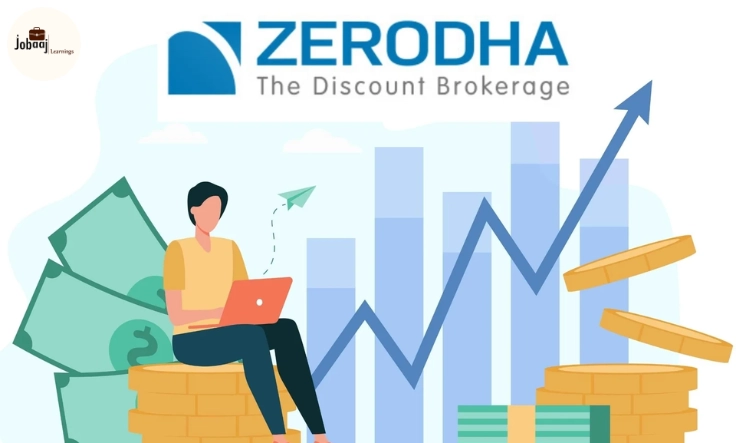
When Nithin Kamath launched Zerodha in 2010, Indian traders were paying 0.3-0.5% per trade to traditional brokers. A single trade of ₹1 lakh meant paying ₹300-500 in brokerage fees. For active traders, these charges quickly ate into profits.
Zerodha introduced flat ₹20 per trade and zero brokerage on delivery trades. Within a decade, they became India's largest retail stockbroker with over 7 million clients. No VC funding. No traditional marketing. Just better pricing and technology.
The Problem: Why Traders Were Frustrated
Expensive and Complex Pricing
Traditional brokers charged percentage-based fees that scaled with trade size. Hidden charges, annual maintenance fees, and minimum brokerage requirements made it impossible to calculate actual costs. Small traders were hit hardest.
Outdated Technology
Legacy platforms crashed during high-volume sessions. Opening an account took 7-10 days with multiple branch visits. Mobile trading was either absent or poorly implemented. The entire experience felt stuck in the 1990s.
Conflict of Interest
Full-service brokers earned commissions by pushing specific products. Traders received constant unsolicited calls recommending trades that benefited the broker, not the client. Trust was at an all-time low.
The Zerodha Solution
Revolutionary Flat Pricing
₹20 per trade for intraday and F&O, regardless of trade size. Zero brokerage on equity delivery trades. This simple pricing saved active traders 80-90% on brokerage costs and made long-term investing completely free.
Kite: Technology That Actually Works
Zerodha built Kite from scratch - a lightning-fast trading platform that worked seamlessly across web, desktop, and mobile. Clean interface, real-time data, and crucially, it didn't crash during market hours. They open-sourced their APIs, creating an entire developer ecosystem.
Digital-First Approach
Fully digital account opening reduced the process from weeks to under 24 hours. No paperwork, no branch visits, just smartphone and basic documents. This eliminated operational costs, which they passed on to customers.
Education Over Advisory
Instead of biased recommendations, Zerodha launched Varsity - free educational content teaching everything from basics to advanced strategies. This built trust and empowered traders to make independent decisions without conflicts of interest.
Zero Marketing, Pure Word-of-Mouth
Zerodha spent nothing on advertising. The savings traders experienced made them voluntary promoters. Satisfied users recommended the platform to friends, creating viral organic growth while keeping costs low.
The Impact: Disrupting an Industry
Market Leadership
By 2020, Zerodha became India's largest retail stockbroker, handling over 15% of all retail trading volumes. Daily volumes often exceed ₹3 lakh crores. They proved high volumes at low margins beat low volumes at high margins.
Forcing Industry Change
Traditional brokers were forced to slash fees and launch discount arms. Digital onboarding became standard. Transparent pricing became the norm. Zerodha single-handedly raised the bar for the entire industry.
Democratizing Market Access
Lower costs brought millions of new investors into markets. Students and small-town traders who were previously priced out could now participate. India's demat account numbers exploded, with Zerodha driving significant growth.
Profitable Without VC Money
Unlike typical startups, Zerodha has been profitable since year two. No external funding, no investor pressure, complete ownership with the Kamath brothers. Annual profits reportedly in hundreds of crores.
What Made Them Win
Deep Customer Understanding: Nithin was a trader himself. He built solutions for real problems he experienced firsthand.
Technology as Core Strength: Built everything in-house for complete control. Prioritized stability, speed, and simplicity over flashy features.
Operational Efficiency: Digital operations, no branches, heavy automation. Low costs enabled aggressive pricing with healthy margins.
Transparency: Openly shared pricing, business model, and even problems when they occurred. This honesty built deep trust.
Courage to Disrupt: Zero brokerage on delivery was considered insane. Industry veterans said it wouldn't work. Zerodha proved them wrong.
Key Challenges
Scaling Infrastructure: Massive traffic growth required constant upgrades. They invested heavily in cloud and performance optimization to maintain stability.
Regulatory Scrutiny: Market leadership brought increased attention. Built strong compliance teams and engaged constructively with regulators.
Rising Competition: Both traditional players and new startups launched competing offerings. Zerodha stayed ahead through superior product quality and user experience.
Support at Scale: Millions of users needed help. They built comprehensive documentation, forums, chatbots, and efficient ticketing systems.
Lessons for Startups
Find Real Pain Points: Zerodha succeeded because they solved significant problems millions experienced daily.
Pricing Can Disrupt: You don't need a revolutionary product. Sometimes just pricing it fairly is enough.
Bootstrap If Possible: VC money isn't mandatory. Strong unit economics and efficiency can fuel rapid organic growth.
Technology Enables New Models: Understanding how tech changes industry economics reveals disruptive opportunities.
Transparency Builds Trust: In digital businesses, being open about everything differentiates you and creates loyalty.
Word-of-Mouth Beats Advertising: Build something so good that customers become your marketers.
The Future
Zerodha continues expanding into mutual funds, bonds, and other products while maintaining core principles. They're investing in algorithmic trading, enhanced analytics, and mobile improvements. The challenge is balancing growth with the service quality that built their reputation.
As India's investing population grows, Zerodha's role in democratizing market access will remain a defining business success story.
Conclusion
Zerodha's disruption wasn't about having the most funding or flashiest marketing. It was about deeply understanding customer needs, leveraging technology to enable better pricing, and executing flawlessly.
They proved that businesses can be profitable and purpose-driven simultaneously. That growth doesn't require compromising values. That the best product wins, even against century-old institutions.
For entrepreneurs, the blueprint is clear: solve real problems, price fairly, build excellent technology, stay efficient, and let customers do your marketing. Simple in theory, powerful in execution.
Frequently asked questions
What is Zerodha's pricing model?
Zerodha uses a flat fee of ₹20 per trade for intraday and futures trading. This minimal cost structure makes stock trading more affordable for retail investors, disrupting the traditional stockbroking pricing model in India.
How does Zerodha's Kite platform help traders?
Zerodha's Kite platform offers a user-friendly interface, real-time data, and fast order execution, allowing both beginner and experienced traders to trade efficiently. It simplifies stock trading with seamless access to market data and tools.
Is Zerodha suitable for beginners?
Yes, Zerodha provides educational resources like Varsity, which offers in-depth learning about stock trading, technical analysis, and strategies, making it ideal for beginners looking to start their trading journey.
What other services does Zerodha offer?
Zerodha expands beyond stock trading by offering services like commodity trading, currency derivatives, and mutual funds. These options allow investors to diversify their portfolios and explore other financial markets.
How has Zerodha impacted the Indian stock market?
Zerodha's low-cost pricing and tech-driven approach have forced traditional stockbrokers to reconsider their pricing models. By making stock trading more affordable, Zerodha has increased market accessibility for millions of retail investors across India.
Join 5,00,000+ Subscribers
Be a part of our ever growing community.
Related reads

Top Business Case Study Examples for Interviews

Product Case Study Examples for Interviews 2026: PM Case Questions, Frameworks and Answers Guide