Categories








































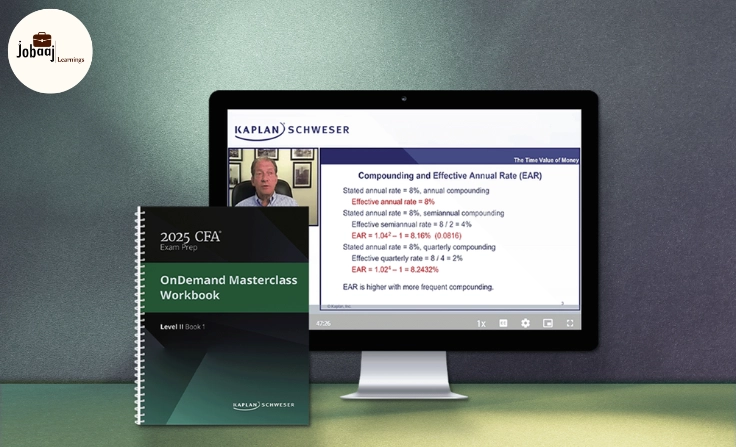
For anyone in the world of finance, passing the CFA Level 2 exam is a huge milestone. It’s known for its complexity and the depth of knowledge required, making it one of the most challenging exams out there. If you're currently preparing for this exam, you know exactly how overwhelming it can feel. But here's the good news—with the right approach, it’s entirely possible to conquer it and come out on top.
I remember when I was gearing up for CFA Level 2. The amount of material was daunting, and at times, the road ahead seemed endless. But with a clear strategy, a well-structured plan, and a lot of perseverance, I passed the exam and took away some valuable lessons that can help you too. In this case study, I’ll walk you through how I approached the exam, what worked, and the tips that helped me pass. By the end, you'll have a solid game plan for your own journey.
The Challenge: Understanding the Beast that is CFA Level 2
Let’s face it—the CFA Level 2 exam is no walk in the park. Unlike Level 1, which is more about learning and understanding broad concepts, Level 2 is where the real challenge begins. It dives deep into financial analysis, portfolio management, quantitative methods, and more. The exam format includes item sets, which are groups of related questions based on a case study. This means the questions are longer, more intricate, and require you to not only recall information but also apply it.
When I first started preparing, I realized that the key wasn’t just reading and memorizing—it was about truly understanding how everything tied together. The hardest part wasn’t the complexity of the material itself, but the application of that knowledge to real-world scenarios. It was demanding, and at times, it felt like the more I studied, the more I discovered I had yet to learn.
The Strategy: My Approach to Passing CFA Level 2
1. Start Early and Plan Wisely
If there’s one thing I learned early on, it’s that starting early makes a massive difference. I began my preparation a solid 9 months before the exam date. Yes, that’s a lot of time, but breaking it down into manageable chunks made everything feel doable.
Action:
-
I mapped out a study schedule that divided the curriculum into bite-sized pieces.
-
I made sure to reserve weekends for practice questions and review, leaving weekdays for focused reading and conceptual understanding.
-
This early start gave me time to absorb the material and didn’t force me into a cramming situation at the last minute.
2. Master the CFA Level 2 Curriculum (And Stick to It)
The CFA curriculum is extensive, and yes, it’s overwhelming. But what really worked for me was to stick to the official CFA Institute materials. I didn’t let myself get distracted by a ton of external resources. While there are plenty of prep books out there, I focused on making sure I understood the core concepts from the CFA readings.
Action:
-
I focused on conceptual understanding, especially for subjects like Ethics, Financial Reporting & Analysis, and Quantitative Methods.
-
I didn’t just read—I took notes, summarized concepts in my own words, and made sure I could explain them clearly.
3. The Power of Practice (And a Lot of It)
This is where things really started to click. The more I practiced, the more I understood the kind of questions I’d face in the exam. The CFA Level 2 exam is unique in that it tests your ability to apply concepts rather than just recall them.
Action:
-
I spent nearly 40% of my study time working on item sets—both from the CFA curriculum and other practice materials like Schweser.
-
I made sure to complete full mock exams under timed conditions, which helped me build stamina for the real exam day.
-
I tracked my performance and focused on areas I was struggling with, making sure I revisited difficult concepts as often as needed.
4. Time Management is Key
On exam day, time management is everything. The Level 2 exam is long, and the item sets require more time and concentration than you might expect. I learned the hard way that spending too much time on any single question can cost you.
Action:
-
I practiced doing each item set in 45 minutes. This gave me enough time to read carefully but still move through the material efficiently.
-
I also trained myself to skip and come back to tougher questions instead of wasting precious time on something that wasn’t clicking immediately.
5. Don't Forget Ethics
If there’s one section that I can’t emphasize enough, it’s Ethics. Not only is it heavily weighted on the exam, but it’s also one of the areas that can make or break your result. I revisited the CFA Institute’s Ethics and Professional Standards material several times to ensure I had everything down cold.
Action:
-
I spent a week right before the exam revising the Ethics section. This ensured that I was well-prepared for the questions, which are often trickier and require you to apply concepts in real-world scenarios.
Results: How the Strategy Worked
When the results came in, I was relieved to see that the strategy paid off. The CFA Level 2 exam is tough, but with a solid study plan, consistent practice, and dedication, I was able to navigate it successfully. Here's how my approach worked out:
-
Time Management: Practicing with mock exams gave me the ability to answer questions quickly and effectively without rushing.
-
Understanding, Not Memorization: The concepts I understood deeply during my preparation became second nature during the exam. This made tackling the item sets much easier.
-
Focused Ethics Preparation: Focusing on Ethics helped me score higher in this critical section, which made a significant difference in my overall result.
Key Takeaways
Here’s what I would recommend to anyone gearing up for the CFA Level 2 exam:
-
Start Early: Give yourself plenty of time to absorb the material and plan your study schedule.
-
Understand the Concepts: Don’t just memorize—make sure you can apply what you’re learning to real-world problems.
-
Practice Extensively: Make use of mock exams and practice item sets regularly.
-
Focus on Time Management: Don’t let any single question slow you down—pace yourself effectively.
-
Master Ethics: This section is crucial for your overall success, so make sure you know it inside and out.
Conclusion
Passing the CFA Level 2 exam is a significant achievement, but it’s not impossible with the right mindset and preparation. By starting early, focusing on understanding the material, practicing diligently, and managing your time well, you’ll set yourself up for success.
Remember, this exam isn’t just about what you know—it’s about how you can apply what you know under pressure. With the strategies I’ve shared, you’re not just preparing to pass the exam; you’re preparing to master it.
Good luck, and remember: with the right preparation and determination, you can pass the CFA Level 2 exam and take the next step in your career!
Frequently asked questions
What are the best study strategies for passing the CFA Level 2 exam?
The best strategies include starting early, sticking to the CFA Institute's curriculum, practicing item sets, and focusing on time management during the exam. Mock exams and practicing under timed conditions are key to success.
How important is Ethics in the CFA Level 2 exam?
Ethics is a critical section of the CFA Level 2 exam. It is heavily weighted, and understanding the CFA Institute’s Code of Ethics and Standards of Professional Conduct is essential for a high score in this section.
How many hours should I study for CFA Level 2?
It is recommended to study for about 300-400 hours in total for CFA Level 2. Starting early, breaking your study plan into smaller chunks, and staying consistent is key to managing this load efficiently.
What is the format of the CFA Level 2 exam?
The CFA Level 2 exam consists of two 3-hour sessions with 120 multiple-choice questions, divided into item sets. Each item set contains 6 questions based on a case study, making it more complex than Level 1.
How can I improve my time management during the CFA Level 2 exam?
Practicing mock exams and time-limited item sets is the best way to improve your time management skills. Aim to spend 45 minutes per item set, leaving time at the end for review. Avoid spending too much time on difficult questions.
How can I prepare for the CFA Level 2 exam without getting overwhelmed?
Break down your study plan into manageable chunks, and focus on understanding core concepts rather than memorizing. Regular practice, especially with mock exams, and revisiting difficult topics are key to staying on track.

Join 5,00,000+ Subscribers
Be a part of our ever growing community.