Categories








































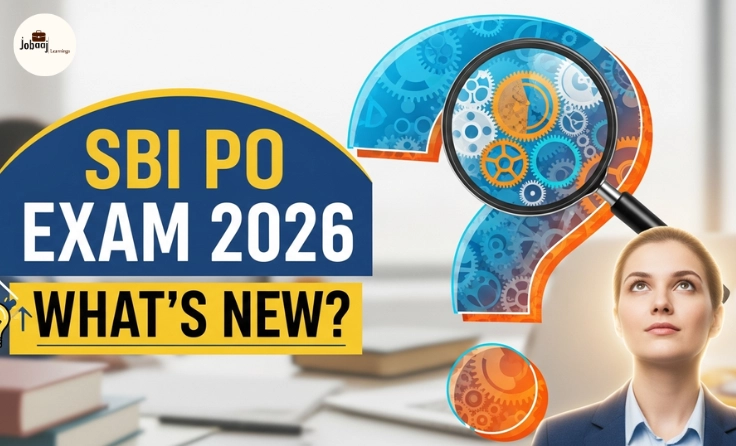
If you’re gearing up for the SBI PO exam in 2026, you're likely aware of how competitive this exam is. Thousands of candidates vie for a position in the State Bank of India every year. Each year, the State Bank of India (SBI) fine-tunes its exam structure to adapt to the evolving needs of the banking sector and ensure a fair evaluation process. And this year, the exam pattern has been revised to ensure it is more comprehensive and challenging.
In this blog, we will walk you through the SBI PO exam pattern changes for 2026 and provide insights into how these modifications will impact your preparation. Whether this is your first time appearing or you’ve already taken the exam before, knowing these changes will help you adjust your study plan accordingly.
Why Are These Changes Important?
Understanding the changes in the exam pattern is critical for your preparation. If you aren’t aware of these updates, you may end up wasting time on outdated study methods that won’t benefit you in the long run. Here’s why staying updated matters:
-
Adaptation to New Trends: The exam pattern is designed to reflect the evolving skills needed for the Probationary Officer role. As banking operations become more complex, the exam now includes sections that test analytical thinking, decision-making, and financial awareness.
-
Efficient Study Planning: Once you understand what’s new in the exam pattern, you can make informed decisions about what to study and how to approach your preparation. This will help you avoid unnecessary stress and focus on the most important areas.
-
Better Time Management: Exam pattern changes can affect how much time you should allocate to each section. Knowing these updates helps you manage your time effectively, ensuring that you don’t rush through questions or miss out on key sections.
Key Changes in the SBI PO Exam Pattern for 2026
The SBI PO Exam consists of three main stages: Prelims, Mains, and the Interview. For 2026, there are some key updates in the Prelims and Mains exams that you need to be aware of. Here’s a breakdown of these changes:
1. Revised Preliminary Exam Pattern
The Prelims exam continues to be a screening test. However, several updates have been made to increase its challenge and test your ability to perform under pressure. Here’s what’s new:
-
Duration: The total time for the Prelims exam has been reduced to 60 minutes, down from 1 hour 30 minutes. This change means that you’ll need to work faster and improve your speed during the exam.
-
Number of Questions: The Quantitative Aptitude section will now have 30 questions, down from 35 in the past. Although there are fewer questions, they may be slightly more difficult, so time management becomes more important.
-
Negative Marking: The negative marking system remains unchanged. For each wrong answer, one-fourth of the marks will be deducted. Therefore, it’s essential to attempt only the questions you are confident about.
2. Main Exam Pattern Updates
The Mains exam is the critical stage of the selection process, and in 2026, it will undergo several changes to make it more comprehensive. Here’s what’s different:
-
Increased Focus on Reasoning and Data Interpretation: The reasoning section has been expanded, with a greater emphasis on data interpretation and decision-making skills. You’ll need to practice these sections thoroughly to improve your problem-solving speed.
-
Descriptive Paper Reformatting: The descriptive paper will now focus on testing your writing skills. In addition to writing short answers, you’ll need to compose essays and practice precise writing, demonstrating your ability to express thoughts clearly and concisely.
-
No Fixed Time for Each Section: In the 2026 Mains, there will be no fixed time limit for each section. Previously, you had specific time slots for each section, but now you can manage your time as you see fit. This increases the importance of managing your time effectively during the exam.
-
Data Interpretation and Analysis: The data interpretation section will involve more complex data sets that require deeper analytical reasoning. Candidates will need to work on critical thinking and logical reasoning to tackle these questions.
3. Introduction of a New Section: Financial Awareness
In 2026, the Mains exam will feature a new section, Financial Awareness. This section will test your knowledge of:
-
Current banking developments
-
Economic surveys
-
Government financial policies
-
Stock market updates
-
RBI notifications
Since financial knowledge plays a major role in banking, staying updated on these topics is crucial. Regularly reading financial newspapers like The Economic Times and keeping track of RBI releases will be key to mastering this section.
Upcoming government exams 2026
4. Increased Weightage for the Interview
The Interview phase has seen a significant change in 2026. The weightage for the interview has increased to 30% of the total marks, up from 20% in previous years. This means that the interview stage has become more important and plays a bigger role in your final selection.
To prepare effectively for the interview, focus on improving your communication skills, knowledge of banking and financial matters, and stay updated on current affairs.
How to Adjust Your Preparation for These Changes
Now that you know about the changes in the SBI PO exam pattern for 2026, here’s how you can adjust your preparation strategy:
-
Practice Time Management: With the Prelims exam now lasting 60 minutes, practice answering questions faster without compromising accuracy. Take mock tests under timed conditions to get comfortable with the new format.
-
Boost Financial Awareness: With the new Financial Awareness section, it’s important to stay updated with the latest banking news. Dedicate time each day to reading financial newspapers, following RBI updates, and keeping track of government policies.
-
Prepare for the Descriptive Paper: The Descriptive Paper will test your writing skills, so practice writing essays on various topics. Focus on organizing your thoughts and articulating them clearly and effectively.
-
Mock Tests for Time Management: Since there are no fixed time limits for individual sections in the Mains exam, practice managing your time wisely. Use mock tests to simulate real exam conditions and get better at pacing yourself.
-
Strengthen Your Reasoning and Data Interpretation Skills: With the increased focus on reasoning and data interpretation, allocate extra time to these areas. Practice solving puzzles, data analysis problems, and reasoning questions regularly to improve your skills.
Conclusion
The SBI PO exam for 2026 brings several important updates that will make the exam more comprehensive and challenging. Whether it’s the revised Prelims format, the new Financial Awareness section in the Mains, or the increased weightage for the interview, these changes bring new opportunities and areas to focus on.
By staying updated with these changes and tweaking your study plan, you can make the most of your preparation and perform better on the exam. Time management, knowledge of financial awareness, and strong reasoning skills will be your key focus areas in the coming months.
Stay focused and committed, and best of luck with your SBI PO 2026 preparations!
Frequently asked questions
What are the major changes in the SBI PO exam pattern for 2026?
The major changes in the 2026 SBI PO exam include a reduced Prelims duration to 60 minutes, a new Financial Awareness section in the Mains, increased focus on reasoning and data interpretation, and a higher weightage for the interview phase (30%).
How can I prepare for the new Financial Awareness section in the SBI PO exam?
To prepare for the Financial Awareness section, stay updated with banking and financial news. Regularly read financial newspapers like The Economic Times, follow RBI updates, and stay informed about stock market developments.
What’s the new exam duration for the SBI PO Prelims in 2026?
The Prelims exam duration has been reduced to 60 minutes in 2026, which means you’ll need to work faster without compromising accuracy.
How can I improve my reasoning and data interpretation skills for the SBI PO exam?
To improve your reasoning and data interpretation skills, practice solving puzzles, data sets, and reasoning questions regularly. Focus on understanding the logic behind each question and increase your speed and accuracy through mock tests.
What should I focus on for the SBI PO interview preparation in 2026?
Focus on improving your communication skills, gaining knowledge about banking policies, and staying updated with current affairs. Be prepared to discuss your thoughts clearly and confidently during the interview.
How do I manage my time effectively for the SBI PO exam in 2026?
Practice time management by taking mock tests with fixed time limits. Learn to prioritize your strong sections and allocate time based on the difficulty of each section to avoid rushing in the exam.

Join 5,00,000+ Subscribers
Be a part of our ever growing community.