Categories







































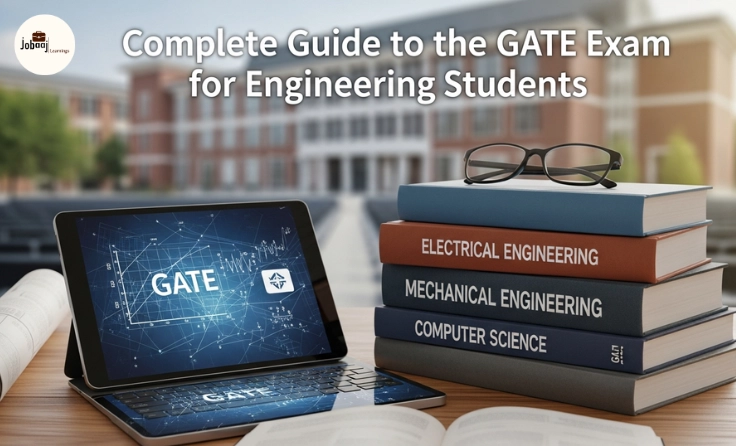
For many engineering students, the Graduate Aptitude Test in Engineering (GATE) is a significant stepping stone toward a successful career in academia or industry. Whether you're aiming for a master’s degree in engineering, looking to work in a public sector company, or even planning to take up research, GATE is one of the most respected exams in India.
But here’s the thing: Preparing for GATE can be a bit overwhelming. With so many subjects, a competitive pool of candidates, and high expectations, how do you even begin? How do you organize your preparation? Don't worry—this guide will walk you through everything you need to know about the GATE exam. From understanding the exam structure to effective preparation strategies, we’ve got all the essential information to help you succeed.
What is the GATE Exam?
GATE is a national-level examination that primarily tests your understanding of various engineering concepts and your problem-solving abilities. It is conducted jointly by several IITs (Indian Institutes of Technology) and IISc (Indian Institute of Science) for admission to postgraduate engineering programs. Apart from higher studies, GATE scores are also used by public sector companies for recruitment, making it an essential exam for many.
The GATE exam is computer-based and consists of multiple-choice questions (MCQs), multiple-select questions (MSQs), and numerical answer type (NAT) questions. The exam tests your knowledge in a specific engineering discipline and evaluates your understanding of core subjects related to your branch.
Key Details and Dates for GATE 2026
Before diving into the preparation strategies, it's essential to know the important dates and exam details for GATE 2026:
-
Notification Release: July 2026
-
Online Registration Start Date: August 2026
-
Online Registration End Date: September 2026
-
Admit Card Release: January 2027
-
GATE Exam Dates: February 2027
-
Result Announcement: March 2027
-
Counseling (for IITs/IISc): April 2027
Make sure to regularly check the official GATE website for any updates on exam dates or changes in the process.
Exam Pattern and Structure for GATE 2026
Understanding the GATE exam pattern is crucial to your preparation. Here’s an overview of what you can expect in the exam:
1. Number of Papers:
GATE 2026 will have 27 papers in total, covering a wide range of engineering disciplines. You’ll need to choose the paper that aligns with your undergraduate degree and your career goals.
2. Types of Questions:
The GATE exam consists of three types of questions:
-
Multiple Choice Questions (MCQs): These questions have four options, and you need to choose the correct one.
-
Multiple-Select Questions (MSQs): Here, more than one option may be correct. You have to select all correct answers.
-
Numerical Answer Type (NAT): These questions don’t provide options. You need to type in a numerical answer.
3. Sections in the Paper:
Each GATE paper consists of two main sections:
-
General Aptitude (15% of the total marks): This section tests your logical reasoning, verbal ability, and numerical ability. It is common across all papers.
-
Subject-specific Questions (85% of the total marks): These questions are specific to your engineering discipline (e.g., Civil Engineering, Computer Science, Electrical Engineering, etc.) and test your understanding of the core subjects in your field.
4. Duration and Marks:
-
Duration: The exam is 3 hours long.
-
Total Marks: The exam is out of 100 marks, with different marks assigned to various sections and types of questions.
How to Prepare for GATE 2026
The key to cracking the GATE exam is strategic preparation. Here’s how you can effectively prepare for GATE 2026:
1. Understand the Syllabus Thoroughly
The first step in preparing for GATE is to know the syllabus for your specific paper. GATE syllabi are well-defined and cover core subjects from your undergraduate engineering curriculum. Understanding the syllabus ensures you don’t waste time studying unnecessary topics and can focus on areas that matter most.
Make a checklist of the subjects and topics covered under each section. Prioritize the subject-specific topics, as they carry the most weight in the exam, but don’t ignore the General Aptitude section either.
2. Create a Study Plan
Creating a structured study plan is essential to stay on track. Here’s how you can do that:
-
Set Weekly Goals: Break down your syllabus into manageable portions and set clear weekly goals.
-
Allocate Time: Set aside time for theory, problem-solving, revision, and mock tests.
-
Balance Subjects: Don’t ignore any subject, even if you’re stronger in certain areas. Balance your preparation and focus on weak spots.
3. Study Material and Books
Selecting the right study material is crucial for GATE preparation. Stick to standard textbooks and resources recommended by experts. Here are a few trusted materials:
-
Core Books: For each subject, refer to textbooks prescribed during your undergraduate studies. For example, H.C. Verma for Physics, RS Aggarwal for Aptitude, and subject-specific books for core topics.
-
GATE-specific Books: Many publishers provide GATE-specific books that contain previous years’ papers, mock tests, and theory. Popular ones include GATE 2026 Masterpiece by Made Easy, and GATE Previous Year Papers by Arihant.
-
Online Resources: Platforms like BYJU’s, Unacademy, and Gradeup offer courses, videos, and mock tests tailored to GATE preparation.
4. Practice Regularly
-
Solve Previous Year’s Papers: Solving GATE papers from the last 5 years helps you understand the exam pattern, types of questions, and important topics.
-
Mock Tests: Regularly attempt mock tests to simulate real exam conditions. This will help you manage time and increase your accuracy.
-
Revision: Revise regularly to keep concepts fresh in your mind. Allocate time each week for quick revision of previously studied topics.
5. Focus on Time Management
Time management is crucial in GATE preparation. It’s not enough to know the material; you also need to be able to solve questions quickly and efficiently.
-
Speed and Accuracy: Practice solving questions under time constraints to improve your speed without compromising on accuracy.
-
Mock Exams: Take at least one full-length mock test every week to track your progress and identify areas of improvement.
6. Stay Consistent and Motivated
Preparing for GATE is a marathon, not a sprint. Staying consistent is the key to success. Set aside dedicated study time each day, but also remember to take breaks to avoid burnout. Keeping a positive mindset and staying motivated is crucial during the months of preparation.
Tips for Success in the GATE Exam
-
Stay Healthy: Don’t ignore your health. Regular physical activity and a balanced diet will help keep your mind and body fit for intense studying.
-
Focus on Concepts: GATE tests your understanding of core concepts rather than rote memorization. Focus on building conceptual clarity.
-
Analyze Your Weaknesses: Regularly assess your performance in mock tests and focus more on the areas where you are weak.
-
Stay Calm During the Exam: GATE is a competitive exam, and it’s easy to feel overwhelmed. Stay calm, read questions carefully, and manage your time effectively during the exam.
Conclusion
Preparing for the GATE 2026 exam can be a challenging yet rewarding journey. By following a strategic study plan, practicing regularly, and staying motivated, you can achieve success. Remember, GATE isn’t just about hard work; it’s about smart preparation and focusing on the right areas. Stay committed, stay focused, and with the right approach, you’ll be ready to take on the exam and achieve your goals.
Good luck with your GATE 2026 preparation!
Frequently asked questions
What is the GATE Exam?
The Graduate Aptitude Test in Engineering (GATE) is an entrance exam for postgraduate engineering programs and is used by public sector companies for recruitment. It tests knowledge in various engineering subjects.
When will the GATE 2026 exam be held?
The GATE 2026 exam is expected to be held in February 2027. Exact dates will be announced in the official notification released in July 2026.
How can I prepare for the GATE exam effectively?
Start by understanding the syllabus, creating a study plan, and practicing with previous year’s papers and mock tests. Stay consistent and revise regularly to strengthen your understanding of key concepts.
What is the GATE exam pattern?
The GATE exam consists of multiple-choice questions, multiple-select questions, and numerical answer type questions. It covers subjects like Physics, Chemistry, and your engineering discipline, with a focus on conceptual clarity.
How do I manage time during GATE preparation?
Time management is crucial for GATE preparation. Practice solving questions quickly under time constraints, and regularly take mock tests to gauge your speed and accuracy. Set a fixed study schedule and stick to it.
What are the best resources for GATE preparation?
NCERT books, standard textbooks, GATE-specific books, and online platforms like BYJU’s, Unacademy, and Gradeup are some of the best resources for GATE preparation.

Join 5,00,000+ Subscribers
Be a part of our ever growing community.