Categories








































Understanding how customers feel about a brand, product, or service is no longer optional it’s crucial for success in today’s competitive market. Companies are increasingly relying on customer sentiment analysis to make data-driven decisions, improve experiences, and build lasting relationships.
This guide explains what customer sentiment analysis is, how it works, key features, tools, examples, benefits, challenges, and best practices everything you need to understand user behavior effectively.
What is Customer Sentiment Analysis?
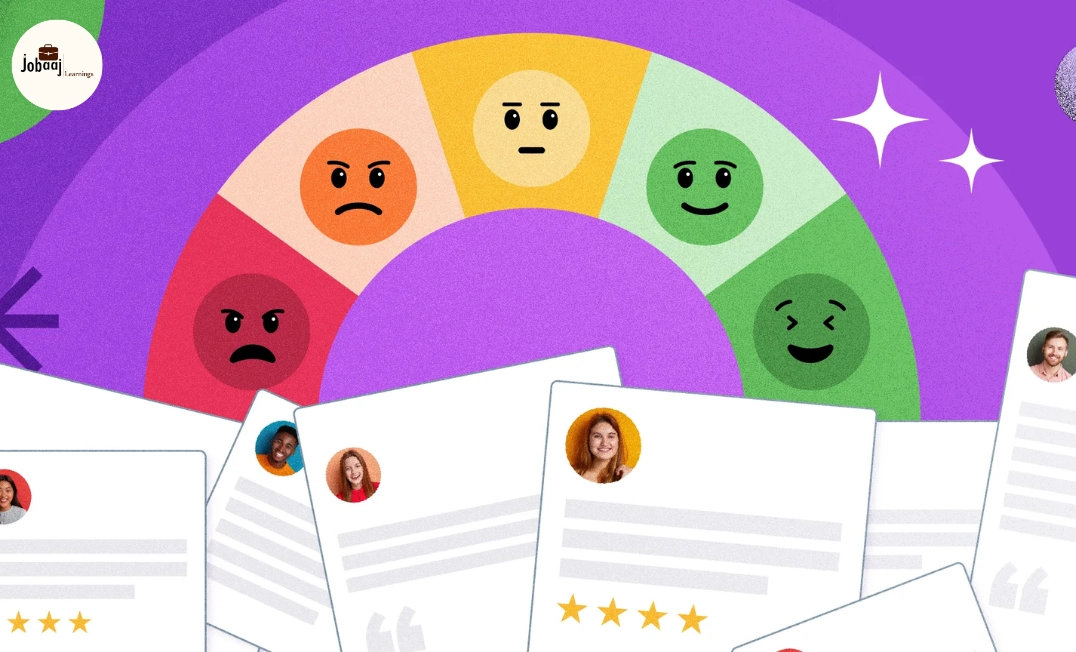
Customer sentiment analysis, also known as opinion mining, is the process of identifying, extracting, and analyzing opinions, emotions, and attitudes expressed by customers about a brand, product, or service.
- It interprets textual, vocal, or social media data to classify sentiments as positive, negative, or neutral.
- It helps organizations understand how customers perceive their offerings in real-time.
Example: A social media comment saying, “I love the new update; it’s so easy to use!” would be classified as a positive sentiment.
How Does Customer Sentiment Analysis Work?
- Data Collection: Gather customer feedback from multiple sources social media, reviews, surveys, call center transcripts, and emails.
- Data Preprocessing: Clean and normalize the data by removing noise, correcting typos, and standardizing language.
- Sentiment Detection: Use Natural Language Processing (NLP) and machine learning algorithms to classify sentiments.
- Analysis & Visualization: Aggregate the results and create dashboards, charts, or reports for actionable insights.
- Actionable Insights: Use the insights to improve products, services, marketing, and customer support.
Key Features of Customer Sentiment Analysis
- Multi-Channel Analysis: Can analyze feedback from social media, emails, reviews, and chatbots.
- Real-Time Monitoring: Enables brands to respond promptly to customer concerns.
- Emotional Tone Detection: Goes beyond positive/negative; can detect anger, joy, satisfaction, or frustration.
- Trend Analysis: Identifies patterns over time to track improvements or declines in customer perception.
- Predictive Insights: Forecasts potential churn, customer satisfaction, and market trends.
Tools for Customer Sentiment Analysis
- Lexalytics – Analyzes text for sentiment, themes, and categories.
- MonkeyLearn – NLP-based tool for automated sentiment classification.
- Brandwatch – Social media monitoring with sentiment tracking.
- Sprout Social – Customer engagement and sentiment analytics.
- Google Cloud Natural Language API – Extracts sentiment from structured and unstructured text.
Benefits of Customer Sentiment Analysis
- Improved Customer Experience: Understand what customers love or dislike and make improvements.
- Data-Driven Decision Making: Base product or service changes on real insights rather than assumptions.
- Proactive Issue Resolution: Detect negative sentiment early and resolve issues before escalation.
- Marketing Optimization: Tailor campaigns to align with customer emotions and preferences.
- Competitive Advantage: Monitor competitor sentiment to stay ahead in the market.
Challenges in Customer Sentiment Analysis
- Complex Language & Slang: Sarcasm, slang, and context can lead to misinterpretation.
- Data Volume: Processing large amounts of unstructured data can be resource-intensive.
- Multilingual Feedback: Customers may provide feedback in multiple languages, requiring advanced NLP models.
- Integration: Combining sentiment data with other business metrics for actionable insights can be challenging.
Best Practices for Effective Sentiment Analysis
- Combine Quantitative & Qualitative Data: Use sentiment scores alongside metrics like NPS, CTR, or retention.
- Regular Monitoring: Track sentiment continuously for trends and early detection of issues.
- Segment Analysis: Analyze sentiment by product, region, or customer demographics.
- Human Review: Combine automated analysis with human validation for nuanced insights.
- Act on Insights: Ensure that findings are translated into real actions that improve customer experience.
Conclusion
Customer sentiment analysis is a powerful tool for understanding user behavior. By leveraging data from reviews, social media, surveys, and other channels, businesses can gain actionable insights, improve customer satisfaction, and make informed strategic decisions.
Focusing on sentiment enables organizations to stay proactive, responsive, and aligned with customer expectations, ultimately driving growth and loyalty in a competitive market.
Frequently asked questions
What is customer sentiment analysis?
Customer sentiment analysis is the process of evaluating customer feedback to determine their emotions, opinions, and attitudes toward a brand, product, or service.
How does sentiment analysis help businesses?
It helps businesses understand customer satisfaction, identify issues, optimize marketing strategies, and improve products or services based on real feedback.
Which tools are commonly used for sentiment analysis?
Popular tools include Lexalytics, MonkeyLearn, Brandwatch, Sprout Social, and Google Cloud Natural Language API.
What challenges are faced in sentiment analysis?
Challenges include interpreting complex language, sarcasm, multilingual feedback, processing large volumes of data, and integrating results with business decisions.
How can companies ensure effective sentiment analysis?
Combine automated analysis with human validation, monitor continuously, segment data, and act on insights to improve customer experience and business outcomes.

Join 5,00,000+ Subscribers
Be a part of our ever growing community.