Categories








































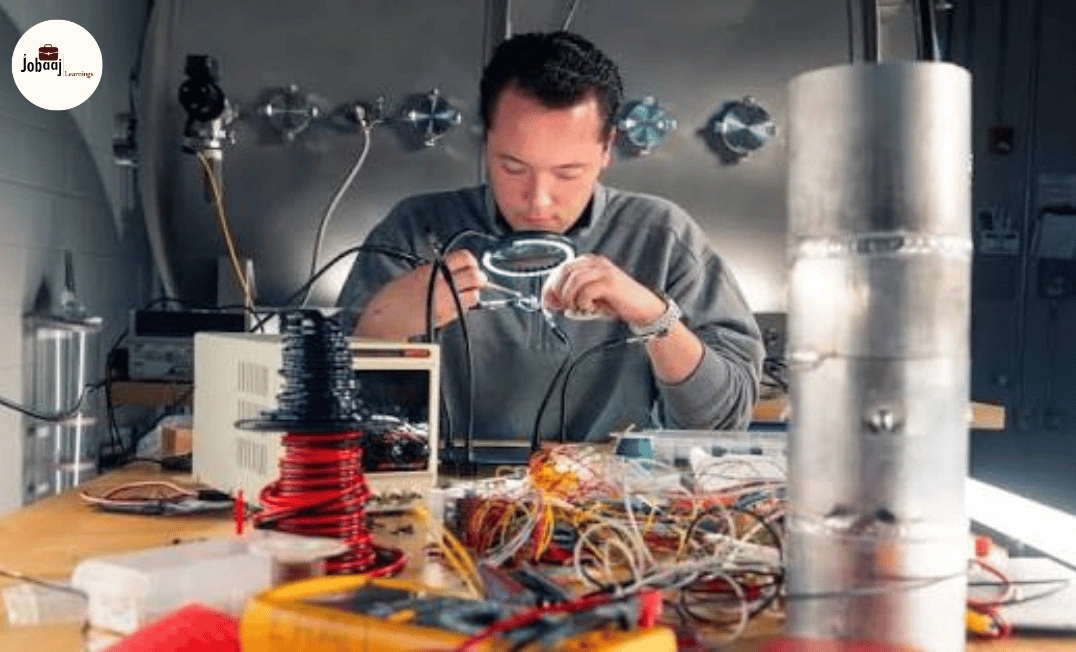
Electrical engineering has always been one of the most important engineering fields because almost every modern technology depends on electricity.
However, the role of electrical engineers is changing rapidly.
The growth of renewable energy, electric vehicles, automation, artificial intelligence, smart infrastructure and advanced electronics is creating new career opportunities beyond traditional power systems.
Future electrical engineers will not only work with circuits and power plants. They will design energy systems, develop electric mobility solutions, build intelligent grids and create technologies that power the next generation of industries.
This makes electrical engineering one of the fields with strong long-term career potential.
Why Electrical Engineering Jobs Are Changing
The demand for electrical engineers is increasing because the world is moving towards:
- Clean energy
- Electrification of transportation
- Smart cities
- Industrial automation
- Energy-efficient systems
- Advanced electronics
Companies need engineers who can design, maintain and improve these technologies.
Traditional electrical roles are still important, but future opportunities will come from combining electrical knowledge with software, automation and emerging technologies.
Top Future Electrical Engineering Jobs
1. Renewable Energy Engineer
The shift towards clean energy is creating major opportunities in renewable power systems.
Renewable energy engineers work on designing and managing systems that generate electricity from sustainable sources.
They work with:
- Solar power plants
- Wind energy systems
- Energy storage solutions
- Battery technologies
- Power management systems
Skills Required:
- Power electronics
- Electrical systems
- Energy management
- Solar PV systems
- Battery technology
Career Opportunities:
- Solar Design Engineer
- Renewable Energy Engineer
- Energy Systems Engineer
- Power Plant Engineer
The growth of renewable energy is expected to increase demand for engineers who can build efficient and reliable energy systems.
2. Electric Vehicle (EV) Engineer
Electric vehicles are transforming the automotive industry.
EV engineers work on the electrical systems that power modern vehicles.
They focus on:
- Battery systems
- Electric motors
- Charging infrastructure
- Vehicle electronics
- Power management
Skills Required:
- Battery technology
- Power electronics
- Motor control
- Embedded systems
- Vehicle systems
Job Roles:
- EV Design Engineer
- Battery Engineer
- Power Electronics Engineer
- Charging Infrastructure Engineer
With increasing EV adoption, this is becoming one of the fastest-growing areas for electrical engineers.
3. Power Systems Engineer
Power systems engineers remain essential because electricity demand continues to grow.
They design and manage systems responsible for electricity generation, transmission and distribution.
Responsibilities:
- Designing electrical networks
- Managing power distribution systems
- Improving grid reliability
- Analysing power flow
- Maintaining electrical infrastructure
Skills Required:
- Power system analysis
- Electrical machines
- Grid systems
- Protection systems
- Simulation tools
Future power systems will become smarter, creating demand for engineers who understand both electricity and digital technologies.
4. Smart Grid Engineer
Traditional electricity grids are becoming intelligent through digital technology.
Smart grid engineers develop systems that improve energy efficiency and reliability.
They work on:
- Automated power distribution
- Real-time monitoring
- Smart meters
- Energy management systems
Skills Required:
- Power systems
- Data analysis
- IoT technology
- Communication systems
- Grid automation
Smart grids will become increasingly important as countries adopt renewable energy and distributed power generation.
5. Robotics and Automation Engineer
Industries are becoming more automated, creating demand for engineers who understand electrical systems and control technology.
Automation engineers design and maintain:
- Industrial robots
- Automated production systems
- Control systems
- Smart machines
Skills Required:
- Control systems
- PLC programming
- Sensors
- Robotics
- Industrial automation
Job Roles:
- Automation Engineer
- Control Systems Engineer
- Robotics Engineer
Electrical engineers with automation skills can work in manufacturing, automotive and industrial technology companies.
6. Embedded Systems Engineer
Modern devices depend on embedded electronics.
Embedded systems engineers develop the electronic systems that control products.
Applications include:
- Consumer electronics
- Medical devices
- Automotive systems
- Industrial equipment
- IoT devices
Skills Required:
- Microcontrollers
- Circuit design
- C programming
- Embedded systems
- Hardware testing
This career combines electrical engineering with programming and software knowledge.
7. Power Electronics Engineer
Power electronics is becoming increasingly important because modern systems require efficient power conversion.
Power electronics engineers design systems used in:
- Electric vehicles
- Renewable energy
- Industrial equipment
- Battery systems
Skills Required:
- Semiconductor devices
- Power converters
- Inverters
- Motor drives
- Circuit design
This field is expected to grow because almost every electrification technology depends on efficient power management.
8. Semiconductor and Electronics Engineer
The growth of electronics, artificial intelligence and connected devices is increasing demand for semiconductor professionals.
Electrical engineers work on:
- Chip design
- Electronic circuits
- Hardware development
- Testing systems
Skills Required:
- Digital electronics
- VLSI design
- Semiconductor fundamentals
- Circuit simulation
Job Roles:
- VLSI Engineer
- Electronics Design Engineer
- Semiconductor Engineer
9. Electrical Design Engineer
Electrical design engineers create electrical systems for buildings, machines and products.
They work on:
- Electrical layouts
- Wiring systems
- Circuit diagrams
- Component selection
Industries:
- Manufacturing
- Construction
- Automotive
- Aerospace
- Industrial equipment
Skills Required:
- AutoCAD Electrical
- Electrical drawings
- Circuit design
- Engineering standards
10. Data Centre Electrical Engineer
The growth of cloud computing and artificial intelligence is increasing demand for data centres.
Data centre electrical engineers manage critical power infrastructure.
They work on:
- Power distribution
- Backup systems
- UPS systems
- Cooling coordination
- Electrical safety
Skills Required:
- Power systems
- Electrical maintenance
- Energy management
- Data centre infrastructure
Skills Electrical Engineers Need for Future Jobs
Power Electronics
Power electronics is becoming a core skill because electric vehicles, renewable energy and battery systems depend on efficient power control.
Automation and Control Systems
Knowledge of:
- PLC
- SCADA
- Industrial automation
- Sensors
helps engineers work in smart manufacturing environments.
Programming Skills
Basic programming is becoming valuable.
Useful languages:
- C/C++
- Python
- MATLAB
Programming helps engineers work with automation, simulations and embedded systems.
Simulation Tools
Future engineers should learn tools such as:
- MATLAB Simulink
- ETAP
- PSCAD
- LTspice
- AutoCAD Electrical
These tools help engineers design and test systems before implementation.
Data and IoT Knowledge
Modern electrical systems are becoming connected.
Understanding:
- Sensors
- IoT devices
- Data monitoring
- Communication protocols
can create additional career opportunities.
Electrical Engineering Salary in India
Salary depends on skills, industry, experience and specialisation.
|
Role |
Experience |
Salary Range |
|
Electrical Engineer |
Fresher |
₹3 lakh - ₹6 lakh/year |
|
Power Systems Engineer |
2–5 years |
₹6 lakh - ₹12 lakh/year |
|
Automation Engineer |
2–5 years |
₹7 lakh - ₹15 lakh/year |
|
EV Engineer |
2–5 years |
₹8 lakh - ₹18 lakh/year |
|
Senior Electrical Specialist |
5+ years |
₹15 lakh - ₹30 lakh+/year |
Engineers with specialised skills in EV technology, renewable energy, automation and semiconductor design often have higher growth potential.
How to Prepare for Future Electrical Engineering Jobs
Step 1: Strengthen Core Electrical Concepts
Focus on:
- Circuit analysis
- Electrical machines
- Power systems
- Electronics
- Control systems
Step 2: Add Modern Technology Skills
Learn:
- Programming
- Simulation software
- Automation tools
- Renewable energy concepts
- Embedded systems
Step 3: Build Practical Projects
Examples:
- Solar power monitoring system
- EV charging prototype
- IoT-based energy management system
- Automated control system
- Embedded electronics project
Projects help demonstrate practical ability.
Step 4: Gain Industry Experience
Start through:
- Internships
- Graduate engineer trainee roles
- Research projects
- Technical certifications
Future of Electrical Engineering Careers
Electrical engineering will continue to evolve as the world becomes more dependent on electricity and intelligent systems.
The strongest opportunities will come from areas such as:
- Renewable energy
- Electric vehicles
- Smart grids
- Robotics
- Semiconductor technology
- Automation
- Energy storage
Future electrical engineers will need to combine traditional engineering knowledge with digital skills.
Final Thoughts
Electrical engineering is moving beyond traditional power generation and maintenance roles.
The future belongs to engineers who can work at the intersection of electricity, software and emerging technologies.
Careers in EVs, renewable energy, automation, smart grids, semiconductors and embedded systems are creating new opportunities for electrical engineers.
Students who build strong fundamentals and continuously upgrade their technical skills can build a successful career in this evolving field.
Frequently asked questions
Which electrical engineering field has the best future?
Fields such as electric vehicles, renewable energy, automation, power electronics, smart grids and semiconductor technology have strong future potential. These areas are growing because industries are moving towards electrification, clean energy and intelligent systems.
Is electrical engineering still a good career in 2026?
Yes, electrical engineering remains a valuable career because modern technologies depend on electrical systems. The field is expanding into new areas like EVs, renewable energy, robotics and automation, creating opportunities beyond traditional electrical jobs.
What skills should electrical engineers learn for future jobs?
Electrical engineers should learn power electronics, automation, programming, simulation tools, embedded systems and data technologies. Combining core electrical knowledge with modern digital skills can improve career opportunities.
Can electrical engineers work in the EV industry?
Yes, electrical engineers play an important role in electric vehicle development. They work on battery systems, charging infrastructure, motors, power electronics and vehicle control systems.
Which software tools are useful for electrical engineers?
Useful tools include MATLAB Simulink, ETAP, PSCAD, AutoCAD Electrical, LTspice and simulation software used for circuit design and power system analysis. Learning industry-relevant tools can improve job readiness.

Join 5,00,000+ Subscribers
Be a part of our ever growing community.