Categories














/content/learnings/assets/header/ManagementConsulting.svg)
/content/learnings/assets/header/InvestmentBanking.svg)


























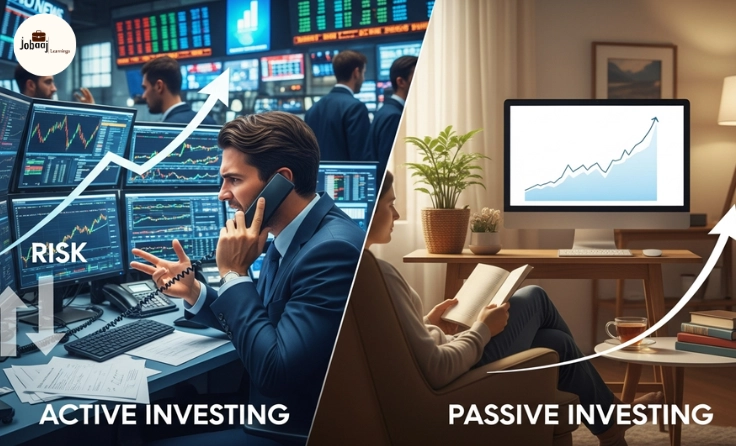
In a world full of investment options, it can be easy to get lost in jargon. Active and passive investing are two common strategies that shape how we approach managing our money in the market. They each have their own pros and cons, and understanding them is key to making decisions that align with your financial goals. So let’s dive into both, break down what they really mean, and help you figure out which strategy fits your style.
Exploring a career in Investment Banking? Apply now!
What is Active Investing?
Active investing is exactly what it sounds like: a hands-on approach. In this strategy, investors whether individual or professional fund managers are actively involved in selecting and managing investments. The goal here is to beat the market. Active investors believe that they can make informed decisions to pick the right stocks, bonds, or other securities that will outperform the broader market index.
For example, let’s say you decide to invest in individual stocks of tech companies like Apple, Tesla, or Amazon. You research these companies, analyze their earnings reports, study market trends, and make decisions based on your findings. If your picks perform better than a market index like the S&P 500, you've outperformed the market, which is the ultimate goal of active investing.
Active investors also adjust their portfolios regularly, buying or selling based on market conditions, news, and trends. While the strategy can potentially lead to higher returns, it often comes with greater risk and requires more time and expertise.
What is Passive Investing?
In contrast, passive investing takes a more laid-back approach. Instead of trying to beat the market, passive investors aim to match its performance. This strategy involves buying and holding investments, typically through low-cost index funds or ETFs (Exchange-Traded Funds), which track the performance of a broad market index, like the S&P 500 or the NASDAQ.
Think of it as setting your investments on “autopilot.” Instead of trying to predict which stocks will rise or fall, passive investors focus on the long-term growth of the market as a whole. This method doesn’t require constant monitoring, and the goal is to capture the general market returns without the need to actively trade or make frequent adjustments.
For example, if you invest in an S&P 500 index fund, you’re essentially betting that the overall U.S. stock market will continue to grow over time. These index funds typically offer lower fees and lower risk compared to active investing, as they’re diversified across many different stocks. Set it and forget it is a good way to describe passive investing once your money is invested, you don’t need to worry about it too much.
Key Differences Between Active and Passive Investing
Now that you have an idea of what each strategy is about, let’s break down the key differences to help you better understand how they compare:
1. Management Style
Active investing requires hands-on management, with investors regularly making buy, sell, or hold decisions. The investor or fund manager takes an active role in managing the portfolio.
On the other hand, passive investing follows a buy-and-hold strategy. Investors choose a fund or ETF that tracks an index and then leave it to grow over time, with minimal intervention.
2. Cost
Active investing tends to be more expensive. There are typically higher management fees because investors pay for the expertise and time of fund managers. Additionally, frequent buying and selling can lead to higher transaction costs.
Passive investing, however, is known for being cost-effective. The fees are much lower, as these funds are designed to track the market, not outperform it. There's less trading involved, so the costs are generally minimal.
3. Risk
Active investing involves higher risk, as it depends on making the right decisions at the right time. If an investor’s stock picks underperform or if market predictions don’t pan out, they could end up losing money.
Passive investing, on the other hand, generally carries lower risk. Because it’s diversified across a range of assets, there’s less chance of significant losses from any one stock. However, it’s also unlikely to significantly outperform the market so the risk comes with missing out on higher gains.
4. Time Commitment
Active investing requires a lot of time and effort. If you’re managing your portfolio, you’ll need to constantly monitor the market, read financial reports, and adjust your investments.
Passive investing is hands-off. Once you’ve set your portfolio up, you don’t need to spend much time managing it, as long as you’re happy with tracking an index fund.
5. Returns Potential
Active investing has the potential for higher returns, but there’s also a greater risk of losses. By trying to pick individual stocks that outperform the market, active investors are betting on their ability to choose winners.
Passive investing generally aims for average market returns, meaning the potential for massive gains is lower. However, it provides consistent, steady returns over time, especially in a growing market.
Which Strategy is Right for You?
|
Aspect |
Active Investing |
Passive Investing |
|
Management Style |
Hands-on, actively managed by investors or fund managers. |
Buy-and-hold strategy, minimal management once set. |
|
Cost |
Higher fees due to management and frequent trades. |
Lower fees, as it tracks an index with little maintenance. |
|
Risk |
Higher risk due to active decision-making and market timing. |
Lower risk due to diversification and less frequent changes. |
|
Time Commitment |
Requires constant monitoring and adjustments. |
Minimal time needed, once set, it runs automatically. |
|
Returns Potential |
Potential for higher returns, but also higher risk. |
Typically offers market-average returns, more steady growth. |
The choice between active and passive investing largely depends on your goals, risk tolerance, and how involved you want to be in managing your portfolio.
If you enjoy researching investments, staying up-to-date on the market, and have a higher risk tolerance, active investing could be a good fit. It can lead to higher returns, but you’ll need the time, expertise, and willingness to manage the ups and downs of the market.
On the other hand, if you prefer a hands-off approach, want to minimize costs, and are looking for a long-term strategy, passive investing is likely a better option. It’s an excellent choice for beginners or anyone who doesn’t want to dedicate a lot of time to managing their investments.
Conclusion
Both active and passive investing have their place in the investment world, and each offers its own set of advantages and challenges. Active investing gives you the potential for higher returns, but it comes with higher costs and risks. Passive investing is cost-effective and less risky, but it may not give you the chance to beat the market.
Understanding these strategies can help you make an informed decision about how you want to approach your investments. Whether you choose to actively manage your portfolio or prefer the steady approach of passive investing, the key is finding a strategy that aligns with your financial goals and your level of involvement. Remember, there's no one-size-fits-all solution. Both strategies can work together in a well-balanced investment plan.
Dreaming of a Finance career? Start with Investment Banking Certification with Jobaaj Learnings.
Frequently asked questions
What is active investing?
Active investing involves hands-on management, where investors or fund managers make decisions to buy, sell, or hold assets in an attempt to outperform the market.
What is passive investing?
Passive investing involves tracking a market index, such as the S&P 500, and typically involves buying and holding investments for the long term, with minimal changes or intervention.
Which is riskier, active or passive investing?
Active investing is generally riskier because it involves making frequent changes to your portfolio in an attempt to outperform the market. Passive investing is less risky because it involves a diversified portfolio that tracks the market, providing more consistent returns.
Is active investing more expensive than passive investing?
Yes, active investing tends to have higher fees due to the active management and frequent trading involved. Passive investing usually has lower fees because it requires less maintenance and fewer transactions.
Can I use both active and passive investing in my portfolio?
Yes, many investors use a combination of both strategies. They might actively manage a portion of their portfolio while using passive investments for the rest, helping to balance risk and reward.
How do I choose between active and passive investing?
Your choice depends on your investment goals, time commitment, and risk tolerance. Active investing is better for those looking for higher returns and willing to spend time managing their investments, while passive investing is ideal for those who prefer a more hands-off approach with lower costs.

Join 5,00,000+ Subscribers
Be a part of our ever growing community.