Categories














/content/learnings/assets/header/ManagementConsulting.svg)
/content/learnings/assets/header/InvestmentBanking.svg)



























/content/learnings/assets/header/programs/1.png)
/content/learnings/assets/header/programs/4.png)

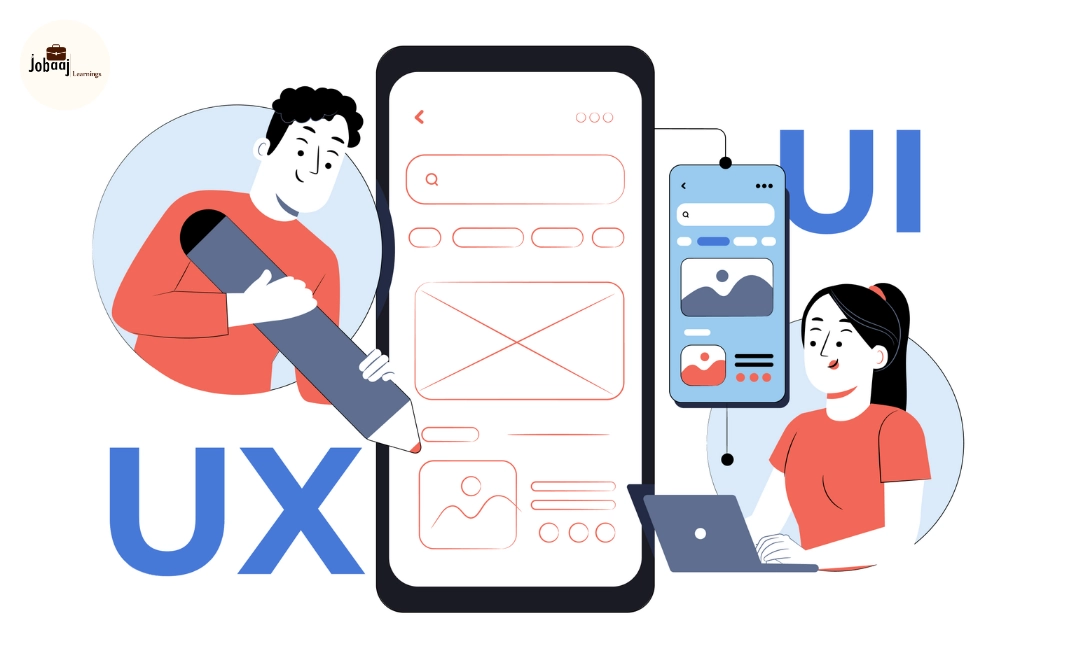
In the world of digital product design, two terms that are often used interchangeably are UX design and UI design. While they are closely related, they refer to distinct aspects of the design process, and understanding the difference between the two is crucial for both designers and users.
Exploring a career in Web Development? Apply now!
When developing a digital product be it a website, mobile app, or software interface
both UX and UI play critical roles in how users interact with and perceive the product. While UX design focuses on the overall experience, ensuring that the product is user-friendly, functional, and solves the user’s problems, UI design deals with the specific visual aspects that make the product aesthetically pleasing and intuitive to use.
In this blog, we will break down the differences between UX and UI, explain the roles they each play in the design process, and highlight how both work together to create a seamless user experience.
What is UX Design?
UX Design, or User Experience Design, is about designing a product with the user’s needs, behaviors, and emotions at the center of the design process. The goal of UX design is to ensure that users have a positive experience when interacting with the product, from start to finish.
Key aspects of UX design include:
- User Research: UX designers spend a significant amount of time understanding users' goals, behaviors, and pain points. This is done through surveys, interviews, and user testing to gather insights.
- Wireframes and Prototypes: UX designers create wireframes and prototypes that outline the structure and flow of the product, focusing on how users will interact with it and how they’ll navigate between screens or features.
- Usability Testing: UX designers continuously test the product with real users to ensure that it meets their needs, is easy to use, and works as intended.
- Information Architecture: A big part of UX design is organizing content in a way that makes sense and is easy for users to understand. Information architecture focuses on how content is structured and accessed by the user.
In essence, UX design is about making the product useful, usable, and pleasurable to interact with.
What is UI Design?
UI Design, or User Interface Design, refers to the visual aspects of a product. It’s about designing the look and feel of the product, making it visually appealing and ensuring that users can interact with it in an intuitive way. While UX design deals with the structure and functionality of a product, UI design focuses on its aesthetic qualities.
Key aspects of UI design include:
- Visual Design: UI designers choose color schemes, typography, buttons, and icons. They design each element on the screen, from navigation bars to forms, ensuring it aligns with the brand and is visually cohesive.
- Interactive Elements: UI designers focus on how buttons, sliders, links, and other interactive elements look and behave when clicked, hovered over, or tapped. Their goal is to create a seamless, interactive experience.
- Consistency: UI designers ensure that visual elements are consistent throughout the product to create a unified and intuitive experience. Consistency in fonts, colors, and button styles across screens helps users feel more comfortable navigating the product.
- Responsiveness: UI designers make sure that the product looks good and functions well on all devices and screen sizes. This includes designing for mobile, tablet, and desktop versions of the product.
In essence, UI design is about making the product visually appealing, intuitive, and engaging to use.
Key Differences Between UX and UI Design
While both UX and UI are essential components of the design process, they each focus on different areas and require distinct skills.
Focus and Scope
- UX Design focuses on the overall experience and usability of the product. It involves understanding the user's journey and ensuring that the product meets their needs.
- UI Design focuses on the visual and interactive elements of the product, making it visually appealing and ensuring that users can interact with it effortlessly.
Process
- UX design typically starts with research, wireframing, and prototyping. It’s more about gathering insights from users and testing to find out what works.
- UI design starts once the basic structure is in place and works on defining the look and feel of the product. It involves selecting colors, typography, and the overall aesthetic of the interface.
Goal
- UX Design aims to make the product easy to use, efficient, and meaningful for the user. It’s about solving user problems and ensuring a positive experience.
- UI Design aims to make the product visually engaging, intuitive, and easy to navigate. It’s about making sure the design looks appealing and is aligned with the brand identity.
Skills Involved
- UX Designers need a deep understanding of user behavior, problem-solving, and information architecture. They need to be strong in research, testing, and interaction design.
- UI Designers need to be strong in graphic design, typography, color theory, and visual storytelling. They must have a good eye for detail and be able to work with design tools such as Adobe XD, Sketch, and Figma.
How Do UX and UI Work Together?
Despite their differences, UX and UI are two sides of the same coin. Great UX design ensures the product works as expected and meets user needs, while great UI design makes sure that the product is visually engaging and easy to interact with.
When UX and UI are working in harmony, they create a smooth, enjoyable experience for the user. UX designers focus on making sure the product is functional, while UI designers ensure that the product is visually attractive and easy to use. The collaboration between the two disciplines is essential for creating a product that both delights and engages users.
Conclusion
Both UX and UI design are integral to creating successful digital products. While they are distinct fields, their roles are complementary. Great UX design ensures that the product is useful, usable, and solves real problems, while great UI design makes sure it is visually engaging and easy to interact with. Understanding the difference between the two is essential for creating products that provide exceptional user experiences, drive user engagement, and ultimately succeed in the marketplace.
Dreaming of a Web Development Career? Start with Web Development Certificate with Jobaaj Learnings.
Frequently asked questions
What is the difference between UX and UI design?
UX design focuses on the overall experience and functionality of a product, ensuring that it is easy to use and solves user problems. UI design focuses on the visual appearance and interactive elements of a product, making sure it is visually appealing and user-friendly.
Why are UX and UI design both important?
Both UX and UI are crucial because they work together to ensure that a product is both usable and engaging. UX ensures the product meets user needs and is functional, while UI ensures it is visually appealing and easy to navigate, creating a positive user experience.
Can a person specialize in both UX and UI design?
While some designers specialize in both UX and UI, the two areas require different skill sets. Many designers prefer to focus on one area (e.g., UX research or UI graphic design) but work together with specialists in the other area to create a cohesive product.
What tools do UX and UI designers use?
UX designers often use tools like Figma, Sketch, InVision, and Adobe XD for wireframing and prototyping. UI designers use tools like Photoshop, Illustrator, Figma, and Sketch to design the visual elements of a product.
How do UX and UI design affect the overall user experience?
UX design ensures that a product is useful and easy to use, while UI design makes sure the product is visually engaging and provides an intuitive experience. Together, they create a seamless and enjoyable experience that enhances user satisfaction and engagement.

Join 5,00,000+ Subscribers
Be a part of our ever growing community.