Categories














/content/learnings/assets/header/ManagementConsulting.svg)
/content/learnings/assets/header/InvestmentBanking.svg)


























/content/learnings/assets/header/programs/1.png)
/content/learnings/assets/header/programs/4.png)

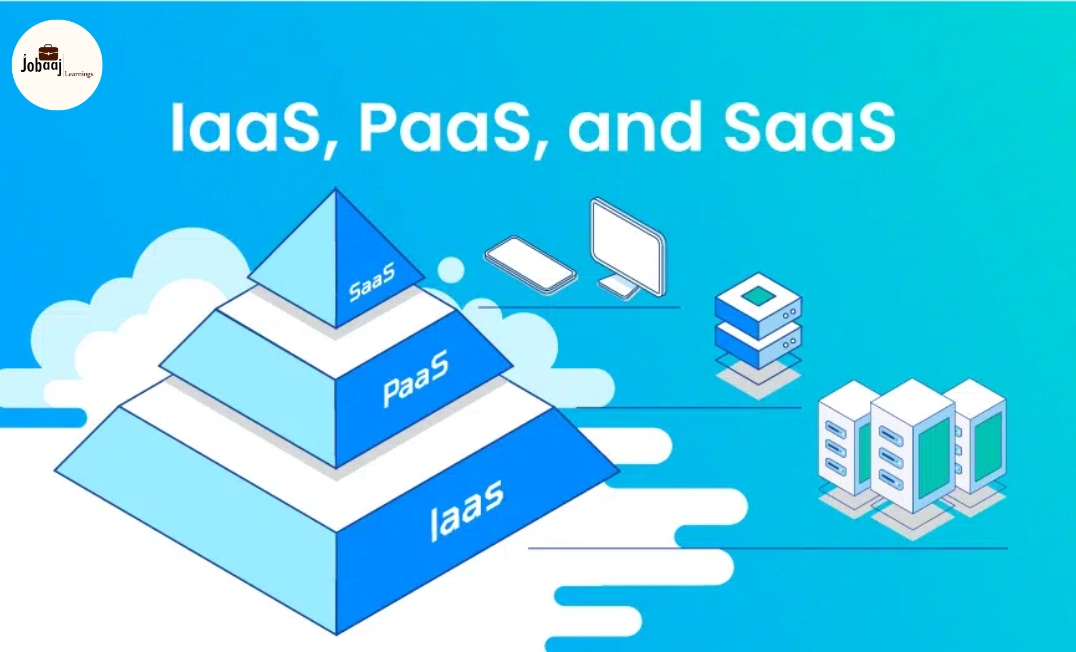
In today’s world, cloud computing has become the backbone of modern technology solutions. You’ve probably heard of IaaS, PaaS, and SaaS three models that define how businesses can leverage the power of the cloud. But what do these terms actually mean, and how do they differ from one another?
Exploring a career in Web Development? Apply now!
In this blog, we will dive deep into the differences between IaaS, PaaS, and SaaS, explaining each model in detail. Whether you're a student new to cloud computing or someone looking to explore these models for your business, this guide will help you understand the key distinctions and how each model can benefit you.
What is IaaS (Infrastructure as a Service)?
IaaS, or Infrastructure as a Service, is the most fundamental form of cloud service. It provides businesses with virtualized computing resources over the internet. With IaaS, companies don’t need to buy physical hardware like servers, storage devices, or networking equipment. Instead, they can rent these resources as needed, on-demand, from cloud providers.
Key Features of IaaS:
- You get access to virtual machines, storage, and networking without worrying about physical hardware.
- Resources can be scaled up or down based on demand, offering flexibility to businesses with fluctuating needs.
- It follows a pay-as-you-go model, meaning you only pay for the resources you actually use.
Common Examples of IaaS Providers:
- Amazon Web Services (AWS)
- Microsoft Azure
- Google Cloud Platform (GCP)
IaaS is perfect for businesses that want to control and customize their infrastructure without the high upfront costs and maintenance. It gives companies the flexibility to scale their computing resources according to changing demands.
What is PaaS (Platform as a Service)?
PaaS, or Platform as a Service, takes things a step further by providing a platform that allows businesses to build, deploy, and manage applications without having to deal with the underlying infrastructure. It offers a development environment and tools to help developers create software more efficiently, without worrying about maintaining the hardware or operating system.
Key Features of PaaS:
- PaaS provides a complete development environment, including tools for building and deploying applications.
- Developers can focus on writing code and creating features, while the platform manages the infrastructure.
- It typically offers integration tools like databases and messaging services, allowing developers to easily integrate apps with other software.
Common Examples of PaaS Providers:
- Google App Engine
- Microsoft Azure App Services
- Heroku
PaaS is designed for developers who want to build applications quickly and efficiently, without dealing with the infrastructure. It reduces the complexity of the development process and speeds up the time to market for new applications.
What is SaaS (Software as a Service)?
SaaS, or Software as a Service, is the most well-known cloud model. SaaS provides users with access to software applications via the internet. Rather than purchasing and installing software on individual devices, businesses and individuals can simply subscribe to the software they need and access it through a web browser.
Key Features of SaaS:
- SaaS applications are hosted and managed by the service provider, meaning businesses don’t have to worry about updates, maintenance, or infrastructure.
- Subscription-based model allows businesses to pay for the service as needed, with no upfront costs for software or hardware.
- Software can be accessed from anywhere, at any time, making it ideal for businesses with remote teams.
Common Examples of SaaS Providers:
- Google Workspace (formerly G Suite)
- Salesforce
- Dropbox
- Slack
SaaS applications eliminate the need for businesses to manage software installations, updates, and maintenance. They are especially beneficial for teams working remotely and require seamless access to software applications from any location.
Key Differences Between IaaS, PaaS, and SaaS
Now that we know what each model offers, let’s compare the three:
|
Feature |
IaaS |
PaaS |
SaaS |
|
Definition |
Virtualized computing resources |
Platform for building and managing applications |
Software applications via the internet |
|
Level of Control |
High (control over infrastructure) |
Medium (focuses on development) |
Low (software managed by provider) |
|
Management |
User manages OS, apps, and data |
Provider manages infrastructure; user manages apps |
Provider manages everything (infrastructure, software) |
|
Ideal Users |
IT teams, infrastructure managers |
Developers, software teams |
End-users, businesses, and individuals needing software |
|
Examples |
AWS, Microsoft Azure, Google Cloud |
Google App Engine, Heroku, Microsoft Azure App Service |
Google Workspace, Salesforce, Dropbox, Slack |
How to Choose Between IaaS, PaaS, and SaaS?
The best model for your needs depends on your specific requirements. Here’s a quick guide to help you decide:
- IaaS is ideal if you need complete control over your infrastructure and want to manage it yourself.
- PaaS is perfect for developers who need a platform to build and deploy applications quickly, without worrying about underlying hardware.
- SaaS is best for businesses or individuals who need access to software without managing infrastructure or worrying about maintenance.
Conclusion
Choosing the right cloud computing model IaaS, PaaS, or SaaS is essential to ensuring your business can scale and operate efficiently. While IaaS offers complete infrastructure control, PaaS streamlines the development process, and SaaS provides ready-to-use software applications with minimal management. By understanding these models, you’ll be able to make smarter decisions about which one fits your specific business needs.
With the growth of cloud computing, businesses of all sizes can leverage these models to improve efficiency, reduce costs, and stay competitive. The future of business is in the cloud, and understanding these core models will help you navigate that future with confidence.
Dreaming of a Web Development Career? Start with Web Development Certificate with Jobaaj Learnings.
Frequently asked questions
What is IaaS and how does it work?
IaaS (Infrastructure as a Service) provides businesses with virtualized computing resources like servers, storage, and networking. With IaaS, businesses can rent these resources instead of investing in physical infrastructure, allowing for flexibility and cost-efficiency.
What is PaaS and how is it used?
PaaS (Platform as a Service) provides a platform for developers to build, deploy, and manage applications without managing the underlying infrastructure. It offers tools and services to simplify software development, making it ideal for companies that focus on building apps.
What is SaaS and how does it benefit businesses?
SaaS (Software as a Service) delivers software applications via the internet. Businesses don’t need to install or maintain the software themselves. Instead, they can use it on a subscription basis. Popular SaaS examples include Google Workspace and Salesforce.
What are the key differences between IaaS, PaaS, and SaaS?
The main difference is the level of control and management. IaaS provides the infrastructure; PaaS provides a platform for building apps; SaaS offers ready-to-use software applications. IaaS gives businesses more control, while SaaS provides the most convenience with minimal management.
Which model should my business choose: IaaS, PaaS, or SaaS?
The choice depends on your business needs. Choose IaaS for infrastructure control, PaaS for rapid app development, and SaaS for ready-to-use software. Understanding your requirements will help you select the best option.

Join 5,00,000+ Subscribers
Be a part of our ever growing community.