Categories








































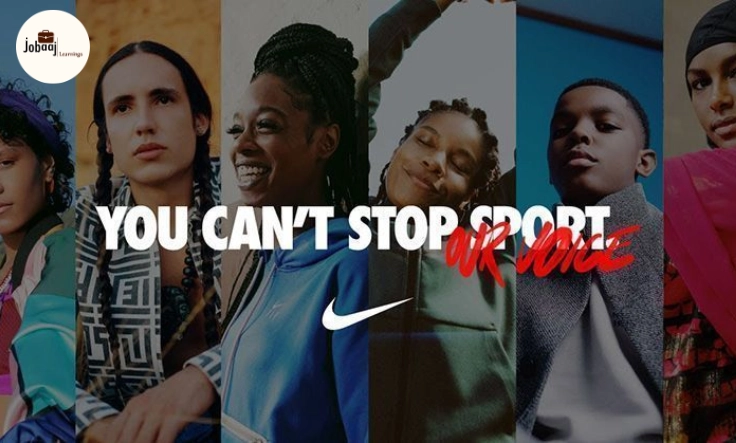
Remember that one Nike ad that gave you chills?
Yep — “You Can’t Stop Us.”
It wasn’t just an ad. It was a moment. A story. A feeling.
This campaign didn’t try to just sell you sneakers. It reminded you what it means to keep going, even when everything's against you. It tapped into something deeper — the resilience, unity, and raw human grit we all carry inside.
Let’s dive into what made this more than marketing — and why it still gives us goosebumps.
Exploring a career in Performance Marketing? Apply Now!
A Powerful Message of Resilience
The brilliance of “You Can’t Stop Us” lies in its timing and message. Nike launched the campaign in the middle of one of the most uncertain years in modern history. The world was facing a global pandemic that had halted daily life, shut down stadiums, and postponed the Olympics — an event athletes train their entire lives for. Beyond the pandemic, 2020 was a year of social unrest, political upheaval, and global anxiety. People everywhere were searching for hope and a reminder that they could endure.
This is where Nike stepped in. Instead of ignoring the chaos, the brand leaned into it. The campaign’s message was clear yet profound: sport unites us, inspires us, and empowers us to keep moving forward. The ad didn’t sugarcoat reality. Instead, it acknowledged the pain, the setbacks, and the challenges — but then flipped the perspective to remind us that resilience is part of the human condition.
The visuals drove this point home. Nike used split-screen editing to seamlessly connect athletes from different sports, cultures, and abilities. A skateboarder mirrored a basketball player’s movement. A fencer’s strike reflected in a boxer’s punch. A para-athlete matched stride for stride with an able-bodied competitor. These visuals weren’t just artistic — they symbolized the shared determination that links athletes across all boundaries. In doing so, Nike turned individual sports moments into a universal story of endurance and hope.
And let’s not forget the roster of athletes featured. Serena Williams, LeBron James, Megan Rapinoe, Naomi Osaka, and countless others filled the screen. These weren’t just big names; they were cultural icons who represented diversity, activism, and strength. Their presence reinforced Nike’s long-standing commitment to inclusivity — and made the message land even harder with global audiences.
Masterful Use of Music and Narration
What made this campaign emotionally unforgettable wasn’t just the visuals. It was the sound. Nike paired the ad with a remix of “Where Do We Go?” scored by Hans Zimmer, one of the most celebrated film composers of our time. The soundtrack built intensity as the ad progressed, swelling into a crescendo that matched the energy of the athletes onscreen. This wasn’t background music — it was an emotional driver that elevated the ad into something cinematic.
Layered over the music was narration by Megan Rapinoe, a U.S. soccer champion and outspoken activist. Her delivery wasn’t just a voiceover; it was a call to action. Every word carried weight because Rapinoe herself symbolized resilience and defiance. Her involvement gave the ad authenticity and grounded Nike’s message in lived experience.
Together, the narration and soundtrack turned what could have been a simple montage into a visceral experience. Viewers didn’t just watch the ad — they felt it. That’s the difference between advertising that sells and advertising that sticks.
Social Media Amplification
Nike didn’t stop at airing the ad. They knew its power lay in amplification. Through social media, the campaign became more than just a video — it became a rallying cry. The hashtag #YouCantStopUs exploded as athletes and fans began posting their own stories of perseverance. From teenagers training in backyards to Olympians stuck in lockdown, the internet became flooded with personal narratives that echoed Nike’s message.
This user-generated wave made the campaign bigger than Nike itself. It became a conversation, a community, and even a global movement. Social media also gave the campaign legs far beyond its launch date. Even months later, clips and hashtags were still circulating — proof that Nike had tapped into something timeless.
Meanwhile, mainstream media picked up on the buzz. Marketing publications dissected the creative strategy. Global news outlets framed it as a cultural moment rather than just an ad. By hitting the sweet spot between emotion, timing, and execution, Nike didn’t just create a campaign; they created an event.
The Lasting Impact
Nike’s “You Can’t Stop Us” campaign is often hailed as one of the best advertisements of the decade — and for good reason. It showed that when brands stop focusing on selling and start focusing on storytelling, they can reach audiences in ways that feel almost spiritual. The campaign’s legacy lies not just in its creativity, but in its relevance. It spoke directly to the global mood, offering a reminder of collective strength at a time when people needed it most.
More importantly, it redefined what performance marketing can achieve. This wasn’t about click-through rates or immediate conversions. It was about brand trust, emotional resonance, and cultural relevance. Nike proved that great marketing isn’t just about the product — it’s about the purpose.
Frequently asked questions
What was the main message of Nike's "You Can't Stop Us" campaign?
The campaign powerfully conveyed resilience and unity, showcasing diverse athletes overcoming challenges and inspiring viewers during a period of global uncertainty.
What creative techniques did Nike use in the "You Can't Stop Us" campaign?
The campaign notably used split-screen visuals to juxtapose different athletes' journeys, creating a visually stunning and emotionally impactful narrative.
What was the target audience of the "You Can't Stop Us" campaign?
The campaign targeted a global audience, aiming to resonate with people from all walks of life, focusing on shared experiences of resilience and striving for unity despite challenges.
How did the "You Can't Stop Us" campaign impact Nike's brand?
The campaign strengthened Nike's brand image by showcasing its commitment to diversity and inclusion, inspiring viewers while promoting its brand values and purpose-driven marketing.
What role did the timing of the "You Can't Stop Us" campaign play?
Released during challenging times (likely referencing the COVID-19 pandemic), the campaign's message of resilience and unity provided a timely and relevant source of inspiration and hope for many.

Join 5,00,000+ Subscribers
Be a part of our ever growing community.