Categories








































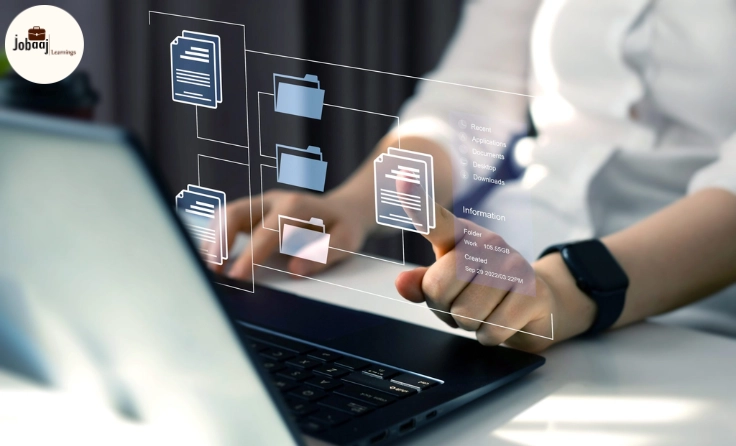
Picture this: You’re running an online store, and every day, you’re juggling hundreds of product documents, contracts, invoices, shipping details, and customer records. Each file needs to be organized, accessible, and secure—but somehow, things keep slipping through the cracks. One day, a customer calls about an issue, and you can’t find the order receipt fast enough. That’s when you realize: document control isn’t just a task—it’s the backbone of your business.
Exploring a career in Management Consulting? Apply Now!
In e-commerce, Document Control Management (DCM) is critical. It’s not just about keeping track of paperwork; it’s about streamlining operations, ensuring compliance, and enhancing efficiency. Let’s dive into what DCM means for e-commerce and how you can leverage it to scale your business effectively.
What is Document Control Management (DCM)?
Document Control Management (DCM) refers to the process of managing and organizing the flow of documents in an organization. This includes creating, storing, sharing, and archiving digital documents in a way that ensures compliance, accuracy, and easy access. In the context of e-commerce, DCM is essential for handling the vast number of digital documents that support daily operations—from invoices and purchase orders to customer contracts and inventory records.
DCM helps e-commerce businesses streamline their document workflows, ensure data integrity, and reduce errors, leading to a more efficient and transparent business model.
Why is DCM Critical in E-commerce?
-
Improves Operational Efficiency
With a centralized DCM system, employees can quickly access necessary documents without wasting time searching through scattered files or folders. Whether it's processing a customer order or managing inventory, quick access to the right documents ensures faster decision-making and smoother workflows. -
Ensures Compliance and Security
E-commerce businesses deal with sensitive customer information, financial records, and vendor agreements. DCM ensures that all documents are securely stored and comply with regulations like GDPR, HIPAA, and other privacy laws. By maintaining organized records, businesses reduce the risk of non-compliance and potential fines. -
Reduces Human Error
Manual document management is prone to errors—whether it’s misfiling a document or missing an important update. With DCM, automation plays a key role in reducing these mistakes. Automated workflows ensure that the right document gets to the right person at the right time, improving accuracy. -
Facilitates Collaboration
In e-commerce, teams are often spread out across various departments—sales, marketing, customer service, and logistics. DCM allows for seamless document sharing and collaboration, ensuring everyone has access to the latest information and updates, which is crucial for efficient teamwork. -
Scalability
As your e-commerce business grows, the volume of documents increases. A robust DCM system scales with your business needs, allowing you to manage thousands or even millions of documents without losing control. Whether you're expanding to new markets or launching new products, DCM helps you handle growth efficiently.
How to Implement an Effective DCM System in E-commerce
-
Centralize Document Storage
A cloud-based DCM system is ideal for e-commerce. It allows you to store documents in a centralized, digital repository that can be accessed from anywhere. Cloud solutions like Google Drive, Dropbox, or specialized DCM platforms help in keeping documents organized and secure. -
Set Clear Naming Conventions and Categories
One of the most important aspects of DCM is having a clear system for naming and categorizing documents. For example, invoices could be named by date or order number, and contracts could be categorized by vendor name or type of agreement. Standardizing this will save time and reduce confusion. -
Automate Document Workflows
Automating the movement of documents from one stage to the next can save valuable time. For example, an invoice could automatically be routed for approval once submitted, and a purchase order could automatically trigger a shipping request once approved. -
Implement Version Control
In e-commerce, documents often go through revisions. Version control ensures that only the latest version of a document is used, preventing confusion caused by outdated or incorrect information. Platforms with built-in version control capabilities allow you to track changes and ensure that your team is always working with the most up-to-date documents. -
Ensure Secure Access and Permissions
Not all employees or external parties should have access to every document. By setting specific access permissions based on roles or departments, you ensure that sensitive documents are only seen by authorized personnel. This helps with data security and minimizes the risk of leaks.
Best Practices for DCM in E-commerce
-
Document Categorization and Tagging
Tagging and categorizing documents effectively is essential for easy retrieval. Make sure that documents are tagged with relevant keywords and grouped by categories like orders, inventory, or customer details. -
Regular Backup and Archiving
Data loss can be disastrous for an e-commerce business. Regular backups and proper archiving strategies will ensure that no vital documents are lost. Archived documents should be easily retrievable in case of audits or future reference. -
Integration with Other Business Tools
Your DCM system should integrate seamlessly with other business tools such as accounting software, CRM systems, and inventory management platforms. This ensures smooth data flow between departments, making processes more efficient.
Conclusion
Document Control Management is not just about storing documents; it’s about managing the flow of information that keeps your e-commerce business running smoothly. By implementing an effective DCM system, e-commerce businesses can streamline operations, enhance collaboration, ensure compliance, and set themselves up for scalable growth. Whether you're a startup or a growing business, the right DCM system can be a game-changer. So, start organizing your documents today and take your e-commerce operations to the next level!
Dreaming of a Management Consulting Career? Start with Management Consulting Certificate with Jobaaj Learnings.
Frequently asked questions
What is Document Control Management (DCM)?
DCM refers to the system of managing and organizing digital documents in an efficient way. It helps businesses securely store, access, and share documents while ensuring compliance.
Why is DCM important in e-commerce?
DCM helps e-commerce businesses streamline operations, improve efficiency, ensure compliance, reduce errors, and facilitate collaboration, making it essential for business success.
How does DCM improve operational efficiency?
By centralizing document storage and automating workflows, DCM ensures quick and easy access to documents, reducing time spent searching for files and improving decision-making.
What are some DCM best practices for e-commerce businesses?
Best practices include categorizing and tagging documents, setting access permissions, backing up and archiving documents regularly, and integrating the DCM system with other business tools.
How can DCM help with compliance in e-commerce?
DCM ensures that documents are securely stored and easily accessible, helping businesses stay compliant with privacy regulations like GDPR and other industry standards.
What tools can I use for DCM in e-commerce?
Cloud-based tools like Google Drive, Dropbox, or dedicated DCM platforms such as M-Files or DocuSign can help manage documents efficiently in e-commerce businesses.

Join 5,00,000+ Subscribers
Be a part of our ever growing community.