Categories














/content/learnings/assets/header/ManagementConsulting.svg)
/content/learnings/assets/header/InvestmentBanking.svg)
























/content/learnings/assets/header/programs/1.png)
/content/learnings/assets/header/programs/4.png)

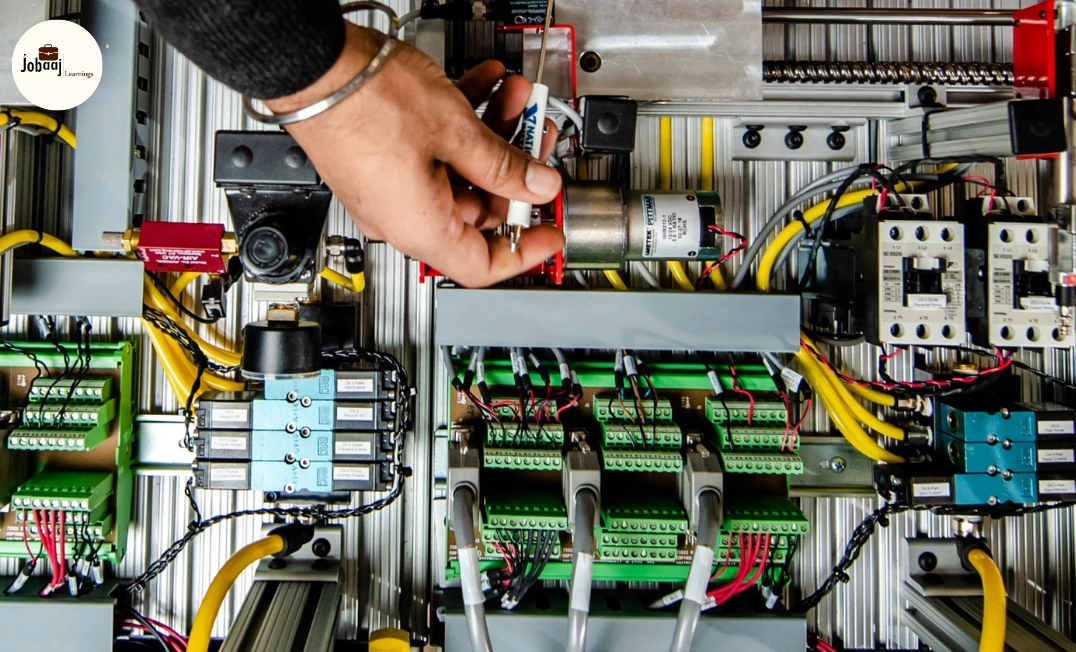
Electrical engineering remains one of the most important engineering fields because almost every major industry depends on electrical systems.
From power generation and renewable energy to electric vehicles, automation and semiconductor technology, electrical engineers continue to play a critical role.
However, salary in electrical engineering varies significantly.
A fresher working in a traditional electrical role may have a different earning potential compared to an engineer working in EV technology, automation, power electronics or semiconductor design.
The biggest factor affecting salary today is not only the engineering degree but also the specialisation, technical skills, industry and experience level.
Average Electrical Engineer Salary in India in 2026
The average salary of an electrical engineer in India depends on experience, company size, location and technical expertise.
A general salary range looks like:
|
Experience Level |
Average Annual Salary |
|
Fresher (0–1 year) |
₹3 lakh – ₹6 lakh |
|
Early Career (2–4 years) |
₹5 lakh – ₹10 lakh |
|
Mid-Level Engineer (5–8 years) |
₹10 lakh – ₹18 lakh |
|
Senior Engineer (8+ years) |
₹18 lakh – ₹35 lakh+ |
These numbers can vary widely depending on the industry.
An electrical engineer working in manufacturing may have a different salary trajectory compared to someone working in renewable energy, automation or advanced technology companies.
Electrical Engineer Salary Based on Experience
Fresher Electrical Engineer Salary
Fresh graduates usually start their careers in roles such as:
- Electrical Design Engineer
- Maintenance Engineer
- Graduate Engineer Trainee
- Testing Engineer
- Site Engineer
The starting salary generally ranges between:
₹3 lakh to ₹6 lakh per year
Freshers with knowledge of industry tools and practical projects may receive better opportunities.
Skills that can improve starting packages:
- AutoCAD Electrical
- MATLAB
- PLC basics
- Electrical simulation tools
- Internship experience
A degree provides the foundation, but practical skills often influence the first job offer.
Electrical Engineer Salary After 2–5 Years Experience
After gaining industry experience, engineers usually move into specialised roles.
Typical positions include:
- Electrical Design Engineer
- Power Systems Engineer
- Automation Engineer
- Control Systems Engineer
- Project Engineer
Average salary range:
₹6 lakh to ₹12 lakh per year
At this stage, engineers who develop specialised expertise usually see faster salary growth.
For example:
An engineer working only in maintenance may experience slower growth compared to someone moving into automation, EV systems or power electronics.
Electrical Engineer Salary After 5+ Years Experience
Experienced electrical engineers often move into senior technical or management roles.
Common positions include:
- Senior Electrical Engineer
- Lead Engineer
- Project Manager
- Electrical Consultant
- Engineering Manager
Salary range:
₹12 lakh to ₹25 lakh+ per year
Engineers with expertise in high-growth industries can earn significantly higher packages.
Highest Paying Electrical Engineering Roles in 2026
Not all electrical engineering jobs offer the same salary potential.
Some specialised areas are growing faster because industries are investing heavily in advanced technology.
1. Power Electronics Engineer
Power electronics is becoming extremely important because of:
- Electric vehicles
- Renewable energy systems
- Battery technology
- Smart power systems
Power electronics engineers design systems that control and convert electrical energy efficiently.
Salary range:
₹8 lakh – ₹25 lakh+ per year
Important skills:
- Power converters
- Semiconductor devices
- Motor drives
- Circuit design
2. Electric Vehicle Engineer
The growth of electric vehicles has created new opportunities for electrical engineers.
EV engineers work on:
- Battery management systems
- Charging technology
- Motor control
- Vehicle electronics
Salary range:
₹7 lakh – ₹20 lakh+ per year
Engineers with knowledge of electrical systems combined with software skills often have better opportunities.
3. Automation and Control Engineer
Industries are rapidly adopting automation.
Automation engineers design and manage intelligent industrial systems.
They work with:
- PLC systems
- Industrial robots
- Sensors
- Control systems
Salary range:
₹6 lakh – ₹18 lakh+ per year
Manufacturing companies, automotive companies and industrial technology firms hire automation engineers.
4. Renewable Energy Engineer
The shift towards clean energy is creating demand for electrical engineers.
Renewable energy engineers work on:
- Solar power systems
- Wind energy
- Energy storage
- Grid integration
Salary range:
₹5 lakh – ₹15 lakh+ per year
As countries increase renewable energy adoption, this field is expected to expand.
5. Semiconductor Engineer
The semiconductor industry is becoming strategically important worldwide.
Electrical engineers work in areas such as:
- Chip design
- Hardware development
- Electronics testing
Salary range:
₹8 lakh – ₹30 lakh+ per year
This field requires specialised knowledge of electronics, VLSI and semiconductor technology.
Factors That Decide Electrical Engineer Salary
Two electrical engineers with the same degree can earn very different salaries.
Several factors influence income growth.
1. Industry
Industry choice has a major impact on salary.
Higher-paying sectors often include:
- Semiconductor
- EV technology
- Automation
- Aerospace
- Renewable energy
- Technology companies
Traditional industries may offer stability but sometimes slower salary growth.
2. Technical Skills
Companies pay more for engineers who can solve complex problems.
High-value skills include:
- Power electronics
- PLC and SCADA
- MATLAB Simulink
- Embedded systems
- AutoCAD Electrical
- Electrical simulation
- Programming basics
Specialised skills usually create better career opportunities.
3. Location
Salary also depends on location.
Major technology and industrial hubs often offer higher packages because of increased demand.
Popular locations for electrical engineering jobs include:
- Bengaluru
- Hyderabad
- Pune
- Chennai
- Mumbai
- Delhi NCR
4. Company Type
Large companies generally provide better salary packages and benefits.
Electrical engineers work in:
- Manufacturing companies
- Energy companies
- Automotive companies
- Technology firms
- Government organisations
- Research institutions
Government vs Private Electrical Engineer Salary
Both sectors offer different advantages.
Government Sector
Advantages:
- Job stability
- Fixed salary structure
- Allowances
- Retirement benefits
Examples of employers:
- Power companies
- Railways
- Public sector organisations
Private Sector
Advantages:
- Faster salary growth
- More specialised opportunities
- Performance-based growth
Private companies in EV, automation and semiconductor industries often offer higher earning potential.
How Electrical Engineers Can Increase Their Salary
A degree alone may not be enough for strong salary growth.
Engineers can improve earning potential by:
Learning Modern Technologies
Electrical engineering is moving towards:
- Automation
- AI-based systems
- Renewable energy
- Smart grids
- Electric mobility
Building Practical Experience
Projects and internships help demonstrate real-world ability.
Examples:
- Solar energy projects
- EV battery systems
- Automation projects
- Embedded systems
Developing Software Skills
Basic programming knowledge can help electrical engineers work with modern systems.
Useful skills:
- Python
- MATLAB
- Embedded programming
- Data analysis
Future Salary Growth of Electrical Engineers
The future of electrical engineering looks strong because the world is becoming more dependent on electricity.
Growth areas include:
- Electric vehicles
- Renewable energy
- Smart grids
- Robotics
- Semiconductor technology
- Energy storage
Electrical engineers who adapt to these areas are likely to see stronger career growth compared to those who remain limited to traditional roles.
Conclusion
Electrical engineering continues to offer stable and rewarding career opportunities.
However, salary growth depends heavily on specialisation and skill development.
A traditional electrical engineer and a power electronics or EV engineer may have completely different career trajectories.
The engineers who combine electrical fundamentals with modern technologies will have the strongest earning potential in 2026 and beyond.
For students and professionals, the goal should not only be becoming an electrical engineer but becoming an electrical engineer with future-focused skills.
Frequently asked questions
What is the average salary of an electrical engineer in India?
The average electrical engineer salary in India ranges from around ₹3 lakh per year for freshers to ₹25 lakh or more for experienced professionals in specialised roles. Salary depends on experience, industry, location and technical skills.
Which electrical engineering field has the highest salary?
Fields such as semiconductor engineering, power electronics, electric vehicles and automation generally offer higher salary potential because of growing industry demand and the need for specialised technical skills.
How much does a fresher electrical engineer earn?
A fresher electrical engineer usually earns between ₹3 lakh and ₹6 lakh per year. Candidates with internships, software knowledge and practical project experience may receive better starting opportunities.
Can electrical engineers earn more than ₹20 lakh per year?
Yes, experienced electrical engineers can earn ₹20 lakh or more annually, especially in areas like EV technology, semiconductor design, automation, renewable energy and senior engineering roles.
Is electrical engineering a good career in 2026?
Yes, electrical engineering remains a strong career choice because industries such as renewable energy, electric vehicles, automation and advanced electronics are creating new opportunities for skilled engineers.

Join 5,00,000+ Subscribers
Be a part of our ever growing community.