Categories














/content/learnings/assets/header/ManagementConsulting.svg)
/content/learnings/assets/header/InvestmentBanking.svg)


























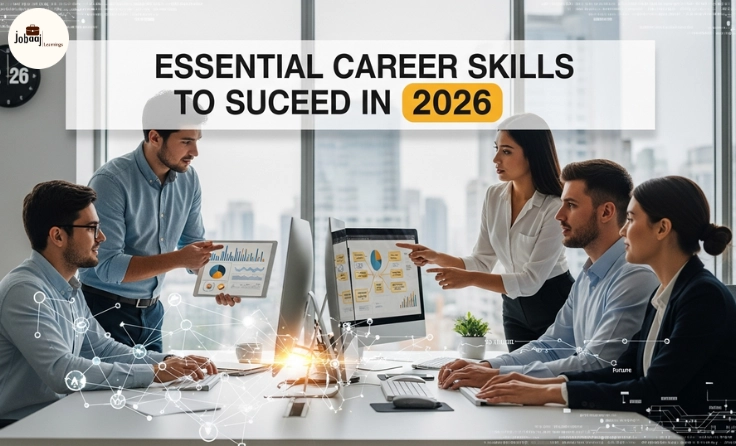
The job market in 2026 is a vastly different place from what it was just a few years ago. With the rise of AI, automation, and the global shift to remote work, careers are evolving faster than ever before. It’s no longer enough to simply have technical skills or a degree in your chosen field. The future of work demands that professionals be agile, tech-savvy, and constantly evolving.
In this post, we’ll explore the essential career skills for 2026. Whether you’re a recent graduate, a seasoned professional, or someone looking to pivot your career, these skills will help you stay competitive, relevant, and ahead of the curve in the coming years.
Digital Literacy and Technical Skills
As technology continues to dominate every industry, digital literacy has become one of the most important skills for professionals in 2026. But it’s not just about knowing how to use a computer or software. Digital literacy now includes understanding emerging technologies, knowing how to leverage them in your daily work, and staying updated on the latest trends.
-
Basic coding: In many industries, even basic knowledge of coding languages like Python, HTML, or CSS can give you a significant edge.
-
Data analysis: The ability to analyze and interpret data has become a valuable skill across virtually all sectors. Platforms like Excel, SQL, or data visualization tools like Power BI are essential.
-
Automation tools: Understanding automation tools like Zapier, Integromat, or Microsoft Power Automate can streamline repetitive tasks and increase efficiency.
In 2026, having a solid grasp of these technical tools will help you stay competitive in the workforce and make you more adaptable to the fast-paced technological changes in the workplace.
Adaptability and Agility
The world of work is changing at an unprecedented pace. In such a dynamic environment, the ability to adapt quickly to new situations is more important than ever. Adaptability allows you to thrive in the face of change, and agility means you can pivot when necessary, moving from one challenge to another without missing a beat.
Whether it’s shifting to remote work, learning new software, or adjusting to changing market conditions, being agile will make you an invaluable asset to any organization. Professionals who can quickly adapt to new situations are those who will excel in 2026.
Here’s how to build adaptability:
-
Stay open to learning: Keep an eye on emerging trends and take courses to stay ahead of the curve.
-
Embrace feedback: Regularly ask for feedback from peers and supervisors to ensure you’re on track.
-
Be proactive: When you see changes on the horizon, take the initiative to learn and grow before you’re required to.
Emotional Intelligence and Soft Skills
In a world where automation and AI are handling many technical tasks, human qualities like emotional intelligence are more important than ever. Soft skills such as communication, empathy, and teamwork are crucial for success in 2026. Emotional intelligence (EQ) refers to the ability to understand and manage your emotions, as well as the emotions of others.
Professionals with high emotional intelligence can:
-
Build stronger relationships: Whether it’s with colleagues, clients, or customers, EQ helps you connect with others on a deeper level.
-
Handle stress effectively: In high-pressure situations, emotional intelligence enables you to remain calm and make thoughtful decisions.
-
Collaborate well with teams: People with strong EQ are skilled at navigating group dynamics, resolving conflicts, and bringing out the best in others.
As workplaces become more collaborative, EQ will be a key differentiator for professionals aiming to lead teams and work effectively with others.
Creativity and Problem-Solving
In 2026, creativity is not just for artists or designers. Every industry needs creative thinkers—people who can solve problems in innovative ways. As automation handles repetitive tasks, creativity becomes the human touch that adds value to the work.
Problem-solving is closely tied to creativity. It’s about looking at challenges from new angles and finding solutions that others may not immediately see. Critical thinking, which involves analyzing situations, evaluating solutions, and making decisions based on evidence, is a skill that will be in high demand.
Here’s how to foster creativity and problem-solving:
-
Encourage curiosity: Never stop asking questions and exploring new ideas.
-
Collaborate with others: Sometimes, the best solutions come from brainstorming with a diverse group of people.
-
Experiment: Don’t be afraid to try new approaches, even if they seem unconventional at first.
Creative professionals who can think outside the box and solve complex problems will always be in demand.
Remote Work and Virtual Collaboration
With remote work becoming more common, virtual collaboration is a skill that every professional needs to master. In 2026, many companies will continue to operate with hybrid teams or fully remote workforces. Having the ability to collaborate seamlessly with colleagues, clients, and customers from anywhere in the world is critical.
Virtual collaboration involves:
-
Effective communication: Knowing how to communicate clearly through emails, video calls, and collaborative tools like Slack or Microsoft Teams.
-
Self-management: Being able to manage your time and tasks without constant oversight is essential for remote work.
-
Cultural competence: As remote teams are often global, understanding different cultures and working styles will help you collaborate more effectively with people from diverse backgrounds.
Mastering remote work tools and techniques will help you excel in a globalized, flexible workplace.
Data-Driven Decision Making
Data-driven decision-making has become a cornerstone of success in modern business. In 2026, businesses across all industries will rely on data to drive decisions—from marketing strategies to product development.
Being able to understand, interpret, and apply data will give you a competitive edge. Whether it’s customer insights, market trends, or operational efficiency, being able to analyze data and make informed decisions is a skill that will continue to grow in importance.
To build data-driven decision-making skills:
-
Learn to use data analytics tools: Tools like Google Analytics, Tableau, or Excel are a great place to start.
-
Understand the basics of statistics: Knowing how to interpret data and identify patterns will help you make better decisions.
-
Stay updated on data trends: As technology evolves, so do data collection and analysis methods. Make sure you’re learning about new developments in data science.
Networking and Personal Branding
In 2026, networking and personal branding are more than just buzzwords—they are essential to career success. Building a strong professional network and maintaining a positive personal brand can open up new opportunities, help you learn from others, and increase your visibility in your industry.
Networking isn’t just about attending events; it’s about building genuine relationships, whether through social media, industry groups, or informal meetups. Personal branding is about presenting yourself as an expert in your field through your online presence, including blogs, LinkedIn profiles, and social media content.
To strengthen your networking and branding:
-
Be active on LinkedIn: Share valuable content, engage with others, and highlight your accomplishments.
-
Attend industry events: Whether virtual or in-person, networking events are great for making connections.
-
Create content: Establish yourself as an authority by writing articles, sharing insights, or hosting webinars.
Conclusion
The skills you need to succeed in 2026 will be vastly different from those of the past. As technology and automation continue to reshape industries, the ability to adapt and develop soft skills like emotional intelligence, creativity, and communication will become crucial. Digital literacy, problem-solving, and data-driven decision-making will set professionals apart, while networking and personal branding will help you stand out in a crowded market.
Investing in these essential career skills today will ensure you’re prepared for the future of work. The more you embrace learning, adaptation, and self-improvement, the more likely you are to not only survive but thrive in the evolving job market.
Frequently asked questions
What are the most important skills to succeed in 2026?
Essential skills for 2026 include digital literacy, emotional intelligence, creativity, adaptability, data-driven decision-making, and strong communication skills, especially for remote work environments.
How can I improve my emotional intelligence for career success?
Improving emotional intelligence involves being more self-aware, managing your emotions, and developing better interpersonal relationships. You can practice mindfulness, active listening, and empathy to enhance your EQ.
Why is adaptability so important in 2026?
In 2026, the job market is constantly changing due to technology and globalization. Adaptability allows you to quickly adjust to new tools, work environments, and responsibilities, making you more valuable to employers.
What is personal branding, and how does it help my career?
Personal branding is the practice of showcasing your skills, experiences, and expertise to establish a strong professional presence. A strong personal brand can help you gain recognition, attract opportunities, and grow your network.
What tools can help me stay updated on career trends?
To stay updated, use platforms like LinkedIn, follow industry blogs, attend webinars, and take online courses. Tools like Google Trends and industry-specific reports also help you stay informed.
How can I make my career more data-driven?
Start learning data analytics tools like Google Analytics, Tableau, or Excel. Understand how to interpret data and apply it to decision-making in your career, whether in marketing, sales, or management roles.

Join 5,00,000+ Subscribers
Be a part of our ever growing community.