Categories








































Essential Cybersecurity Measures Every Small Business Should Implement

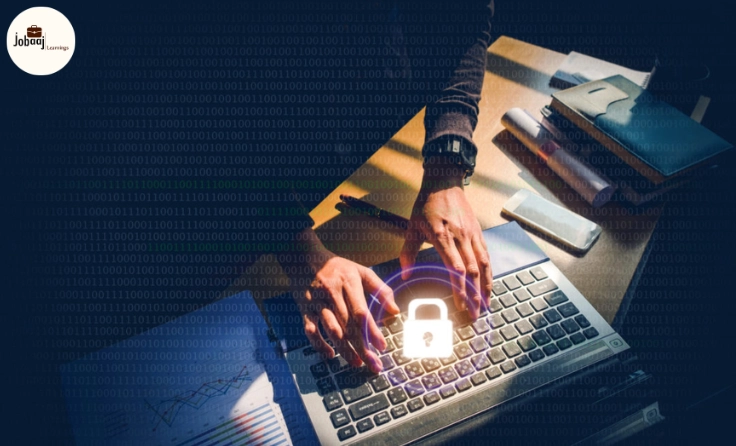
In today’s digital world, every business, no matter its size, faces the growing threat of cyberattacks. For small businesses, these threats can be even more dangerous, as they often lack the resources to implement strong cybersecurity measures. Cybercriminals see small businesses as easy targets, and without the right protections in place, these businesses risk losing customer trust, sensitive data, and even financial resources.
Exploring a career in Web Development? Apply now!
The good news is that protecting your business from cyber threats doesn't have to be expensive or complicated. With a few basic measures, you can significantly reduce the risk of a cyberattack. In this article, we’ll walk you through some essential cybersecurity measures that every small business should put in place to safeguard their data, their customers, and their reputation.
Secure Your Network with a Firewall
Your network is the gateway to your business's data. A firewall acts as a protective barrier between your internal network and the outside world, blocking unwanted traffic and preventing unauthorized access to your systems. It’s one of the simplest and most effective ways to secure your network from potential cyber threats.
Setting up a firewall is straightforward. Many modern firewalls come with user-friendly setups and pre-configured protection. You can also customize the firewall settings to suit your specific business needs. It’s important to monitor and update your firewall regularly to stay ahead of evolving threats.
Use Strong Passwords and Enable Multi-Factor Authentication
Passwords are one of the most common points of entry for cybercriminals. Using weak or easily guessable passwords can put your business at risk. To protect your data, it’s crucial to create strong, unique passwords for every account and device used in your business.
Here are some tips for better password security:
-
Use long and complex passwords that combine letters, numbers, and symbols.
-
Avoid using easily guessable information, like names or birthdates.
-
Make use of a password manager to keep track of your passwords.
In addition to strong passwords, multi-factor authentication (MFA) can add another layer of security. With MFA, you’ll need to verify your identity through more than just a password—like a code sent to your phone. This makes it much harder for hackers to gain access, even if they have your password.
Regularly Back Up Your Data
Data loss can be disastrous for any business. Cyberattacks like ransomware or accidental system failures can wipe out critical data in seconds. Regularly backing up your data ensures that, in the event of a cyberattack or disaster, you can recover quickly and continue business operations without losing everything.
You can back up your data in a few different ways:
-
Cloud storage services keep your files safe off-site, making it easier to recover them if needed.
-
External hard drives or network-attached storage devices can serve as a local backup.
Make sure to set up automated backups to avoid the risk of forgetting to do it manually. Also, test your backups regularly to ensure they’re working correctly.
Train Your Employees on Cybersecurity Best Practices
Your employees are your first line of defense when it comes to cybersecurity. However, even the most well-meaning employees can unknowingly fall for phishing scams or mishandle sensitive information. Training your team to recognize common cyber threats and implement security best practices is one of the most effective ways to protect your business.
Here’s what you can do:
-
Educate employees on how to identify phishing emails and suspicious links.
-
Train them on how to handle sensitive data securely.
-
Encourage them to report any unusual activities or potential threats immediately.
Regular cybersecurity training will help keep your team alert and prepared for any threats that come their way.
Keep Your Software and Systems Updated
Outdated software is one of the biggest security risks for small businesses. Cybercriminals are quick to exploit known vulnerabilities in older software, so it’s essential to keep your systems and software up to date.
Set your operating systems, software, and antivirus programs to update automatically. Regular updates ensure that your business is protected against the latest security threats. Don’t forget about your firewall and antivirus software either—these should also be updated to stay ahead of new cyber threats.
Install Antivirus and Anti-Malware Software
Antivirus and anti-malware software are crucial tools for protecting your business from malicious software that could harm your devices or steal sensitive data. These programs help detect and remove viruses, spyware, and other types of malware that could threaten your system.
Make sure to install antivirus and anti-malware software on every device used in your business, including computers, laptops, and mobile phones. Many antivirus programs offer real-time protection, meaning they’ll continuously monitor your devices for any signs of suspicious activity.
Set up automatic scans and make sure the software is updated regularly to protect against new malware strains.
Protect Your Wi-Fi Network
Your business’s Wi-Fi network is another potential entry point for cybercriminals. A poorly secured Wi-Fi network can allow hackers to access your internal systems and data. Securing your Wi-Fi is an easy step toward improving your overall cybersecurity.
To protect your Wi-Fi:
-
Change the default router settings, including the username and password, which are often easy to guess.
-
Enable WPA3 encryption, the most secure encryption method available.
-
Set up a separate Wi-Fi network for guests, so they don’t have access to your business’s internal network.
You should also regularly update your router’s firmware to protect against security vulnerabilities.
Limit Access to Sensitive Data
Not every employee needs access to all of your company’s data. By restricting access to sensitive information based on each person’s role, you can minimize the risk of a data breach or accidental leak.
Implement role-based access controls (RBAC) to ensure that employees only have access to the data they need to do their jobs. This reduces the likelihood of sensitive data being exposed or stolen. You should also review employee access permissions regularly to ensure that only authorized personnel have access to critical information.
Implement an Incident Response Plan
Despite all precautions, cyberattacks can still happen. That’s why it’s essential to have an incident response plan in place. An incident response plan outlines the steps your business will take if you experience a cyberattack or data breach.
Your plan should include:
-
How to detect and identify a breach.
-
Who to notify within your business, and when to contact external authorities.
-
Steps to contain the breach and prevent further damage.
-
A communication plan to inform customers, clients, or partners, if necessary.
Test your incident response plan regularly to ensure that your team knows exactly what to do in case of an attack.
Conclusion
Cybersecurity is an essential part of running a successful small business in today’s digital world. By implementing these basic but effective cybersecurity measures, you can significantly reduce the risk of cyberattacks and keep your business safe.
Remember, protecting your business doesn’t require a huge budget or advanced technical expertise. With the right tools and a proactive approach, you can safeguard your business from cyber threats and continue focusing on growth and success.
Dreaming of a Web Development Career? Start with Web Development Certificate with Jobaaj Learnings.
Frequently asked questions
What is cybersecurity for small businesses?
Cybersecurity for small businesses involves implementing measures to protect your business from cyberattacks and data breaches. It includes practices like securing your network, using strong passwords, training employees, and regularly backing up data.
Why is it important for small businesses to have cybersecurity measures in place?
Small businesses are often seen as easy targets by cybercriminals because they may lack robust cybersecurity defenses. Implementing cybersecurity measures helps protect sensitive data, maintain customer trust, and prevent financial losses caused by cyberattacks.
How can I secure my business network?
To secure your business network, you should install a firewall to block unauthorized access, use strong passwords and multi-factor authentication for all accounts, and regularly monitor and update your network security settings to stay ahead of potential threats.
What are the best practices for creating strong passwords?
Strong passwords should be long, complex, and unique for each account. Use a mix of uppercase and lowercase letters, numbers, and special characters. Avoid using personal information, like birthdays or names. Consider using a password manager to help manage and store passwords securely.
How often should I back up my business data?
Data should be backed up regularly—preferably daily or weekly. Automating the backup process ensures that you’re consistently protecting your data. Be sure to test your backups periodically to ensure they work correctly and can be restored when needed.
What is multi-factor authentication, and why should I use it?
Multi-factor authentication (MFA) adds an extra layer of security by requiring more than just a password to access an account. It typically involves a second factor, such as a code sent to your phone. MFA makes it harder for cybercriminals to access your accounts, even if they have your password.
How can I protect my business from phishing attacks?
Educate your employees about the dangers of phishing attacks. Encourage them to avoid clicking on suspicious links or downloading attachments from unknown sources. Use email filters to block potential phishing emails and regularly update your cybersecurity training to stay aware of new tactics.
What should I include in an incident response plan?
An incident response plan should outline steps for identifying and containing a cyberattack, notifying relevant authorities, and recovering from the incident. It should include clear communication protocols and assign roles and responsibilities to ensure a quick and effective response during a security breach.
Join 5,00,000+ Subscribers
Be a part of our ever growing community.