Categories














/content/learnings/assets/header/ManagementConsulting.svg)
/content/learnings/assets/header/InvestmentBanking.svg)



























/content/learnings/assets/header/programs/1.png)
/content/learnings/assets/header/programs/4.png)

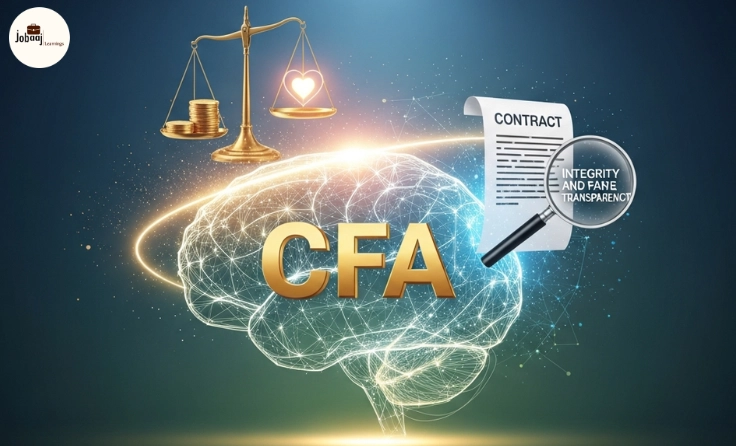
Let’s take a step back for a moment. Imagine you’re a financial analyst, trusted with managing significant sums of money for clients. Every decision you make could have a lasting impact, from the portfolios you design to the investment choices you recommend. Now, imagine if your actions were driven by personal gain or a lack of transparency. That’s where ethics comes into play. Ethics in finance is not just about doing the right thing—it’s about building trust, credibility, and ensuring the integrity of the financial system.
When it comes to the Chartered Financial Analyst (CFA) designation, the importance of ethics cannot be overstated. As a CFA charterholder or candidate, you are held to high standards of professional conduct, and your ethical behavior shapes not only your career but also the reputation of the financial industry at large.
In this blog, we’ll dive into why ethics in the CFA program is more important than ever, the role it plays in maintaining trust in financial markets, and why you must understand and embrace ethical standards in your professional journey.
What is Ethics in CFA and Why Does it Matter?
Ethics is at the heart of the CFA program. In fact, the first thing that CFA candidates learn about is the Code of Ethics and Standards of Professional Conduct, which is the foundation of the CFA Institute’s ethical framework.
The Code of Ethics is a set of principles that guide CFA professionals to act with integrity, professionalism, and respect for the rights of others. The Standards of Professional Conduct outline the specific behaviors expected from CFA charterholders in their professional work.
But why does all this matter? Ethics in the CFA program isn’t just a checklist to follow—it’s about creating a culture of trust and responsibility. When investors and clients feel confident that their financial advisor is acting ethically, they are more likely to invest, trust, and remain loyal. Conversely, ethical lapses can lead to loss of credibility, legal consequences, and damage to reputations that can take years to rebuild.
The Role of Ethics in Financial Decision Making
In finance, decisions are not made in a vacuum. Every investment recommendation, trading decision, or portfolio construction is made with real money on the line—money that belongs to someone else. This means every action has consequences. As a CFA charterholder, you’re not just accountable to your clients; you’re also accountable to the wider financial system. Here’s why ethics in finance is critical:
-
Trust: Financial markets operate on trust. If investors and clients don’t trust financial professionals to act in their best interest, the system breaks down. Ethical behavior ensures that clients’ interests are put first, and that decisions are made transparently and responsibly.
-
Avoiding Conflicts of Interest: One of the most significant ethical challenges in finance is the potential for conflicts of interest. Imagine a situation where a financial advisor recommends an investment that benefits them personally, but not their client. Ethical standards in the CFA program help professionals navigate and avoid these situations, ensuring that they act in the best interest of their clients at all times.
-
Accountability: Ethical behavior also promotes accountability. CFA charterholders are expected to disclose any conflicts of interest, report any wrongdoings, and adhere to the highest standards of honesty. This ensures that the financial industry remains transparent and accountable to its clients and the public.
The CFA Code of Ethics and Standards of Professional Conduct
To understand the importance of ethics in the CFA program, let’s take a closer look at the CFA Code of Ethics and Standards of Professional Conduct. Here’s a breakdown of the key principles:
-
Integrity of Capital Markets
As a CFA charterholder, you are expected to act with integrity, making sure that the capital markets remain fair and transparent. This means that any action that could manipulate or distort the market—whether it’s insider trading or misleading financial statements—is considered unethical.
-
Objectivity
CFA professionals must make decisions based on facts and data, free from bias or personal interests. This ensures that every investment recommendation, analysis, and report is based on sound, objective reasoning.
-
Professional Competence
To uphold high ethical standards, CFA charterholders are expected to continuously improve their knowledge and skills. The world of finance is constantly evolving, and staying competent ensures that professionals remain effective and ethical in their work.
-
Confidentiality
As a financial professional, you’ll have access to sensitive information about clients, markets, and companies. The CFA Code of Ethics demands that you respect the confidentiality of that information, ensuring it’s only used for its intended purpose.
-
Fairness
This principle emphasizes treating all clients and stakeholders fairly and equally. It’s not just about offering the best advice—it’s about ensuring that every decision and recommendation is fair and impartial.
-
Diligence and Reasonable Basis
CFA professionals are expected to exercise diligence and thoroughness in their work. This means doing proper research, gathering all necessary information, and making sure that every recommendation is based on a solid and reasonable foundation.
Why Ethics in CFA Matters to Your Career
As a CFA candidate or charterholder, understanding the ethical framework isn’t just about passing exams—it’s about positioning yourself for long-term career success. Here’s why ethics in the CFA program is essential for your career:
-
Credibility and Reputation
In finance, your reputation is everything. Acting ethically helps you build a reputation as a trustworthy, professional, and competent financial expert. A strong reputation opens doors to new opportunities, whether it’s landing your dream job or earning the trust of clients.
-
Career Advancement
Ethics aren’t just about following rules—they’re about doing what’s right, even when no one is watching. When you consistently demonstrate ethical behavior, you build credibility within your organization and industry. This can lead to career advancement, promotions, and recognition from peers and leaders in the field.
-
Client Relationships
Ethical behavior strengthens client relationships. When clients trust you, they are more likely to remain loyal, refer others to you, and engage in long-term relationships. Acting ethically creates a foundation for building lasting relationships that benefit both you and your clients.
-
Industry Impact
CFA professionals have a unique role in shaping the financial industry. By adhering to ethical standards, you’re contributing to a more transparent, trustworthy, and responsible financial system. This, in turn, helps elevate the industry and encourages more professionals to act with integrity.
Conclusion
In the fast-paced and competitive world of finance, it can be tempting to cut corners or prioritize personal gain over professional integrity. However, the importance of ethics in the CFA program cannot be overstated. Acting ethically is not only the right thing to do—it’s what sets you apart as a professional.
By adhering to the CFA Code of Ethics and Standards of Professional Conduct, you build credibility, strengthen client relationships, and contribute to a more trustworthy and transparent financial system. Ethics are the foundation of your career success, ensuring that you rise to the top and remain there, trusted and respected by your clients, colleagues, and the broader industry.
As you progress in the CFA program, always remember that your ethical behavior matters. It’s not just about passing exams; it’s about doing what’s right for your clients, your career, and the financial industry as a whole. Embrace ethics, and you’ll set yourself up for success in more ways than one.
Frequently asked questions
What is the CFA Code of Ethics?
The CFA Code of Ethics is a set of principles designed to ensure that financial professionals act with integrity, objectivity, fairness, and professionalism in their work. It is the foundation of ethical behavior for CFA charterholders.
Why is ethics important in the CFA program?
Ethics is critical in the CFA program because it ensures that professionals make decisions in the best interest of their clients, maintain trust in the financial system, and contribute to the overall integrity of the industry.
What are the CFA Standards of Professional Conduct?
The CFA Standards of Professional Conduct outline specific ethical behaviors expected from CFA charterholders. They cover areas like integrity, fairness, confidentiality, and diligence in professional work.
How does ethics impact my CFA career?
Adhering to ethical standards is key to building a strong reputation, fostering long-term client relationships, and advancing your career in finance. Ethical behavior enhances trust and credibility, leading to professional success.
Can ethics be taught in the CFA program?
Yes, the CFA program emphasizes ethics from the very beginning. The CFA Code of Ethics and Standards of Professional Conduct are integral to the curriculum, ensuring that all candidates understand the importance of ethical behavior in finance.
How can I apply CFA ethics to my daily work?
By focusing on integrity, fairness, transparency, and responsibility in every decision, you apply the principles of CFA ethics to your daily work. Always prioritize your clients’ interests and maintain professional conduct in all dealings.

Join 5,00,000+ Subscribers
Be a part of our ever growing community.