Categories








































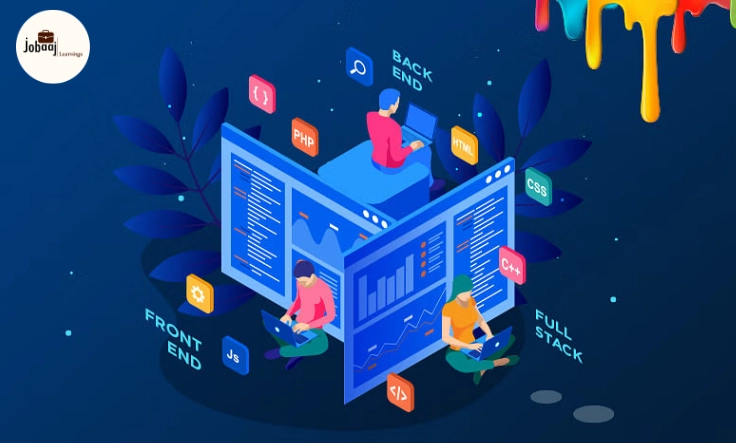
As someone stepping into the world of web development, you might feel a little lost at first. There’s a lot to explore, and deciding where to begin can feel like standing at the edge of a cliff, unsure of which path to take. Frontend, backend, and full stack are the three major areas you’ll hear about often, and understanding the differences between them is the first step toward deciding which one to focus on.
Exploring a career in Web Development? Apply now!
But what do these terms really mean, and how do you know which one to choose? Should you go all in with frontend development and master the art of designing sleek, user-friendly interfaces? Or does the idea of building complex, powerful systems from the ground up in backend development excite you? Or maybe, like many others, you’re interested in full stack development, where you can do a little bit of everything?
The truth is, there’s no one-size-fits-all answer. Everyone’s journey into web development is unique, but understanding what each area involves can help you make an informed decision. So, if you're ready to take your first steps into this dynamic world, let’s dive in and explore what each of these paths has to offer and help you figure out which one might be right for you.
What is Frontend Development?
When we talk about frontend development, we’re referring to the part of the website or web application that users actually see and interact with. It’s all about user experience and design. Think of frontend as the face of the application—what the user interacts with directly.
Imagine you’re visiting a website, browsing through a blog, or adding products to your online shopping cart. The layout, colors, fonts, buttons, and even the responsiveness of the website—how well it adjusts across devices like smartphones, tablets, and desktops—are all shaped by frontend development.
The Technologies Behind Frontend:
-
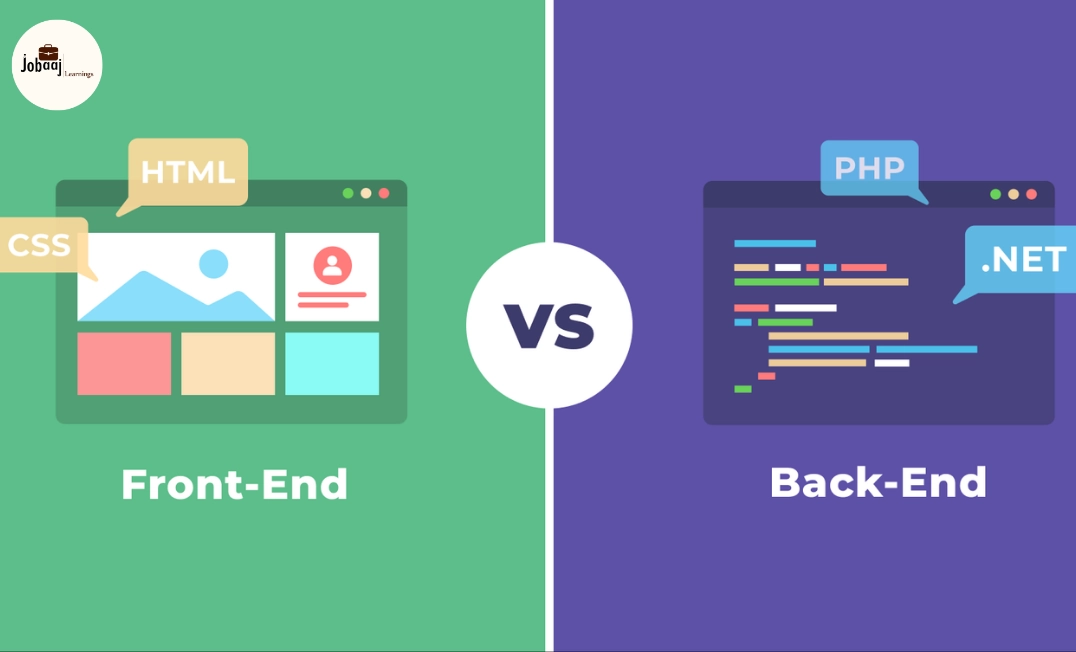
HTML (HyperText Markup Language) is the skeleton of the page. It structures the content and lays out everything, like text, images, and links.
-
CSS (Cascading Style Sheets) is the stylist of the page. It controls the design, from colors and fonts to the layout and positioning of the elements.
-
JavaScript adds interactivity to the page. Without JavaScript, websites would be static. Think animations, pop-ups, form validations—JavaScript makes all that possible.
Why Should You Learn Frontend First?
If you’re someone who loves design or has an eye for aesthetics, frontend development might be your natural starting point. It’s like the creative part of web development, where you can see the impact of your work immediately. From the first line of HTML to the final tweaks in CSS, frontend development allows you to craft visually appealing and user-friendly websites. Plus, it’s incredibly satisfying to watch your design come to life right before your eyes, especially when your code runs perfectly.
Frontend also serves as a good entry point because it’s very beginner-friendly. You don’t need a ton of complex concepts to get started—just HTML, CSS, and JavaScript are enough to begin building basic websites. As you grow, you can add frameworks like React, Vue, or Angular to create more complex and scalable projects.
What is Backend Development?
If frontend development is all about what the user sees, backend development is about everything that happens behind the scenes. It’s like the engine of a car—essential, but not visible to the user. Backend developers focus on building and maintaining the server-side, the databases, and the logic that powers the app or website.
When you submit a form on a website, purchase an item online, or log into a service, it’s the backend that processes your request, manages the data, and sends a response back to the frontend.
The Technologies Behind Backend:
-
Server-side languages like Node.js, Python, Java, and Ruby are used to build the logic of the application. These languages allow developers to write the code that runs on the server.
-
Databases such as MySQL, PostgreSQL, and MongoDB are used to store data. They handle everything from user accounts to inventory, ensuring data is securely stored and easily accessible.
-
APIs (Application Programming Interfaces) are used to allow the frontend and backend to communicate. APIs make it possible for data to flow back and forth between the server and the client (the user’s browser).
Why Should You Learn Backend Development?
If you enjoy problem-solving, logic-based thinking, and the thrill of building systems that power websites, backend development could be the perfect fit. It allows you to create complex systems that process data, handle business logic, and run seamlessly in the background. While frontend development lets you craft what users see, backend development is about creating the systems that drive the experience.
Backend development is also perfect for those who are passionate about data and efficiency. You’ll work with databases, optimize performance, and ensure that your system is scalable and secure. It might not offer the instant visual feedback that frontend development does, but the sense of accomplishment when your backend runs smoothly is immense.
What is Full Stack Development?
Full stack development is the combination of both frontend and backend development. Full stack developers are versatile—they’re capable of handling both the user-facing side (frontend) and the behind-the-scenes systems (backend). In short, they’re jacks of all trades, equipped to build a fully functional web application from start to finish.
Why Learn Full Stack?
Learning full stack development offers flexibility and the opportunity to work on all aspects of a project. If you enjoy the idea of seeing the bigger picture, being able to handle both the design and functionality of a website, full stack development might be the path for you.
Full stack developers are in high demand because they can take ownership of an entire project, from front to back. Many small startups and companies prefer to hire full stack developers who can manage the whole lifecycle of an application. This versatility means that you’re not just a specialist in one area—you’re a well-rounded developer who can adapt to different needs and challenges.
Which One Should You Learn First?
The decision of where to start depends largely on your interests and career goals. Here’s a quick guide to help you decide:
1. If You Love Creativity and Design:
-
Start with Frontend Development. It’s perfect for those who enjoy crafting beautiful, engaging user interfaces and working with design. You’ll see immediate results from your work and can easily experiment with different designs.
2. If You Love Problem Solving and Building Systems:
-
Start with Backend Development. If you love working with data, databases, and creating the logic behind a website or app, backend development will provide the challenge and satisfaction you’re looking for.
3. If You Want to Be a Well-Rounded Developer:
-
Go Full Stack. If you're not sure where to start and love the idea of working across all layers of a web application, full stack development gives you the flexibility to do both frontend and backend work. It also opens up more job opportunities, as full stack developers can handle a variety of tasks.
Conclusion
Deciding where to start in web development can be a big decision, but remember that it’s not set in stone. You don’t have to choose one path and stick to it forever. Many developers start with one area and gradually expand their skills. You could begin with frontend development, then explore backend, or dive into full stack development right away.
The key is to keep learning and stay curious. Whether you go down the frontend, backend, or full stack route, each area offers valuable opportunities and allows you to create impactful web experiences. By understanding the basics of web development and focusing on what excites you most, you’ll be well on your way to becoming a skilled and confident web developer in 2025 and beyond.
Dreaming of a Web Development Career? Start with Web Development Certificate with Jobaaj Learnings.
Frequently asked questions
What is frontend development?
Frontend development is the process of building the part of a website that users interact with directly. It involves designing and creating the layout, design, and interactivity of the site.
What is backend development?
Backend development focuses on the server-side of an application, handling databases, server logic, and APIs that allow frontend elements to function properly.
What is full stack development?
Full stack development involves both frontend and backend development. Full stack developers can manage both the user-facing and server-side aspects of a web application.
What should I learn first: frontend, backend, or full stack?
If you enjoy design and creativity, start with frontend development. If you like problem-solving and working with data, backend development is a good choice. Full stack is ideal if you want to be versatile and work on both ends of a web application.
Can I transition between frontend, backend, and full stack?
Absolutely! Many developers start with one area and gradually learn the others. You can always expand your skillset as you grow in your career.
How long does it take to learn web development?
It varies depending on your dedication and the resources available, but most people can learn the basics within a few months. It’s an ongoing learning process, so consistency is key!

Join 5,00,000+ Subscribers
Be a part of our ever growing community.