Categories








































When you first start learning web development, you often begin with HTML, CSS, and JavaScript, mastering the front-end of web applications. However, as you grow as a developer, you realize that true mastery lies in understanding how both the front-end and the back-end work together seamlessly. This is the essence of full-stack development. The ability to handle both sides of a web application—creating the user interface and ensuring everything runs smoothly behind the scenes—is what sets a full-stack developer apart.
Exploring a career in Web Development? Apply now!
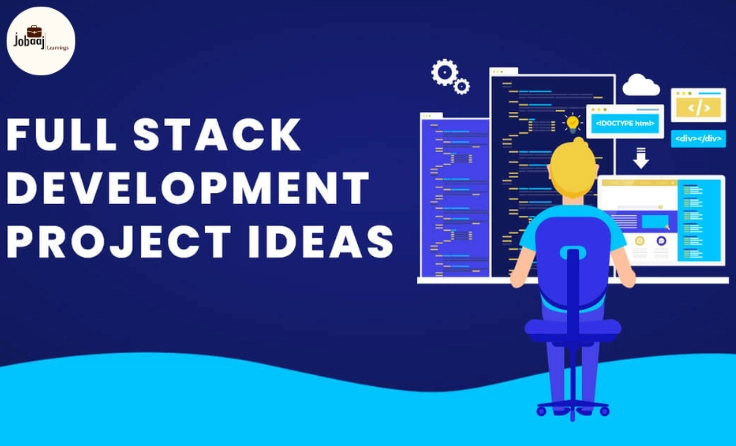
For anyone looking to break into full-stack web development, it’s essential to not only understand the core technologies but also to practice building applications that mirror real-world problems. This blog explores several full-stack web development projects that will help you sharpen your skills and build a portfolio that highlights your versatility as a developer.
1. Personal Portfolio Website
A personal portfolio website is a great first project for any aspiring full-stack developer. It serves as both a practical project and a tool to showcase your skills. Through this project, you will apply everything you’ve learned about front-end design, back-end integration, and databases.
The portfolio website should include essential features like an interactive resume, project showcase, and contact form. You can incorporate a back-end to handle form submissions and store your project data.
By creating a portfolio that’s easy to update and visually appealing, you'll not only practice your technical skills but also have a platform to display your growing list of projects.
2. E-Commerce Website
Building an e-commerce website takes full-stack web development to the next level. This project involves not just building a visually engaging front-end but also setting up the back-end to handle important functions like product management, user authentication, and payment processing.
A basic e-commerce website includes features like:
-
User authentication for login and registration
-
Product listing pages with sorting and filtering
-
Shopping cart functionality and checkout process
-
Database management for storing product information and user data
This project will help you get comfortable with integrating front-end technologies like React or Vue.js, back-end technologies such as Node.js or Django, and databases like MongoDB or MySQL.
3. Blogging Platform
A blogging platform is an ideal full-stack project for learning how to manage user-generated content and create dynamic, database-driven applications. You will work on both the front-end to display blog posts and the back-end to store and retrieve blog entries, comments, and user data.
Key features to implement in a blogging platform include:
-
User authentication for posting and commenting
-
CRUD (Create, Read, Update, Delete) functionality for blog posts
-
Database integration for storing posts, user profiles, and comments
-
Admin interface for managing posts and users
By building a platform where users can create, edit, and comment on posts, you’ll gain essential skills in database management, routing, and rendering dynamic content.
4. Task Management Application
Building a task management application can be a simple yet powerful project to practice both your front-end and back-end skills. This type of app requires creating tasks, assigning priorities, setting deadlines, and providing ways for users to mark tasks as complete.
Features might include:
-
Creating and updating tasks
-
Setting deadlines and managing priorities
-
User authentication and profile management
-
Storing tasks and user data in a database
You can add a drag-and-drop interface or integrate notifications for reminders. This project will help you practice managing state and data flow and interacting with databases.
5. Social Media Platform
A social media platform is one of the most complex projects a full-stack developer can tackle. The project will involve user authentication, real-time features like messaging or notifications, and handling multimedia content.
Key features you can implement include:
-
User registration, login, and profile management
-
Real-time updates for messaging or live feeds
-
Image and video uploading
-
Post creation, likes, comments, and shares
This project will teach you how to handle real-time data, optimize performance for multiple users, and integrate advanced features like file uploads and multimedia content. It’s a comprehensive project that mimics the complexity of platforms like Facebook, Twitter, or Instagram.
Conclusion: Continuously Building and Evolving Your Full-Stack Skills
As a full-stack developer, your ability to build both front-end and back-end applications is invaluable. The projects highlighted in this blog are designed to give you practical experience that mirrors real-world applications. By working on these full-stack web development projects, you’ll deepen your understanding of both the user-facing side of the application and the server-side processes that make it all work seamlessly.
The more projects you complete, the more you’ll learn to handle the complexities of full-stack development. Keep building, keep experimenting, and soon you’ll have a portfolio full of impressive applications that show off your skills. With this hands-on experience, you’ll be well on your way to mastering full-stack development and setting yourself up for success in the competitive tech industry.
Dreaming of a Web Development Career? Start with Web Development Certificate with Jobaaj Learnings.
Frequently asked questions
What is full-stack web development?
Full-stack web development involves creating both the **front-end** (user-facing side) and **back-end** (server-side and database) of a web application. It requires knowledge of technologies like HTML, CSS, JavaScript, and databases, along with back-end frameworks like Node.js or Django.
How do I start learning full-stack web development?
Begin by learning the basics of HTML, CSS, and JavaScript for front-end development. Then move on to back-end technologies such as Node.js, Express, and databases. Building real-world projects is key to gaining hands-on experience.
What are some good projects for full-stack beginners?
Start with simpler projects like a **personal portfolio**, a **task manager**, or a **basic blogging platform**. These will help you practice key concepts like database management, routing, and creating dynamic user interfaces.
Why is a full-stack developer important?
Full-stack developers are highly valuable because they can work on both the front-end and back-end of an application. This skill set allows for more flexibility and the ability to manage entire projects from start to finish.
What technologies should a full-stack developer know?
A full-stack developer should be proficient in **front-end technologies** like HTML, CSS, JavaScript, and frameworks like **React** or **Vue.js**. They should also understand **back-end technologies** such as Node.js, Express, Python, or Django and be comfortable working with **databases** like MySQL, MongoDB, or PostgreSQL.
How can I build a full-stack web development portfolio?
Start by working on projects like a **task manager**, **e-commerce website**, or **blogging platform**. Publish these projects on **GitHub**, and create a personal website to showcase your work. Make sure your portfolio includes a range of projects that demonstrate your versatility as a developer.

Join 5,00,000+ Subscribers
Be a part of our ever growing community.