Categories














/content/learnings/assets/header/ManagementConsulting.svg)
/content/learnings/assets/header/InvestmentBanking.svg)


























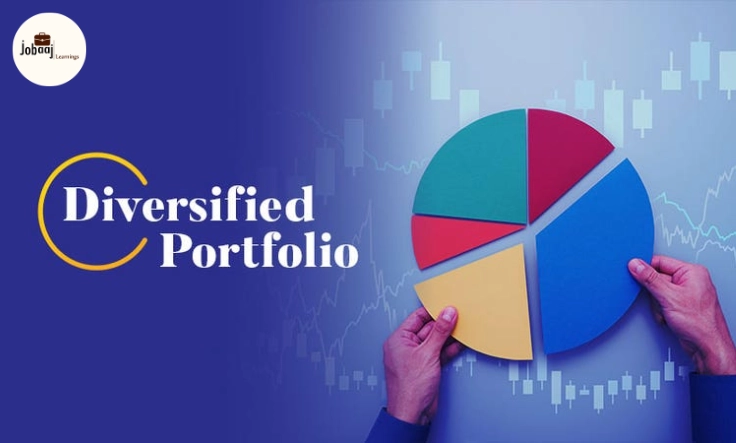
Building a diversified portfolio is a fundamental strategy for any investor aiming for long-term financial growth. By spreading investments across various asset classes, you minimize the risks associated with market volatility and improve your chances of achieving consistent returns. In this blog, we will explore the key aspects of building a diversified portfolio, ensuring you understand the necessary steps to secure your financial future.
What is Portfolio Diversification?
Portfolio diversification involves spreading your investments across different types of assets—such as stocks, bonds, real estate, and commodities—so that if one investment performs poorly, others may perform better. This strategy reduces the risk of significant loss by balancing risk and reward. A diversified portfolio is like a well-balanced meal, ensuring that no one asset class overpowers the others.
Why is Diversification Important?
The primary benefit of diversification is risk reduction. Without diversification, a downturn in one sector (like tech stocks) could wipe out a large portion of your portfolio. Diversifying allows you to spread risk across different assets, making your overall portfolio more resilient to market swings. It also gives you exposure to various growth opportunities.
Key Asset Classes for Diversification
-
Stocks: Stocks represent ownership in a company. While they offer high returns, they come with higher risk. Investing in a mix of large-cap, mid-cap, and small-cap stocks from various sectors can balance risk.
-
Bonds: Bonds are debt securities issued by governments or corporations. They tend to be less volatile than stocks and provide steady income through interest payments, making them a great counterbalance to equities.
-
Real Estate: Real estate investments, whether directly through properties or indirectly via real estate investment trusts (REITs), offer long-term capital appreciation and diversification benefits. They are also an excellent hedge against inflation.
-
Commodities: Commodities like gold, oil, and agricultural products can add value to your portfolio by providing a hedge against inflation and market volatility. Gold, in particular, is often seen as a safe haven during times of economic uncertainty.
-
Cash & Cash Equivalents: Keeping a portion of your portfolio in cash or short-term investments, like money market funds or certificates of deposit (CDs), helps maintain liquidity and reduces overall risk.
How to Balance Risk and Reward
Balancing risk and reward is at the core of portfolio diversification. A younger investor with a long time horizon might choose to invest more heavily in stocks, which can offer higher returns but also come with higher risk. On the other hand, an older investor might lean towards bonds or cash equivalents, prioritizing stability and income over growth.
Understanding Correlation and Asset Allocation
Diversification isn’t just about owning a variety of asset types; it’s also about understanding the correlation between them. Some assets, like stocks and bonds, tend to move in opposite directions. During a market downturn, bonds might perform well when stocks decline. Allocating your investments based on asset correlation helps to protect your portfolio during unpredictable market cycles.
Rebalancing Your Portfolio
Over time, your portfolio may become unbalanced due to market fluctuations. For example, your stock investments may grow significantly, making your portfolio riskier than intended. Rebalancing involves periodically adjusting your asset allocation to maintain your desired risk level. You can do this by selling overperforming assets and buying underperforming ones.
Common Mistakes to Avoid
-
Overconcentration: Putting too much money into a single asset or sector is risky. Ensure you have exposure to a broad range of investments.
-
Ignoring Market Trends: While diversification is key, it's also important to stay informed about market conditions and adjust your strategy as needed.
-
Not Rebalancing Regularly: Neglecting to rebalance your portfolio can lead to an unintentional increase in risk.
Conclusion
Building a diversified portfolio is a critical step towards long-term financial security. By spreading your investments across various asset classes, balancing risk, and staying informed about market trends, you can increase your chances of achieving steady growth and minimizing losses. Diversification is not a one-size-fits-all strategy, but with careful planning, it can help you weather any financial storm.
Learn Option Trading from Scratch
Master strategies and boost your trading skills in just hours.
Start Now
Frequently asked questions
What is portfolio diversification?
Portfolio diversification involves spreading your investments across different asset classes (stocks, bonds, real estate, etc.) to reduce risk. It doesn't guarantee profits, but it lowers the impact of losses in any single investment.
Why is diversification important for long-term investing?
Long-term investing requires managing risk. Diversification helps protect against market downturns in any one sector. By spreading investments, you improve your chances of consistent, long-term growth.
What are the best asset classes for diversification?
Common asset classes include stocks (equities), bonds (fixed income), real estate, and sometimes alternative investments like commodities or precious metals. The ideal mix depends on your risk tolerance and financial goals.
How can I determine the right asset allocation for my portfolio?
Your asset allocation should align with your risk tolerance, time horizon, and financial goals. Consider consulting a financial advisor to create a personalized strategy. Younger investors can generally tolerate more risk.
What are the benefits of a well-diversified portfolio?
A well-diversified portfolio reduces risk, potentially increasing your long-term returns while mitigating losses. It helps you achieve financial stability and reach your long-term financial objectives.

Join 5,00,000+ Subscribers
Be a part of our ever growing community.